What to Look for When Buying a Horse
The half hour before anyone gets on.
What experienced buyers watch for: in the field, in the stable, in the way a horse is presented.
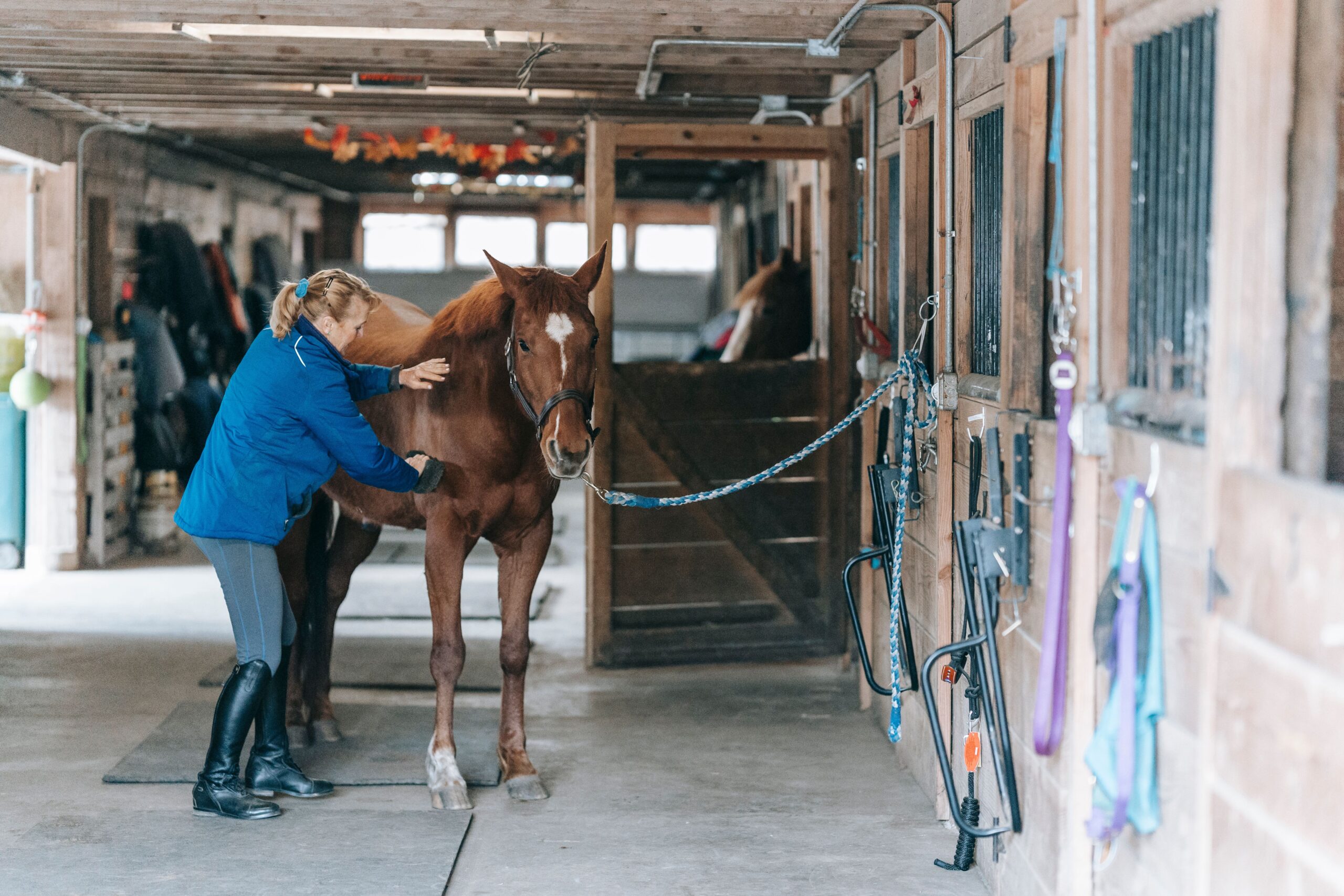
Try to see the horse before it’s tacked up. Watch how it behaves when caught, handled and prepared.
That half hour is harder for anyone to stage than the ridden session that follows.
Before the tack goes on
Most buyers watch the horse ridden and treat everything before that as small talk. That’s backwards. The ridden picture is what the seller has practised most. The half hour before it, catching, leading, tying, tacking, is far harder to stage, and it is where the real information lives.
Ask to be there when it is caught. A horse that walks up, leads on a loose rope, ties quietly and picks up its feet without fuss is telling you about its daily handling. One that has to be cornered, barges the gate or snatches its feet away is telling you just as much, and none of it shows up in a tidy schooling session.
Notice whether the horse is genuinely “cold.” If it is already tacked up and sweating when you arrive, or penned by the arena, it may have been lunged or ridden down first. That is not automatically dishonest, plenty of sellers take the edge off a fresh horse, but you want to know, because you will ride it cold at home. Arrive early, or ask for it to come straight from the field.
Ask the seller to ride first. You will see the horse go for someone who knows it before you trust it yourself, and you will learn from their choices: an enclosed school or an open field, a snaffle or something stronger, a neck strap, a quiet seat or plenty of leg. None of it is a red flag alone. All of it is information.
- ✓ Caught easily in the field, leads on a loose rope
- ✓ Stands tied without pulling back or fidgeting
- ✓ Feet picked out calmly, all four
- ✓ Accepts the girth and bridle without defensiveness
- ✓ Not already warmed up when you arrive
- ✓ Seller rides it before you do
Conformation & build: what actually matters
Conformation matters, but not every fault carries equal weight, and buyers often worry about the wrong ones. A plain head, a long but well-muscled back, a bit of white on the legs: these change nothing about a leisure horse’s soundness. They just get discussed because they are easy to see.
You are buying four feet and the legs above them. Almost everything expensive about ownership starts there.
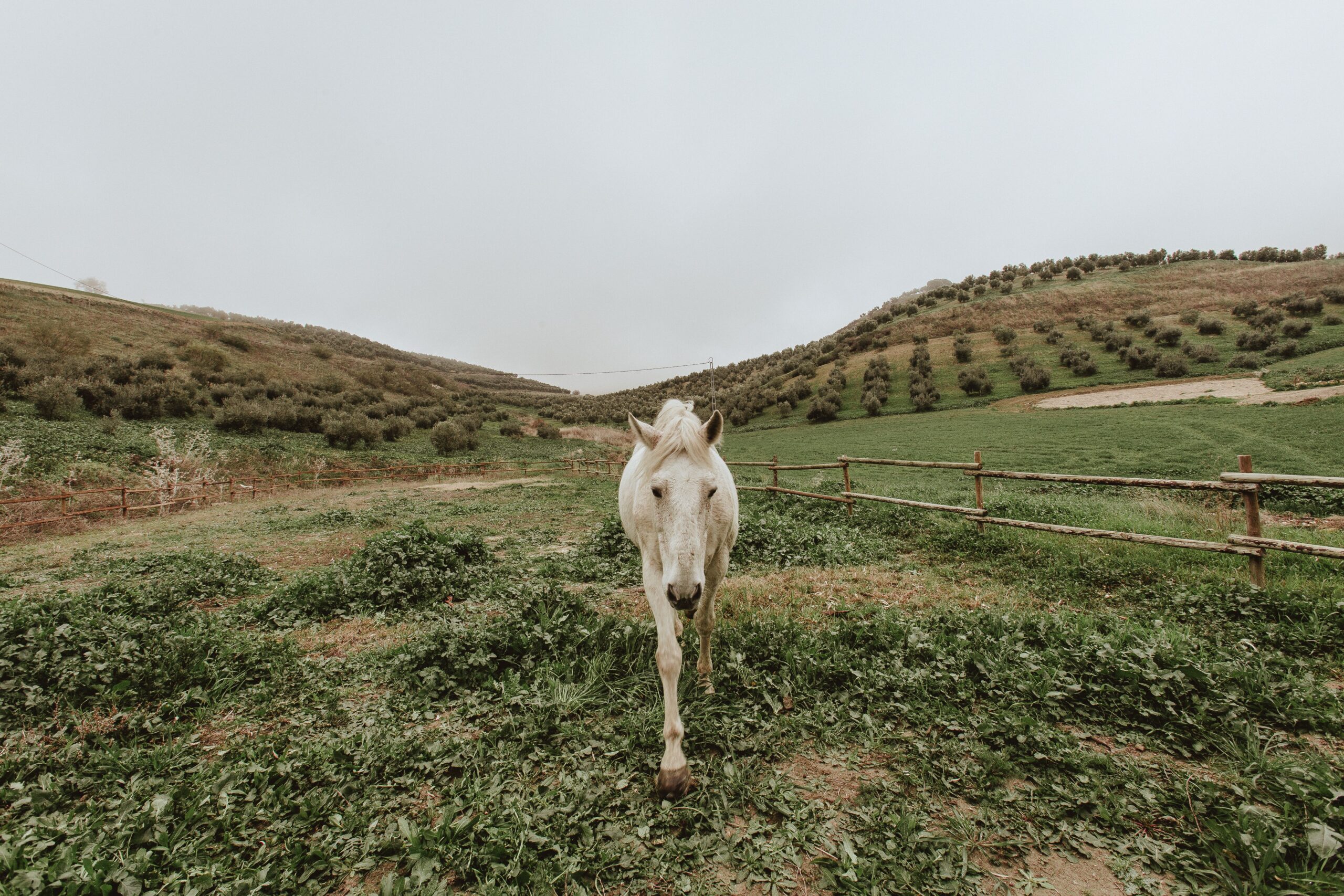
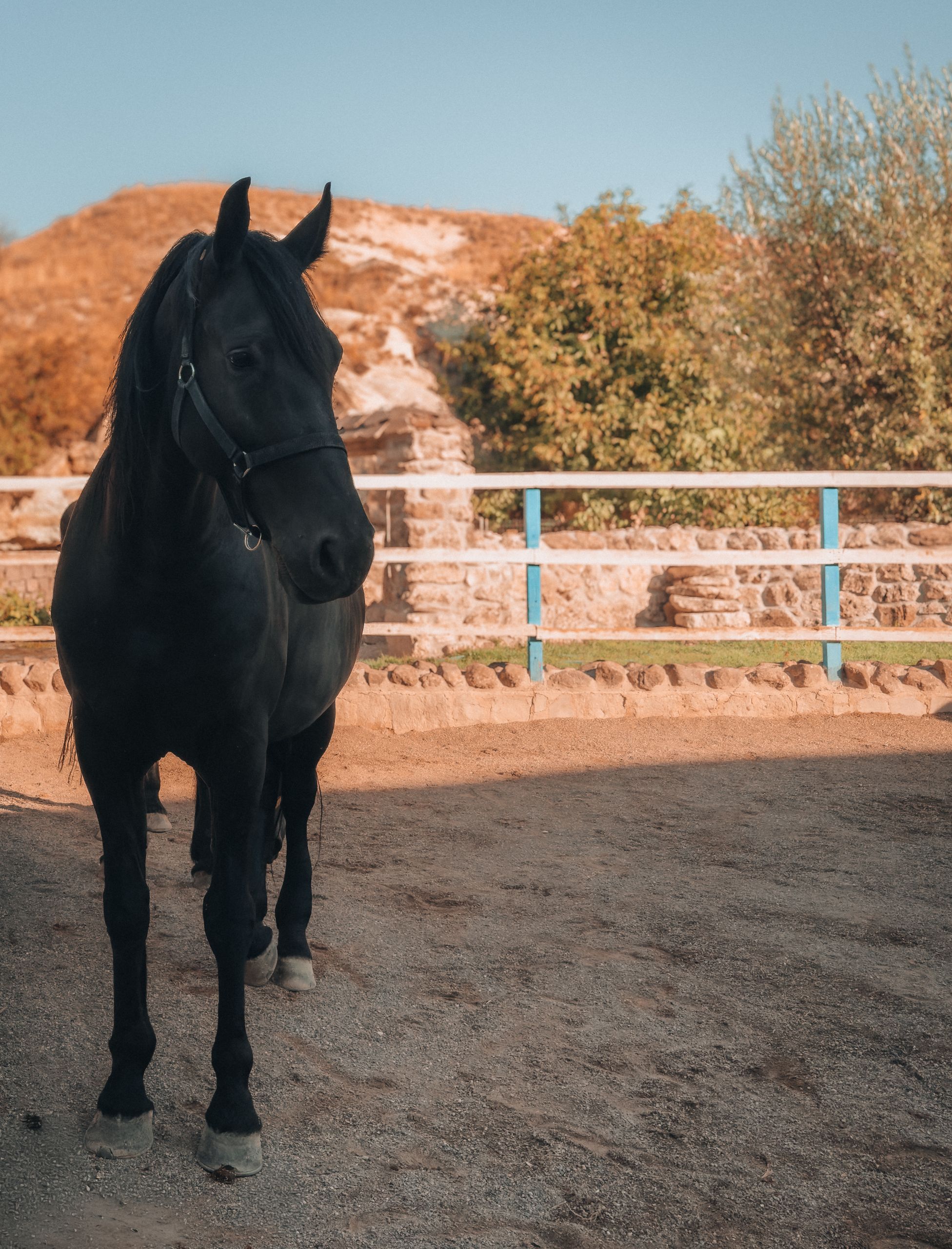
The load-bearing features deserve real attention. Stand back and look squarely from the front, behind and each side. Watch how the limbs align and how the feet sit under the horse. Turned-in or turned-out limbs, upright or collapsed pasterns, one front foot smaller and more upright than the other, all change how force travels up the leg with every stride, and over years that is what concentrates wear into joints and tendons.
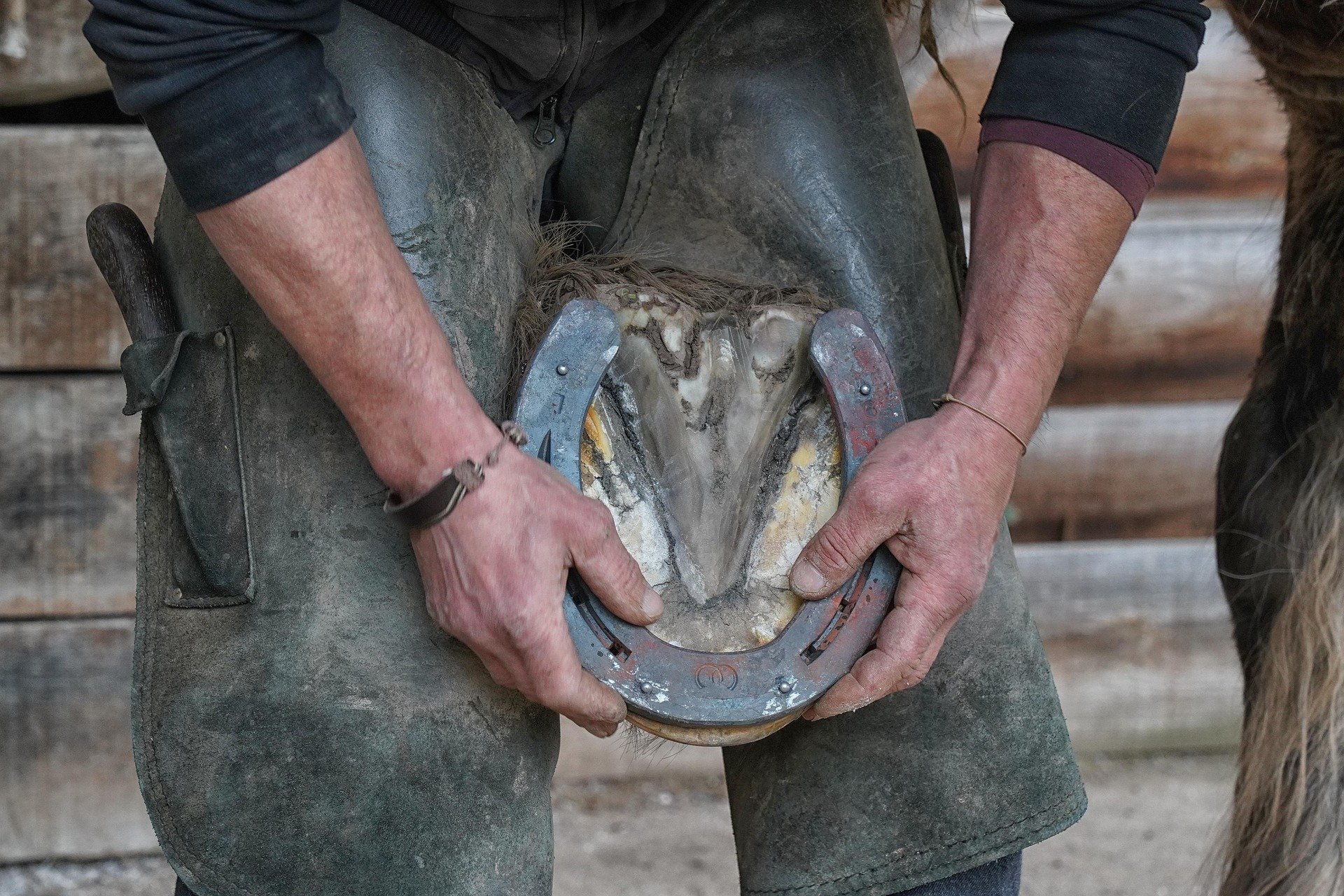
Look at the feet themselves and ask when they were last trimmed or shod. Long toes, under-run heels, flared walls, thin soles or rings around the hoof are worth a follow-up question. Poor feet are not a one-off fix, they mean ongoing farriery for as long as you own the horse. Our guide to everyday hoof care covers what good and problem feet look like.
Movement & soundness
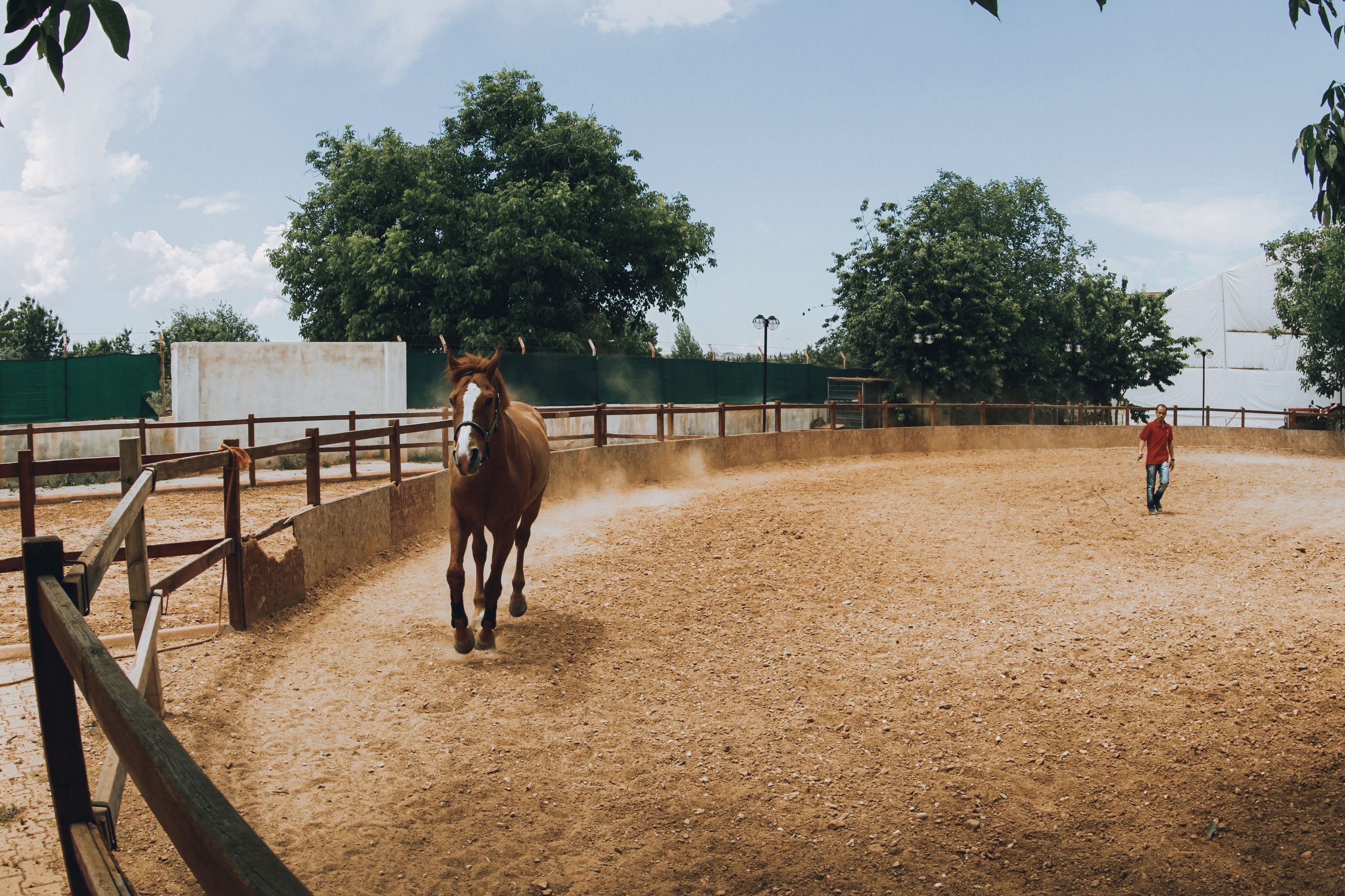
Ask to see the horse walked and trotted in hand, on a firm level surface, straight towards you and away, then on a circle both reins, before it is ridden. Pay most attention to the walk: it’s the gait riders undervalue and the hardest to fake. A genuine, over-tracking walk, hind foot landing ahead of the front print, is usually a comfortable, trainable ride. A short, pottery walk can improve with fitness, or it can be the first sign of soreness. In trot, look for rhythm rather than knee action: an even head-nod, quarters rising evenly, the same stride length on both reins. A hitching hip, shortened steps on a circle, or quarters swinging to one side are reasons to slow down and call a vet.
Temperament in context
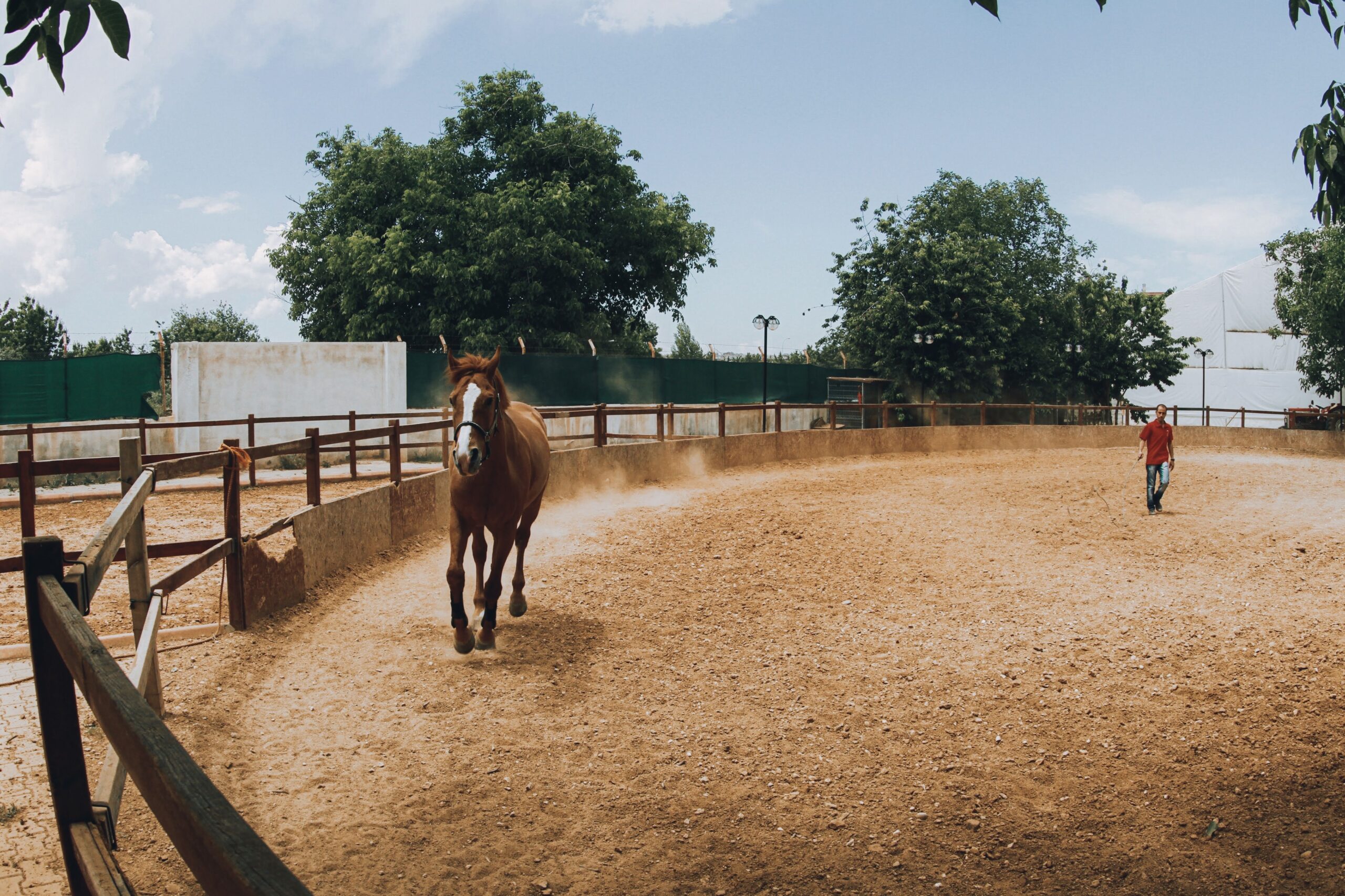
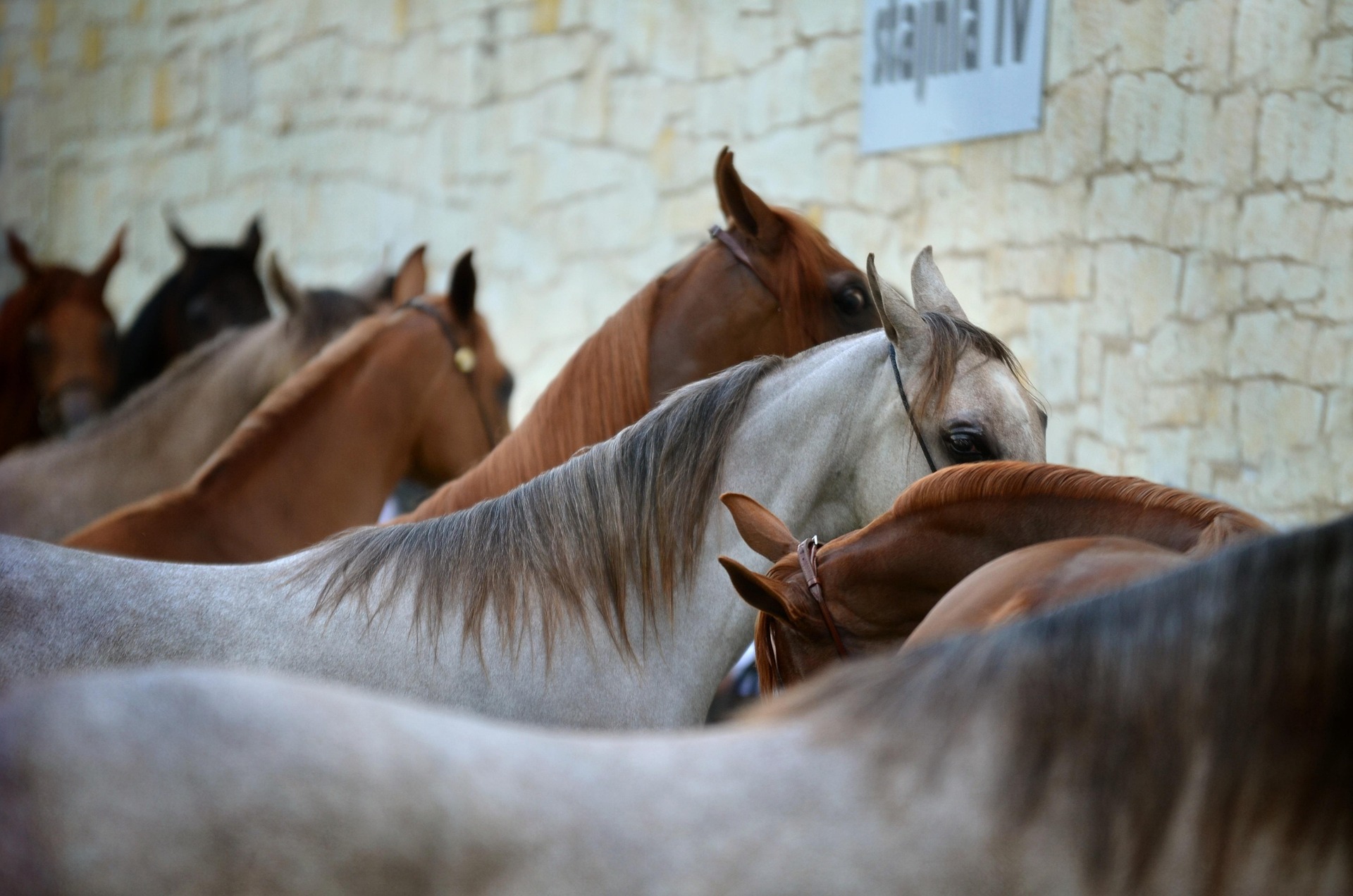
For most buyers, temperament decides whether the horse works out. It is also the easiest thing to misjudge in one visit.
The circumstances around a behaviour usually matter more than the behaviour itself.
Calm only in the arena it knows. Tense anywhere new.
Copes with something ordinary and slightly testing: a lorry passing, a new face, an unfamiliar corner.
See the horse more than once if you can, ideally unprepared. Bring your instructor: an experienced eye on the ground reads rideability, not just soundness, and can tell you whether you will enjoy this horse or manage it.
The vetting, and its limits
A pre-purchase exam, a “vetting,” is a clinical assessment for the buyer. The common British model runs five stages: rest, walk and trot in hand, strenuous exercise, a rest period, then a second trot-up. A blood sample is usually taken and stored, in case a hidden problem or medication comes to light later. Book it yourself, use a vet with no connection to the seller, and describe your real plans for the horse.
Worth rememberingThe right horse isn’t the most correct one you see. It’s the one whose ordinary day matches the life you can actually give it.
Questions worth asking, and the follow-ups
Most buyers ask the headline questions and accept the headline answers. The value is almost always in the follow-up.
“Has the horse had time off work, and why?”
More revealing than “any health problems?” It invites the seller to describe episodes rather than deny a category. Listen for resolved (“box rest for an abscess, fine since”) versus managed (“he’s on a joint supplement and he’s great”). Managed means ongoing cost.
“Who are your vet and farrier, and may I speak to them?”
A seller with nothing to hide usually agrees. The farrier sees the feet every few weeks and has no stake in the sale.
“Why are you selling?”
Ordinary answers are ordinary: university, moving abroad, bought something more forward. A story that keeps shifting is a reason to slow down.
At the viewing
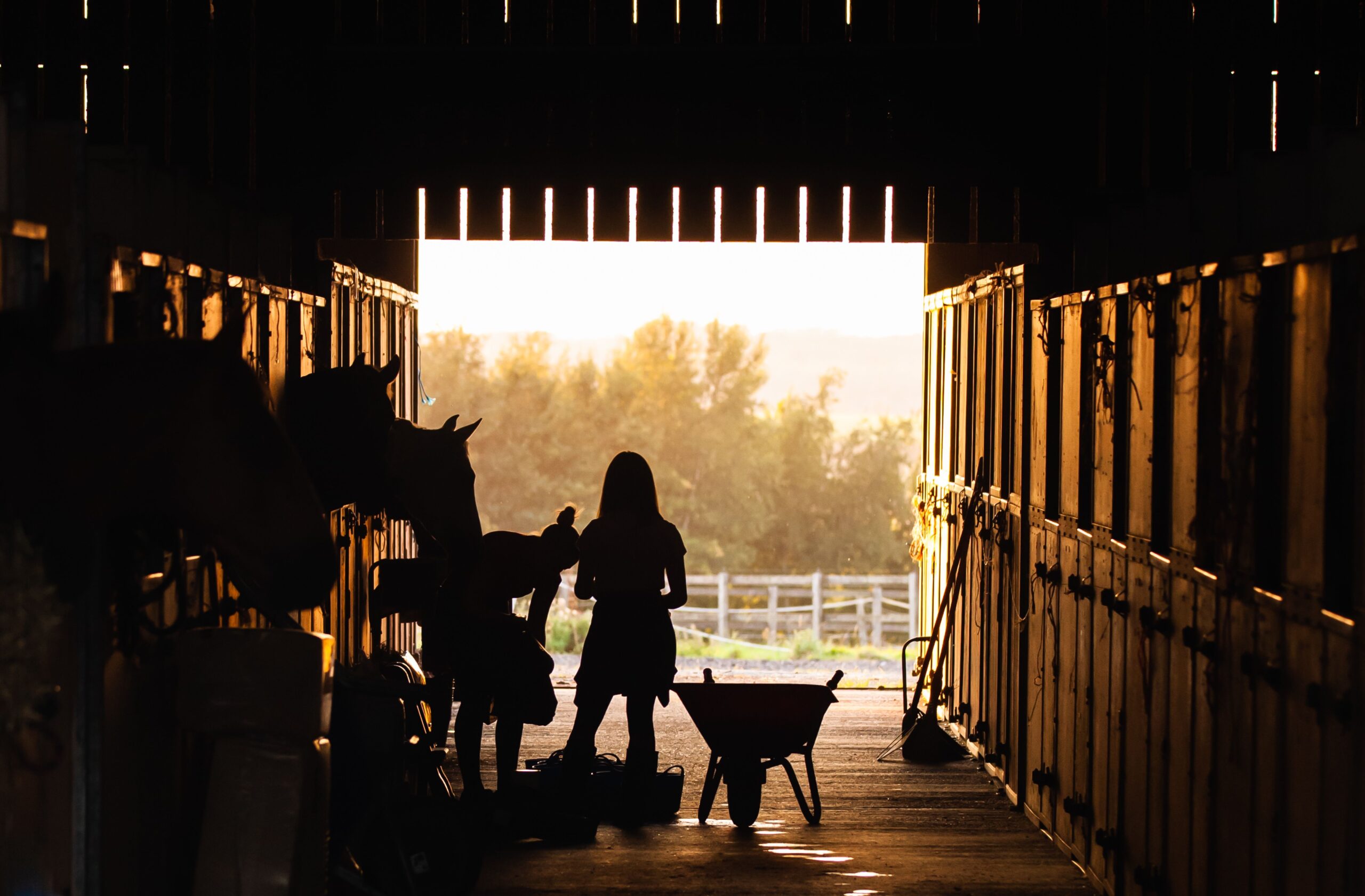
Ask to be there when the horse is caught and brought in. Harder to stage than a schooling session, and it tells you about ground manners.
If an answer feels thin
Wait. “Can you tell me more about that?” followed by silence usually gets further than a clever follow-up question.
Buying from a business generally gives stronger legal protection than buying privately, and the rules depend on where the sale happens. Either way, get any claim that matters, no vices, sound, recently vetted, in writing, even as a message thread. It costs nothing, and it is the difference between a memory and a record if something is disputed.
Other questions first-time buyers forget: what does the horse cost to keep each month, and how is it kept now? Good doer or hard to keep weight on? Barefoot or shod, how often? Easy to catch, load, clip, be left alone? Running costs are a fairer guide to affordability than the price. Our breakdown of what owning a horse really costs explains why.
A tidy, well-stocked grooming and handling kit makes it easier to assess a horse calmly, and you’ll need one from day one anyway.
How to actually decide
By the time you are weighing a real horse, you usually have small positives and small doubts. Separate what can change from what cannot.
- Fitness and muscle
- Weight and condition
- Manners and confidence
- Schooling
- Conformation
- Established movement
- Temperament under pressure
- Foot quality
Does this horse’s ordinary day look like a day you can give it and enjoy?
A brilliant horse that needs more riding, schooling or nerve than you have is not a bargain at any price. A plain, correct, kind horse that fits your life usually is.
Editorial guidance only. Independent veterinary advice is recommended before purchase.
Buying a Horse as an International Buyer on Mallorca
Pre-Purchase Vetting: What Actually Gets Checked?