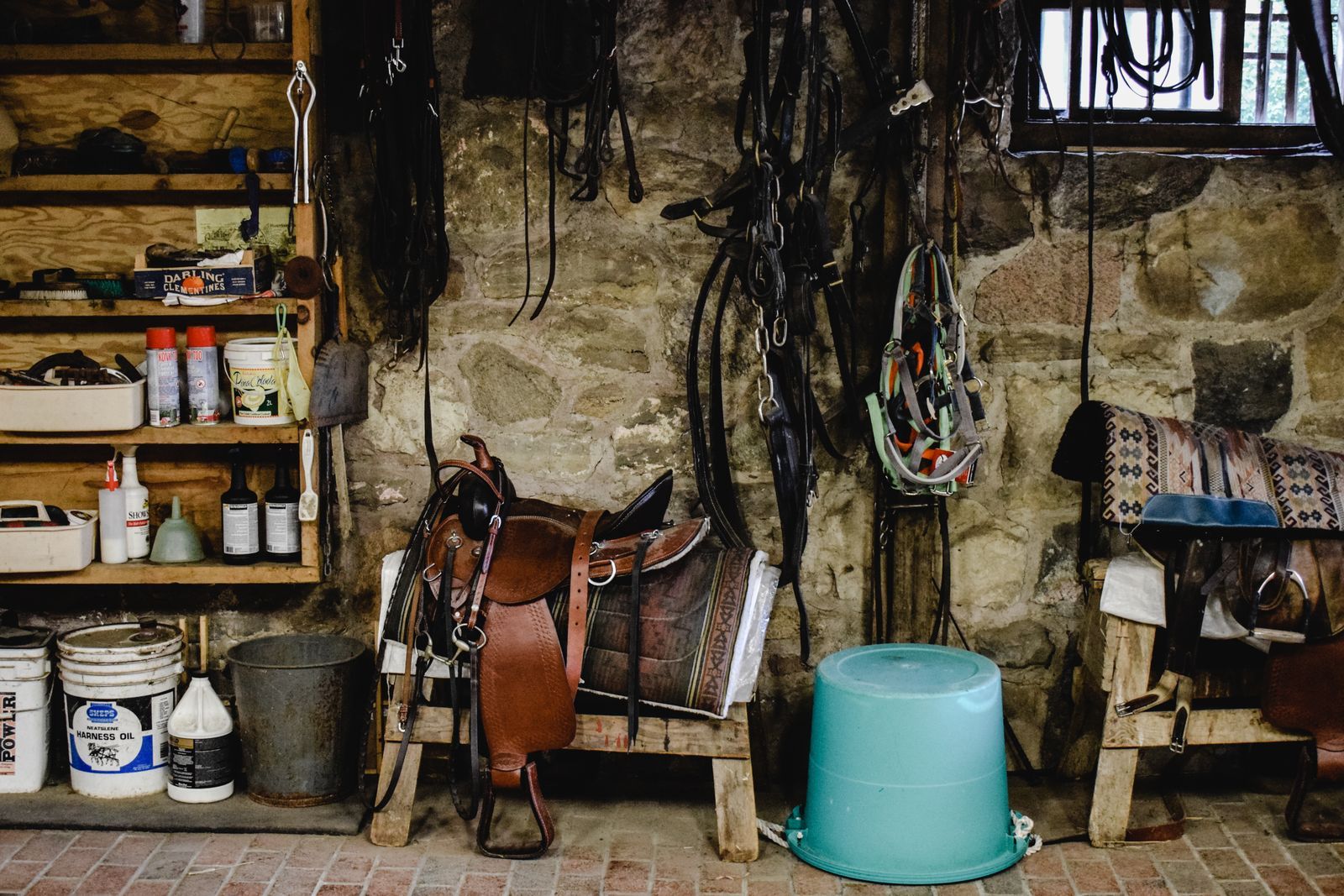
Made-to-measure saddlesWho measures and what matters in a saddler
Not every made-to-measure saddle is made to measure. Between the off-the-shelf saddle and a saddle built for one horse and one rider there are several steps, and made to measure covers all of them. This guide sorts the steps, explains who measures, lists typical mistakes and gives you ten checkpoints to take to the saddler.
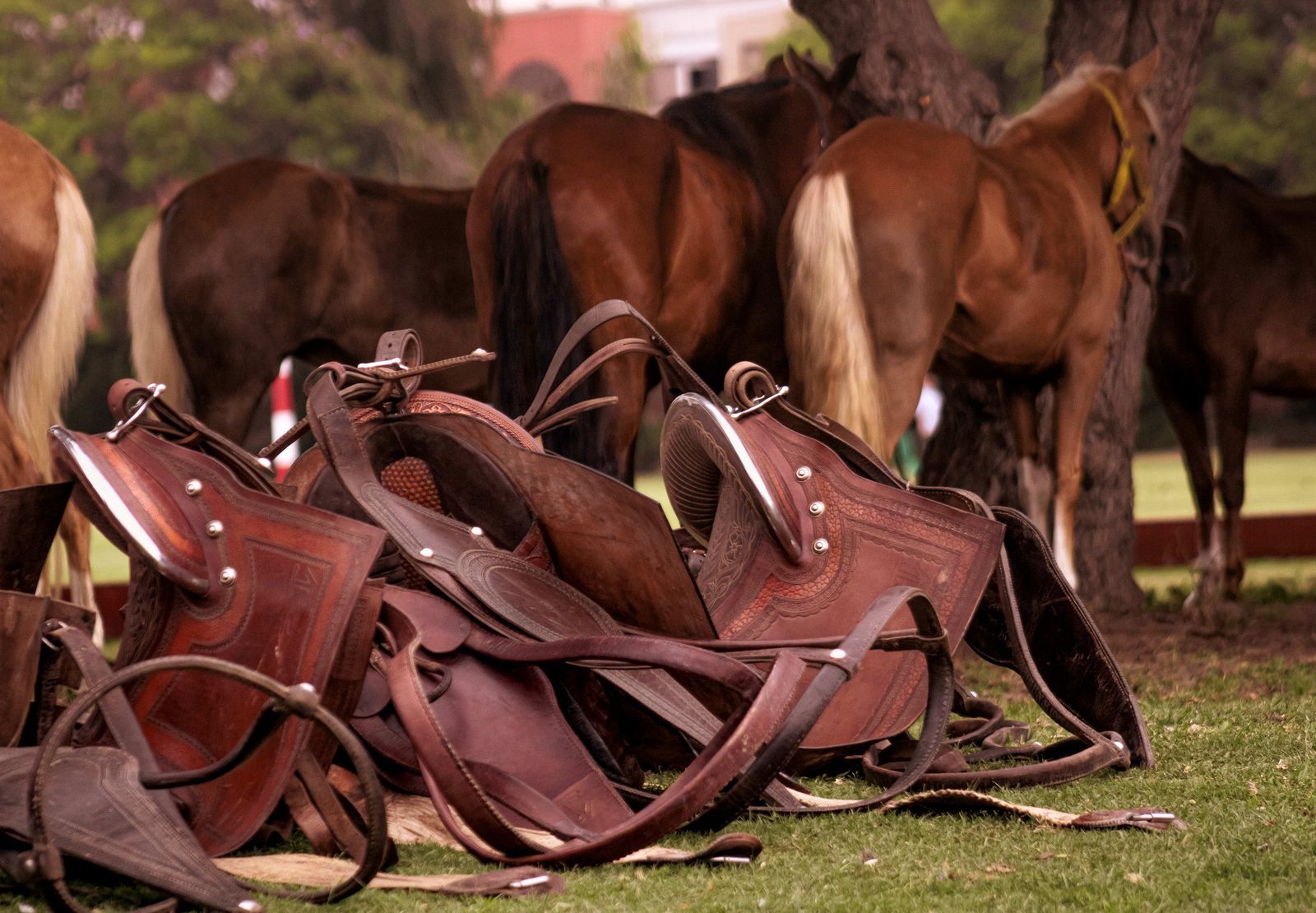
What matters is not only whether the saddle is made to measure but what exactly is adapted, from tree to padding, and who has seen horse and rider in motion.
01Four steps, one phrase
Makers and practitioners do not use the phrase in the same way. Four steps help to sort it. The division is an editorial order, not a standard.
Off the shelf
The saddle is made in fixed sizes. You try whether it suits the horse and you, and you buy it or not.
Off the shelf with adjustment
A saddler changes the padding and the girth position, often the width of the gullet too, as far as the tree allows. This can change a lot and is still not a new saddle.
Made to measure on a standard tree
The saddle is put together for your horse and your seat, with seat size, flap, panel shape and often the channel. The tree comes from a fixed range. For some makers this is already made to measure, for others it is not.
Individual from the tree up
From a saddle maker's point of view, bespoke work starts with the tree itself (2). The tree is built for one horse and one rider, everything else follows.
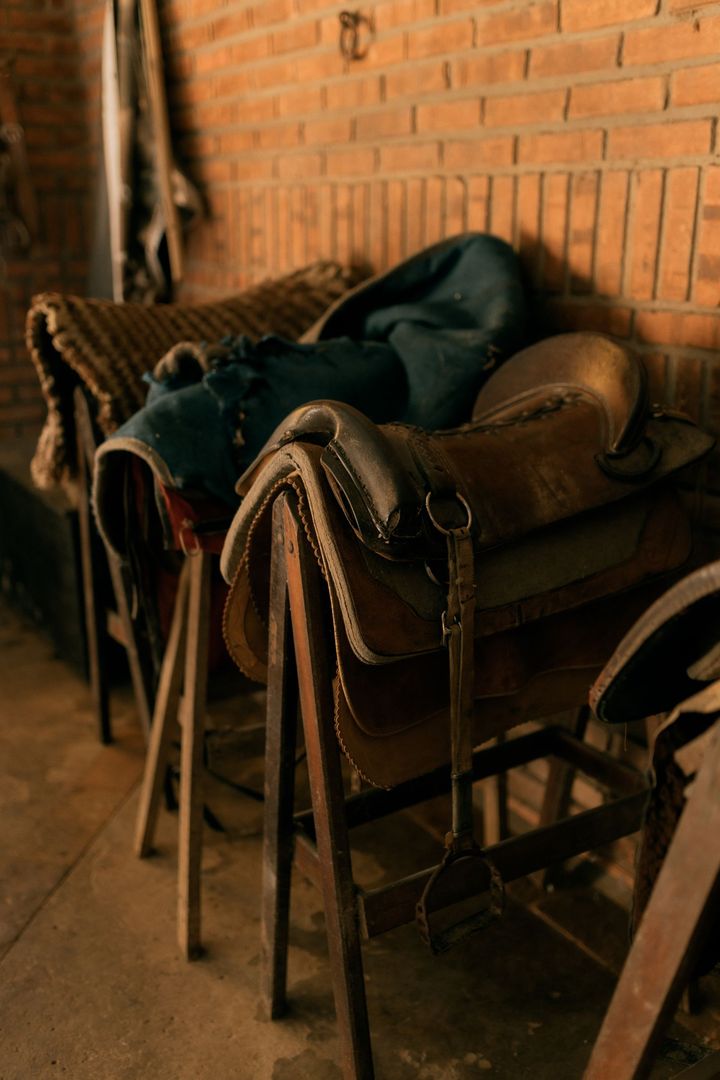
The opposite view deserves a hearing too. An opinion piece points out that many custom saddles use standard trees from a few tree makers, that the fit depends on the fitter and that foam panels are harder to change than wool flocking (3). Both can be true. What counts is what the individual supplier delivers under made to measure.
The step matters, not the label. Anyone who says the saddle is built for your horse should be able to explain whether the tree is part of it.
02Who measures
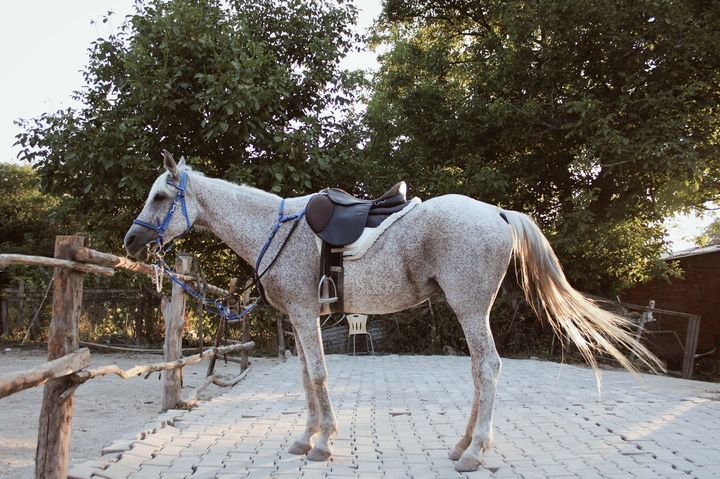
The person matters more than the brand. Qualified saddle fitters work to guidelines. In the United Kingdom there are, for example, the Qualified Saddle Fitters of the Society of Master Saddlers, which states that it lists more than 200 such fitters in the United Kingdom and 100 internationally (1).
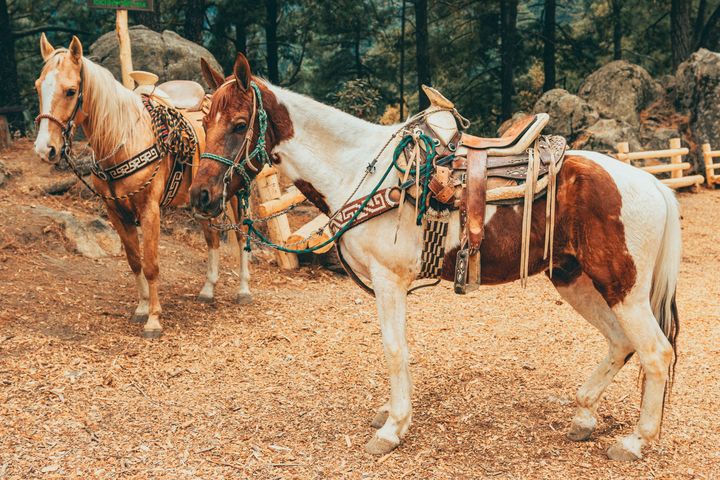
In the conversation, training and references count, and the method of measuring can be shown. When measuring, the saddler looks at the horse, standing and in motion. This is editorial advice, not a professional statement. It helps if the saddler sees horse and rider in all gaits.
What is measured
Our article on saddle pressure mapping explains what the measurement shows and what it does not. →
03The most common mistakes
- 1
Measure once, never again
Horses change shape throughout their lives. According to a retailer, a used saddle should be checked every 6 to 12 months and a new saddle within the first three months, more often with hard work or a change in weight (4).
- 2
Measuring the wrong horse
Measuring an unfit, thin or freshly fattened horse gives you a measurement for the day, not for the year. A good plan says how changes are allowed for.
- 3
Measuring without the rider
A saddle has to fit two living beings. Measuring only the horse means buying half a saddle.
- 4
Looking only at the width
The width of the gullet is one value among many. Angle, length, panel shape and girth position count as well.
- 5
A pad instead of an adjustment
A pad can soften unevenness, it does not replace an adjustment of the saddle.
- 6
Ordering without a trial
The less you can try before buying, the more depends on the person who measures (3).
- 7
No plan for improvements
Before buying it should be clear how many re-checks are included in the price and what happens if the saddle does not fit.
04What a saddler on site does
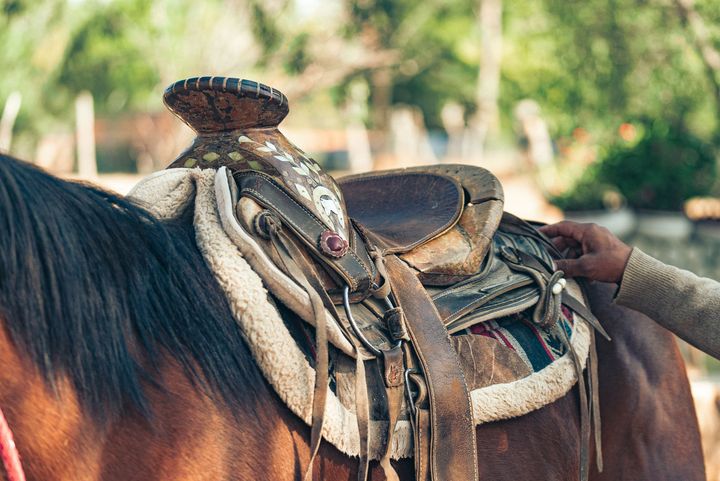
- 1Sees horse and rider together, not just numbers.
- 2Can improve the padding as long as the tree fits.
- 3Checks again after a few weeks and when the work changes.
- 4Says so when a saddle does not fit, before it is built.
Saddlers who visit the stables can be found through yard owners, farriers or vets. We name no names until we have checked them.
05Costs, honestly
We name no prices here. We have no verifiable overview for made-to-measure saddles, and prices depend on tree, leather, padding, finish and maker. A written quote should list the services, at least tree shape, type of padding, number of re-checks, lead time and return or improvement if the saddle does not fit.
06Ten checkpoints for the saddler
One last point
Note when your saddle was last checked, and by whom. Write it down, save the ten checkpoints and note the step at your next visit.
Is made to measure the same as bespoke?
The terms are not used in a uniform way. The step is what counts, that is whether only the padding is adapted, whether a standard tree is used or whether the tree itself is built for your horse.
How often should a saddle be checked?
One retailer recommends every 6 to 12 months for used saddles and a check within the first three months for new saddles, more often with hard work or a change in weight (4).
What does a made-to-measure saddle cost?
We give no figure because we have no verifiable overview. A written quote should list all services.
More on fitSaddle pressure mappingWhat the measurement shows and what it does notMore on fitSaddle fit basics every rider should understandThe basics of saddle fit More on fitSaddles and fitting sectionAccessories around the saddle
Sources · Retrieved 4 October 2026
The numbers in brackets in the text refer to these sources. Price and fit are given as stated on the product page, the opinion piece is an opinion piece.
(1) Society of Master Saddlers, About us
(2) Schleese Saddlery, Saddle fit and custom saddles (manufacturer position)
(3) Liz Goldsmith, Why I will never order a custom saddle, Equine Ink, 11.11.2020 (opinion piece)
(4) Saddlemasters (retailer), Why should I get my horse's saddle checked and how often
EquiMallorca, saddle pressure mapping and saddle fit basics (6)
Photo Alexander Mass · Photo Claudia Ceruti · Photo Eva Bronzini · Photo Los Muertos Crew · Photo Mehmet Teke · Photo Roger Ce, Pexels
EquiMallorca is an independent editorial platform. Makers build saddles, retailers sell them, we put things in order and link. This guide promises no protection and does not replace advice on site.
Ad The product links in this block are affiliate links, the price stays the same for you. These are accessories and not saddles. The retailer TRI Equestrian sells and ships, with price and availability in the shop.
The tack room basket
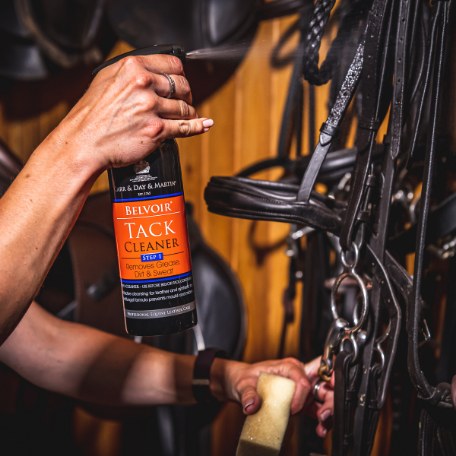
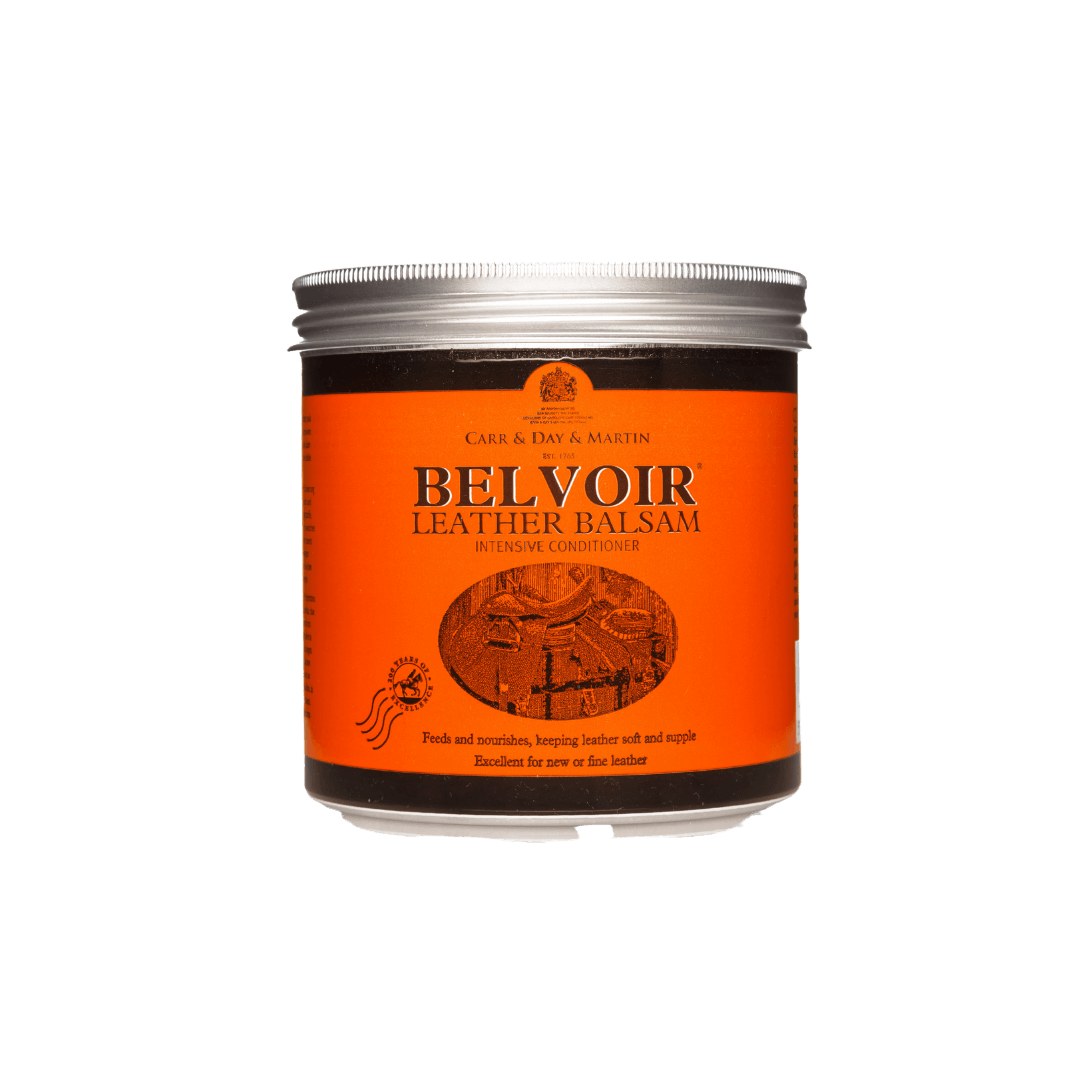
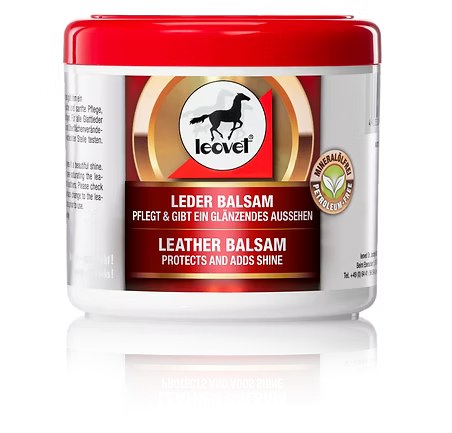
+ 5 more items
TRI Equestrian: free shipping from 150 €, this basket reaches it
The grooming box
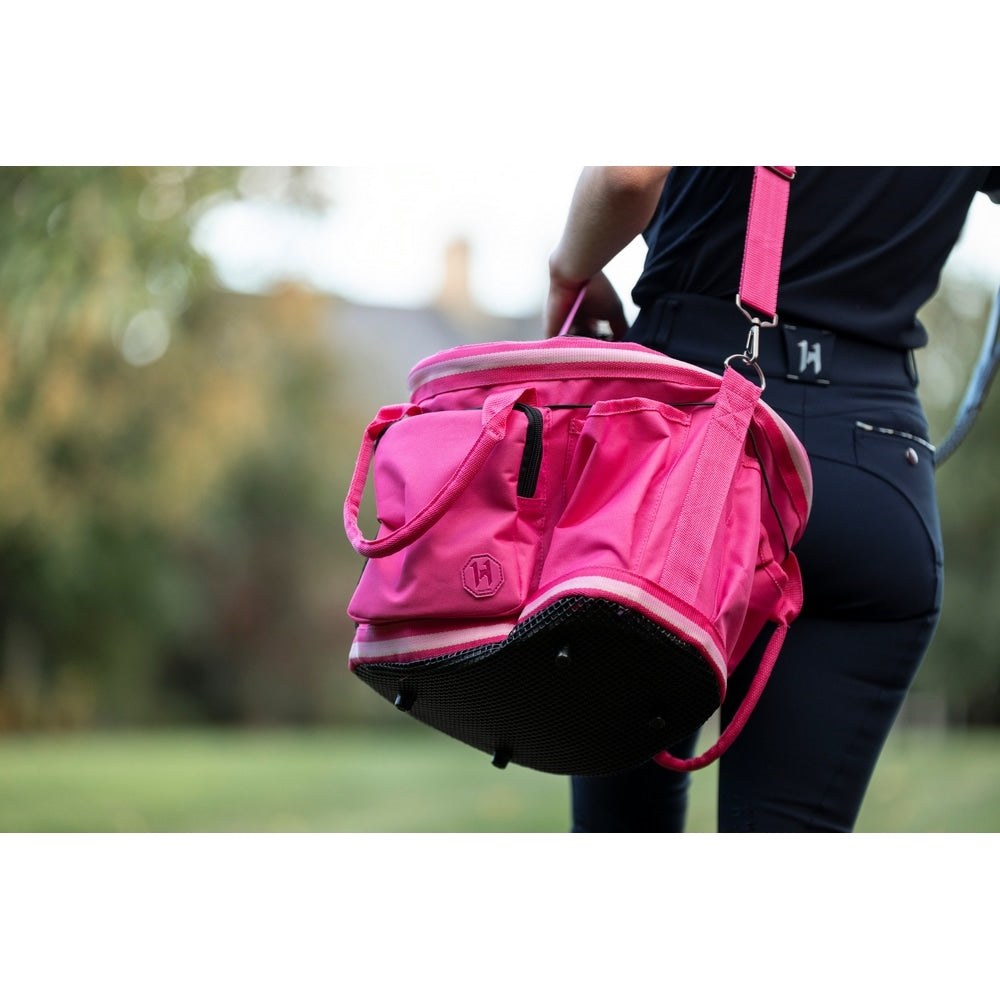
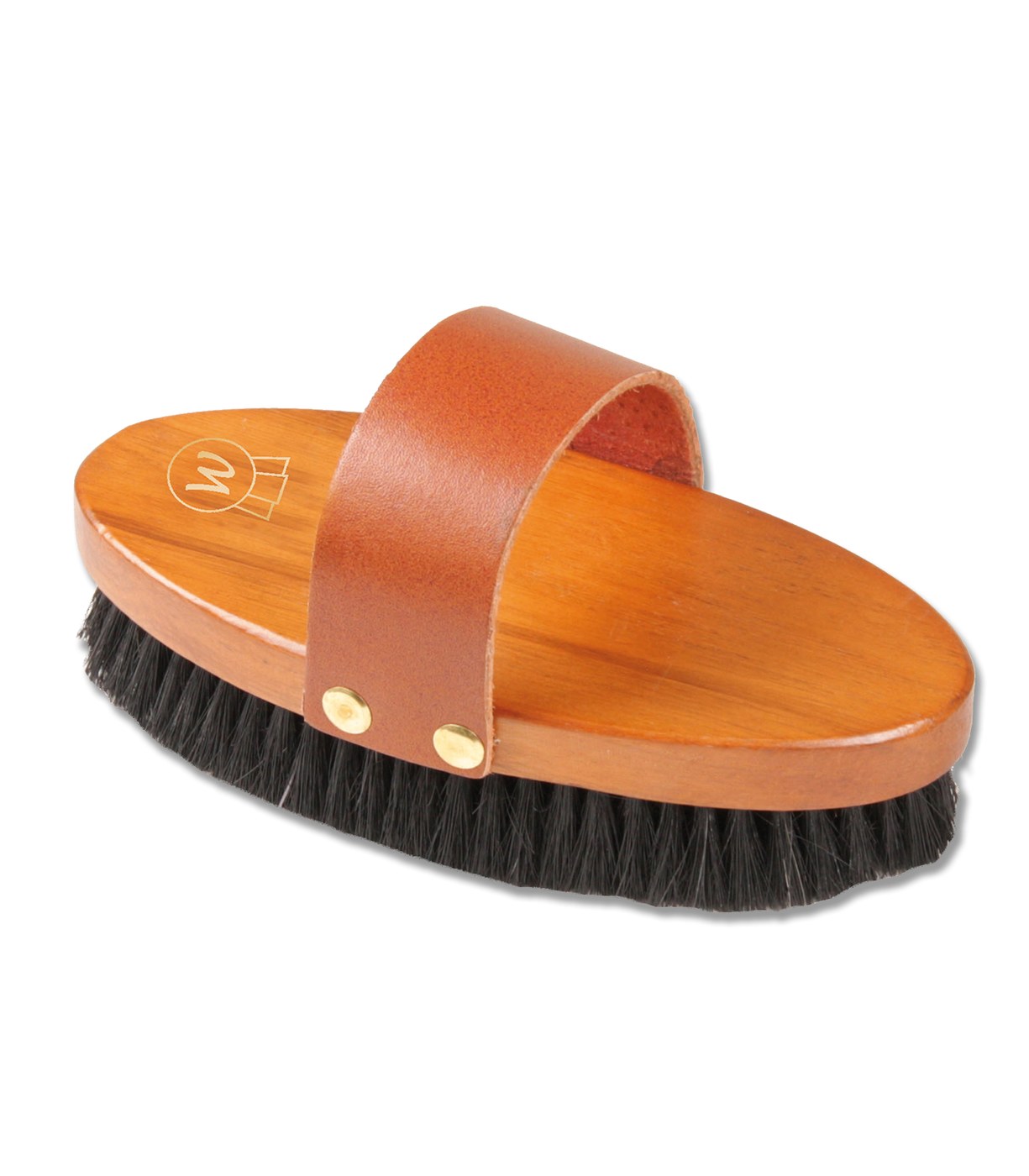
+ 5 more items
TRI Equestrian: free shipping from 150 €, this basket reaches it
 Acavallo Classic Gel Pad with Sheepskinfrom 142.50 €View at TRI Equestrian →
 QHP Memory Foam Dressage Girthfrom 46.95 €View at TRI Equestrian →
 Shires Equestrian Anti-Chafe Anatomic Contour Waffle Girthfrom 47.25 €View at TRI Equestrian →
 Turfmasters Classic Stirrup Leathersfrom 26.50 €View at TRI Equestrian →