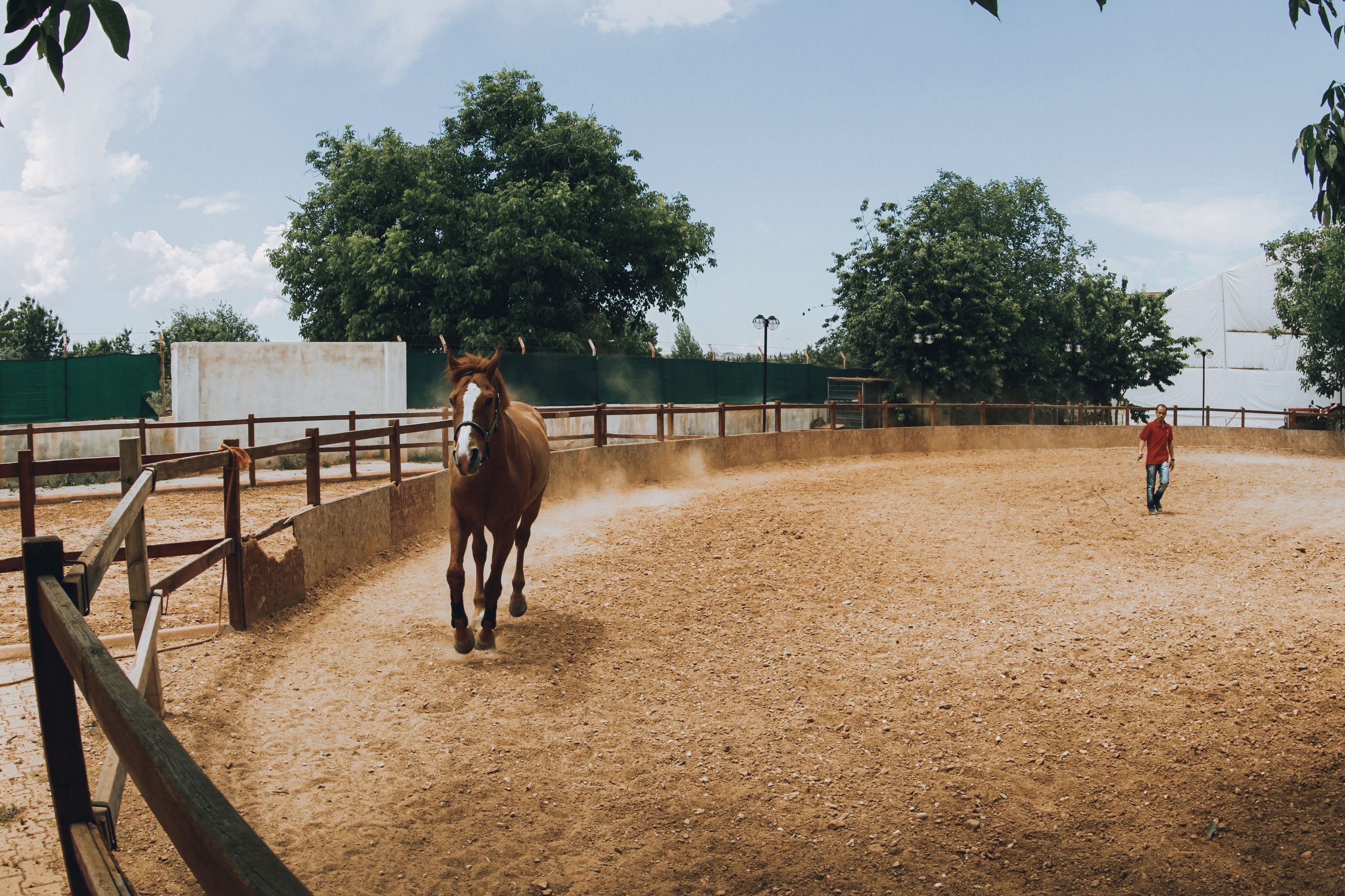
Pre-Purchase Viewing Checklist
Go with a list, not just an impression.
What to actually check when you go to see a horse: what to bring, what to watch for, and the questions that matter more than the ones you would normally think to ask.
Sleep on it. A good horse will still be a good horse tomorrow.
Vet it with your own vet, not the seller’s.
Before You Go
- ✓Ask for recent video of the horse being caught, led and ridden, not just performing its best move
- ✓Confirm the asking price against what similar horses are actually selling for
- ✓Check the seller can produce a passport and, where relevant, breeding papers
- ✓Agree who is coming with you, ideally someone more experienced than you
- ✓Ask whether a trial period or vetting is possible before you travel to see it
What to Bring
- ✓A properly fitted riding hat, in case you are offered a ride
- ✓Suitable footwear and clothing for a yard, not just for riding
- ✓A phone with charge and storage space, for video and photos
- ✓A notebook: memory is unreliable after seeing several horses in one day
- ✓Contact details for your vet, in case a same-day vetting becomes possible
Watching the Horse
- ✓Ask to see the horse caught and led before anyone tacks it up for you
- ✓Watch it being tacked up: how it stands, and how it reacts
- ✓See it ridden by the current handler first, not only by you
- ✓Ask to see it hacked out or worked outside the arena, not just schooled
- ✓Watch how it loads, if a trailer or lorry is available
Questions to Ask
- ✓Why is the horse for sale, and does the answer match what you are seeing?
- ✓What has the farrier and vet history been over the last year?
- ✓Are there any vices, past injuries, or ongoing management needs?
- ✓How has the horse been ridden, and by whom, recently and consistently?
- ✓Would the seller support a trial period or a follow-up visit?
After the Viewing
- ✓Sleep on it. A good horse will still be a good horse tomorrow
- ✓Arrange a vetting with your own vet, not the seller’s
- ✓Get any agreement on price, trial or return in writing
- ✓Ask someone who was not there for a second opinion on the video
- ✓Confirm insurance and transport are arranged before the horse moves
A viewing and a vetting are two different things. A good viewing narrows your choice, but only a vetting by your own vet properly assesses soundness and health.
The viewing is the one time you get to see the horse before your own hope starts editing what you remember.
See it caught, led and hacked out, not just ridden in an arena on its best day.
Ask why it is for sale, and check the answer actually matches what you are seeing.
Vet it with your own vet, and get any agreement on price or trial in writing.
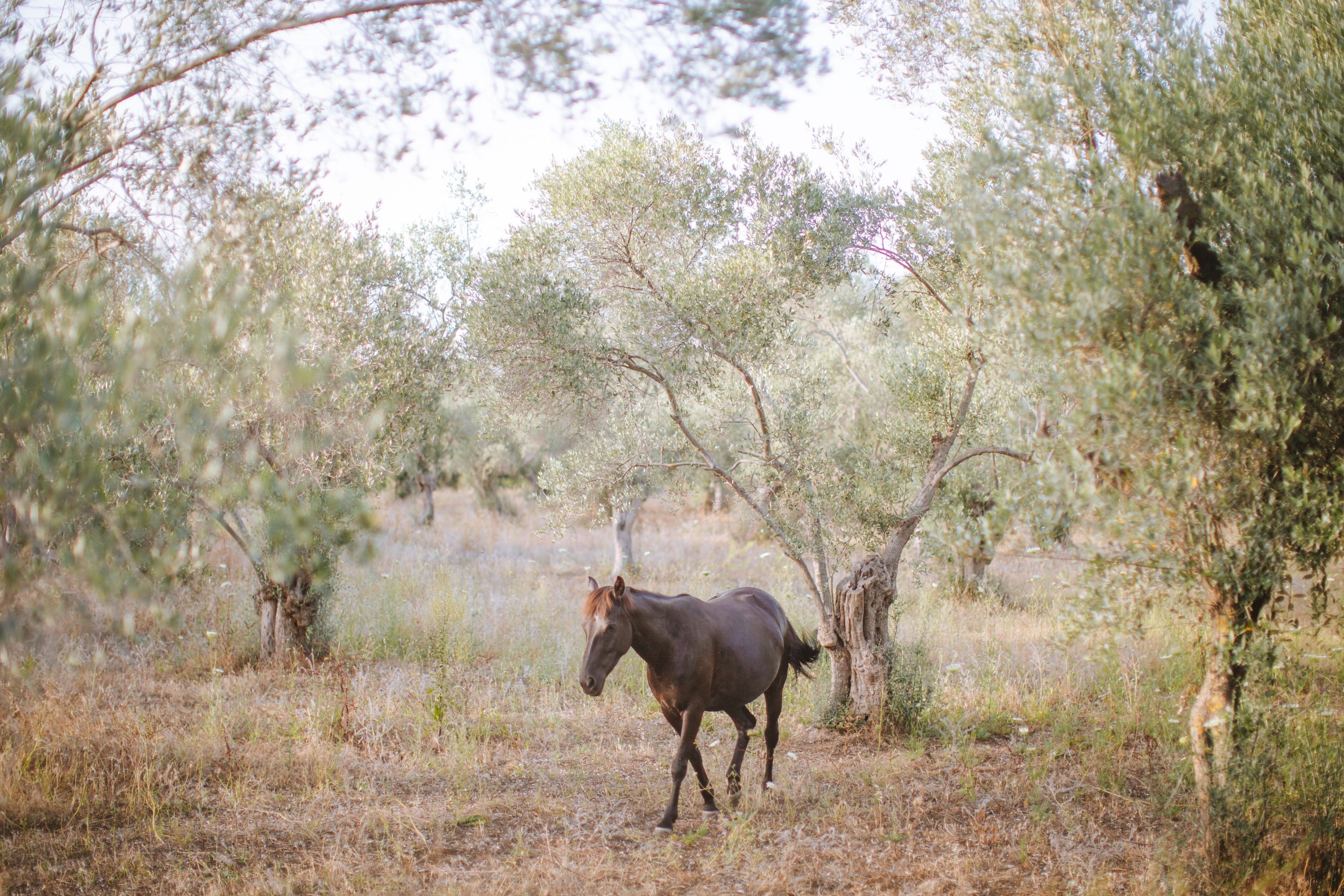
What to Look for When Buying a Horse
What to actually look for once you get past first impressions.
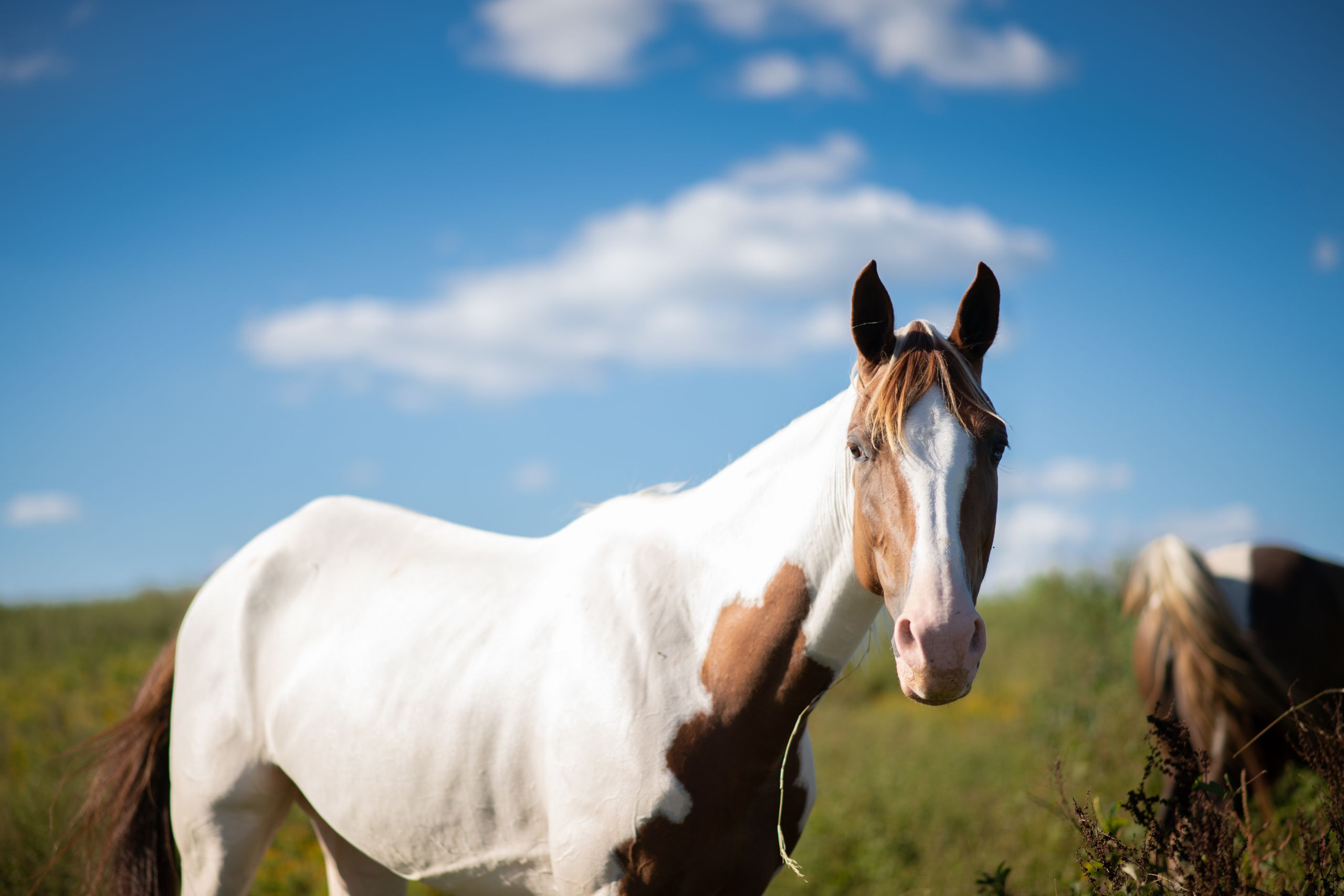
Buying a Horse as an International Buyer on Mallorca
What changes, practically, when the horse and the buyer are not in the same country.
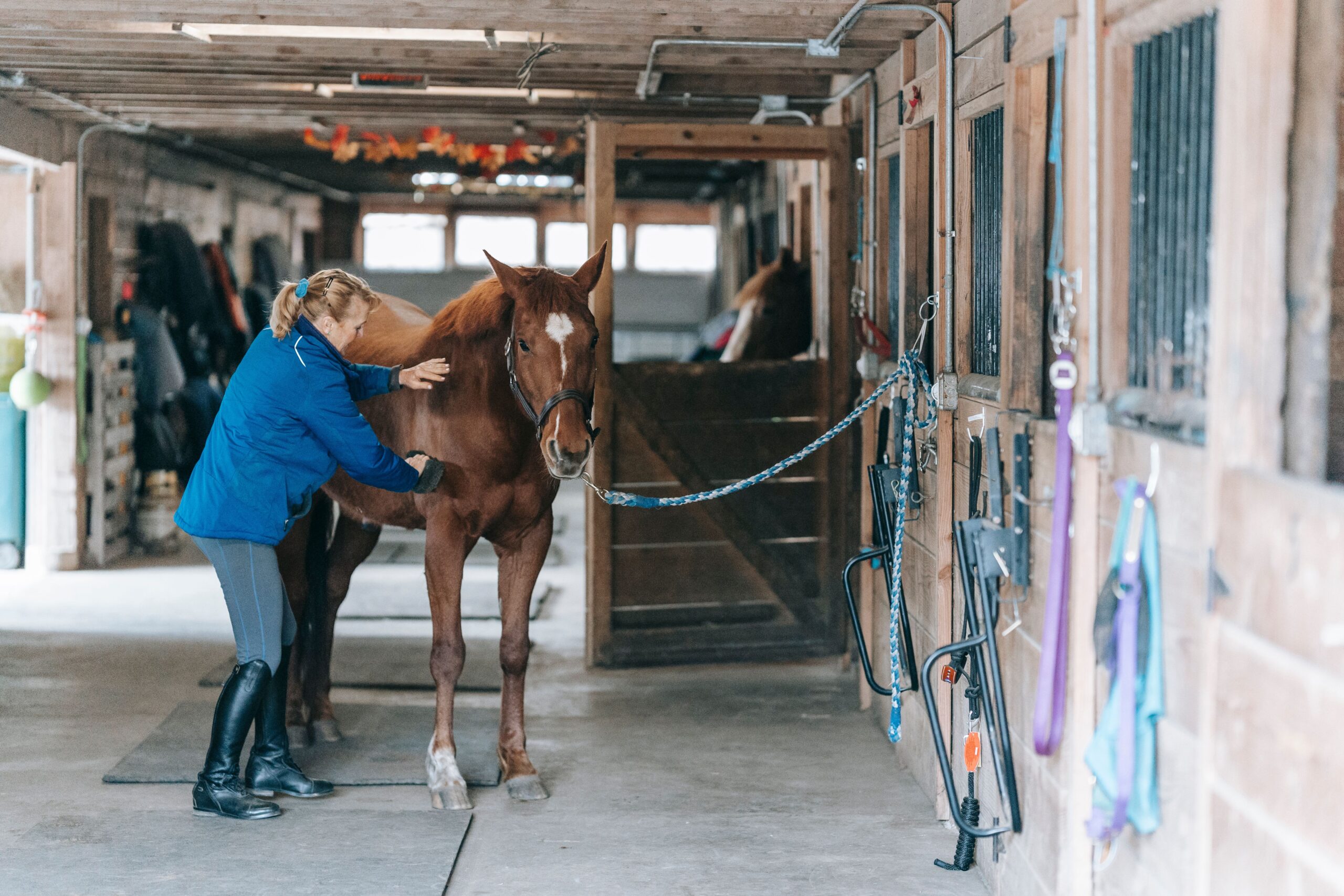
What Does Owning a Horse Really Cost?
The honest arithmetic of keeping a horse, not just buying one.