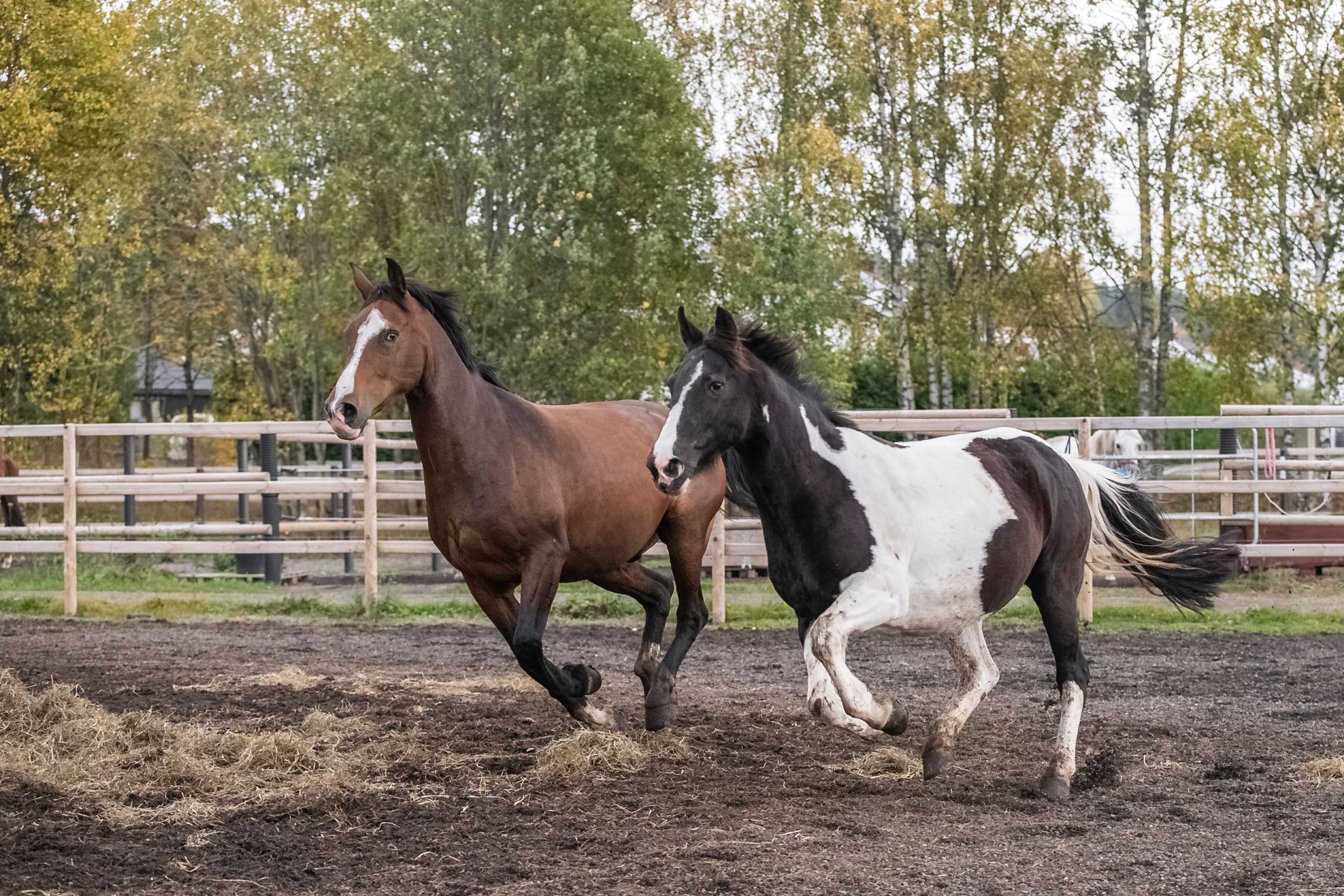
New Horse Arrival Checklist
The first two weeks set the tone for everything after.
What to have ready before a new horse arrives, and what to actually do in the first two weeks while it settles in.
Keep the first routine simple: same feed, same turnout pattern, no surprises.
Watch eating, drinking and droppings for the first 48 hours.
Before Arrival Day
- ✓Stable or field shelter clean, dry and ready
- ✓Forage sourced and, where possible, similar to what the horse is used to
- ✓A quarantine or separate-turnout plan if the horse is new to the yard
- ✓Fencing and gates checked in the field it will use first
- ✓Your vet and farrier informed that a new horse is arriving
Health & Paperwork
- ✓Passport transferred or in transit, with a photocopy kept at the yard
- ✓Vaccination and worming history, and what is due next
- ✓Current diet and any supplements, to change gradually, not suddenly
- ✓Any medical needs, allergies or management notes from the previous owner
- ✓The seller’s or previous yard’s contact, in case a question comes up
Settling In
- ✓Keep the first routine simple: same feed, same turnout pattern, no surprises
- ✓Introduce other horses gradually and over a fence line first
- ✓Watch eating, drinking and droppings for the first 48 hours
- ✓Avoid over-handling. A settling horse needs quiet more than attention
- ✓Keep visitors and changes to a minimum for the first week
Turnout & Handling
- ✓Start with short, supervised turnout before a full day out
- ✓Check the field boundary is secure before turning out alone
- ✓Introduce field companions one at a time, not the whole herd at once
- ✓Handle calmly and consistently while the horse is still finding its feet
- ✓Have a plan if the horse is unsettled: a smaller paddock is safer than none
The First Two Weeks
- ✓A simple daily log: appetite, manure, attitude, any changes
- ✓Weight and condition, especially if the journey was long
- ✓A settling-in check with your vet or farrier if anything seems off
- ✓Realistic expectations: real settling can take two to four weeks
- ✓Patience. A quiet, uneventful fortnight is a good sign, not a boring one
A horse that arrives to a calm, prepared yard settles faster than one dropped into chaos.
Prepare the yard and paperwork before arrival day, not during it.
Keep the first routine simple, and introduce turnout and companions gradually.
Watch appetite, manure and attitude closely for the first two weeks.
Every horse settles differently. These are general guidelines, and any signs of illness, colic or lameness should be checked by a vet promptly rather than waited out.
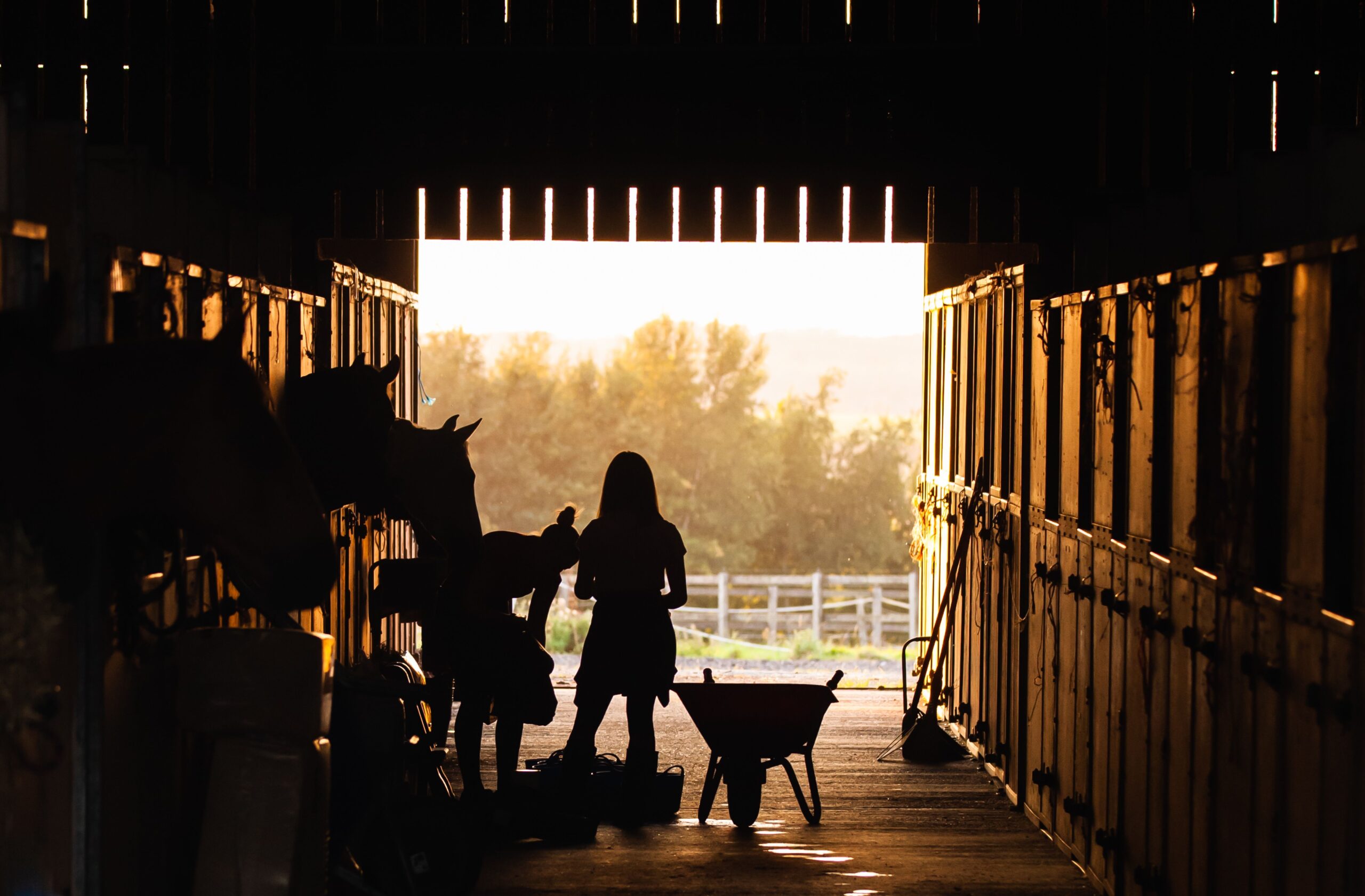
Your New Horse: The First 30 Days
The narrative version of the first month, for what this checklist keeps short.
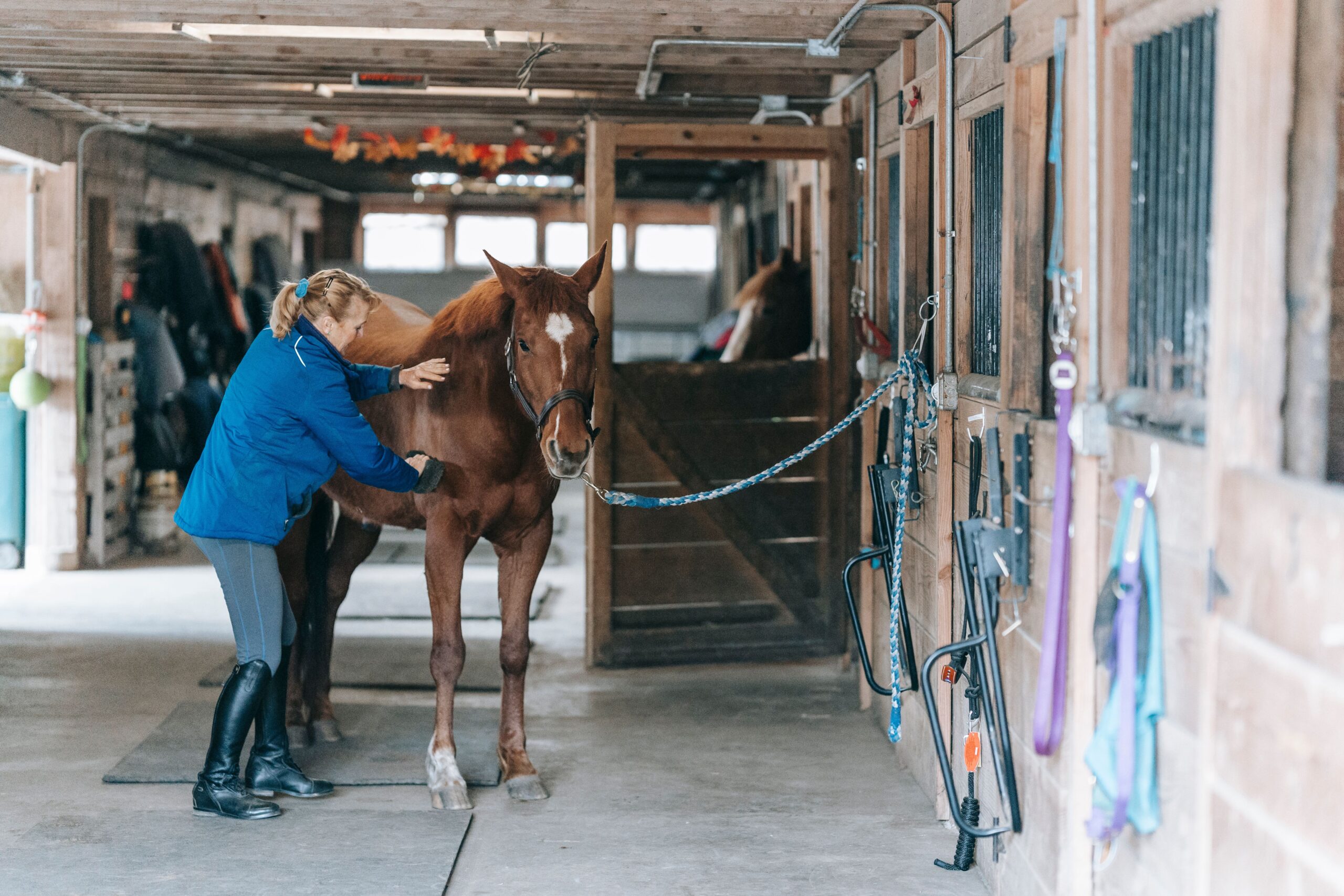
What Does Owning a Horse Really Cost?
The honest arithmetic of keeping a horse, not just buying one.
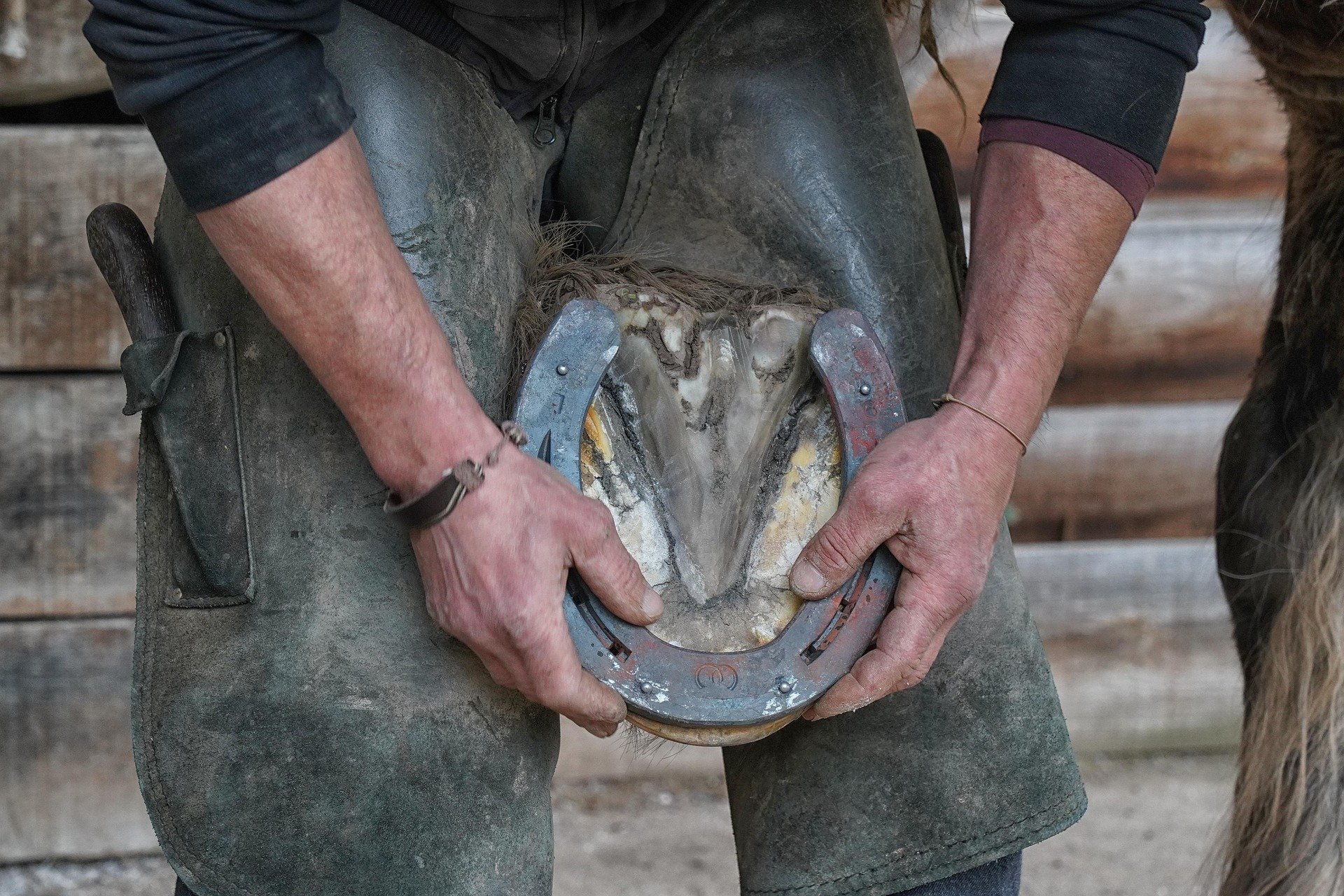
How Often Should a Horse See the Farrier?
Setting up the right farrier cycle from the start.