Your New Horse: The First 30 Days
The first month sets the pattern for everything after.
What actually needs to happen, in order, from the day before arrival to the point it feels like your horse.
Most new horses are polite and quiet for the first fortnight.
Real character usually shows somewhere between weeks two and six.
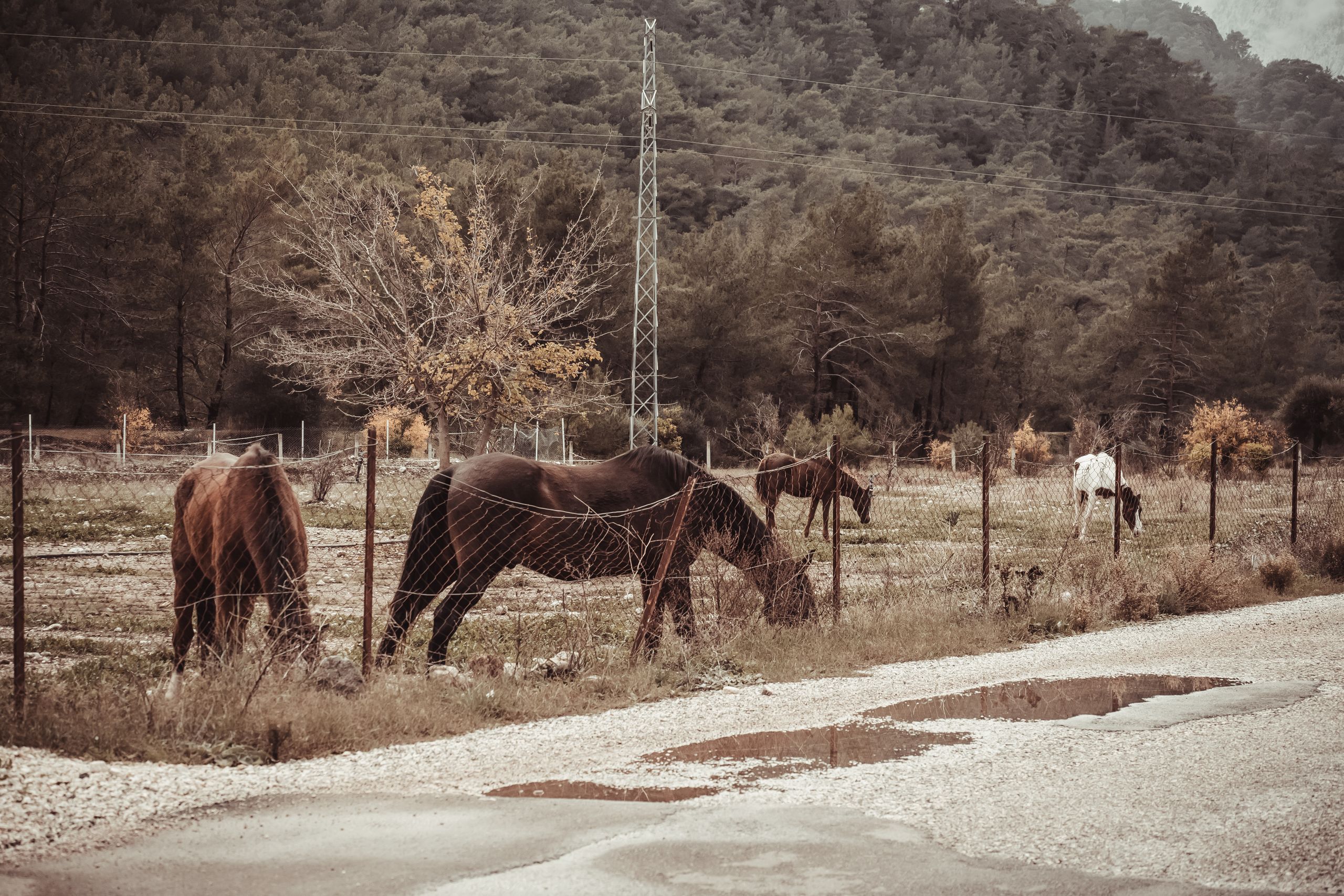
Most of what makes the first month go smoothly is done before the horse steps off the lorry. Work through this in order: preparation, the arrival itself, the settling-in fortnight, and the administrative jobs that have deadlines whether you notice them or not.
Before it arrives
- ✓ Field securely fenced and walked for gaps, wire and hazards. Stable checked for protrusions and loose fittings
- ✓ A quiet area to settle for the first days, within sight and smell of other horses but not thrown straight into a big herd
- ✓ Working water source, tested, hay ready
- ✓ A calm, established companion identified for introductions
- ✓ Its current hard feed, and enough to transition over one to two weeks
- ✓ The current routine written down: turnout hours, feed times, rug regime, quirks
- ✓ Outgoing farrier, vet and dentist details, and when each is next due
- ✓ The passport physically in your possession
Day one
Bring it home quietly. This is the one day everything else follows from.
- ✓ Travel and unload in daylight if you possibly can
- ✓ Let it stand, offer water and a little hay, don’t rush it
- ✓ Walk the field boundary with it in hand before you turn it loose
- ✓ Introduce the companion over a fence first, then together in a large space
- ✓ No riding, no fuss, and don’t invite the whole yard to meet it
- ✓ By evening: is it drinking, passing droppings, and settling? Note anything that looks off
The first week
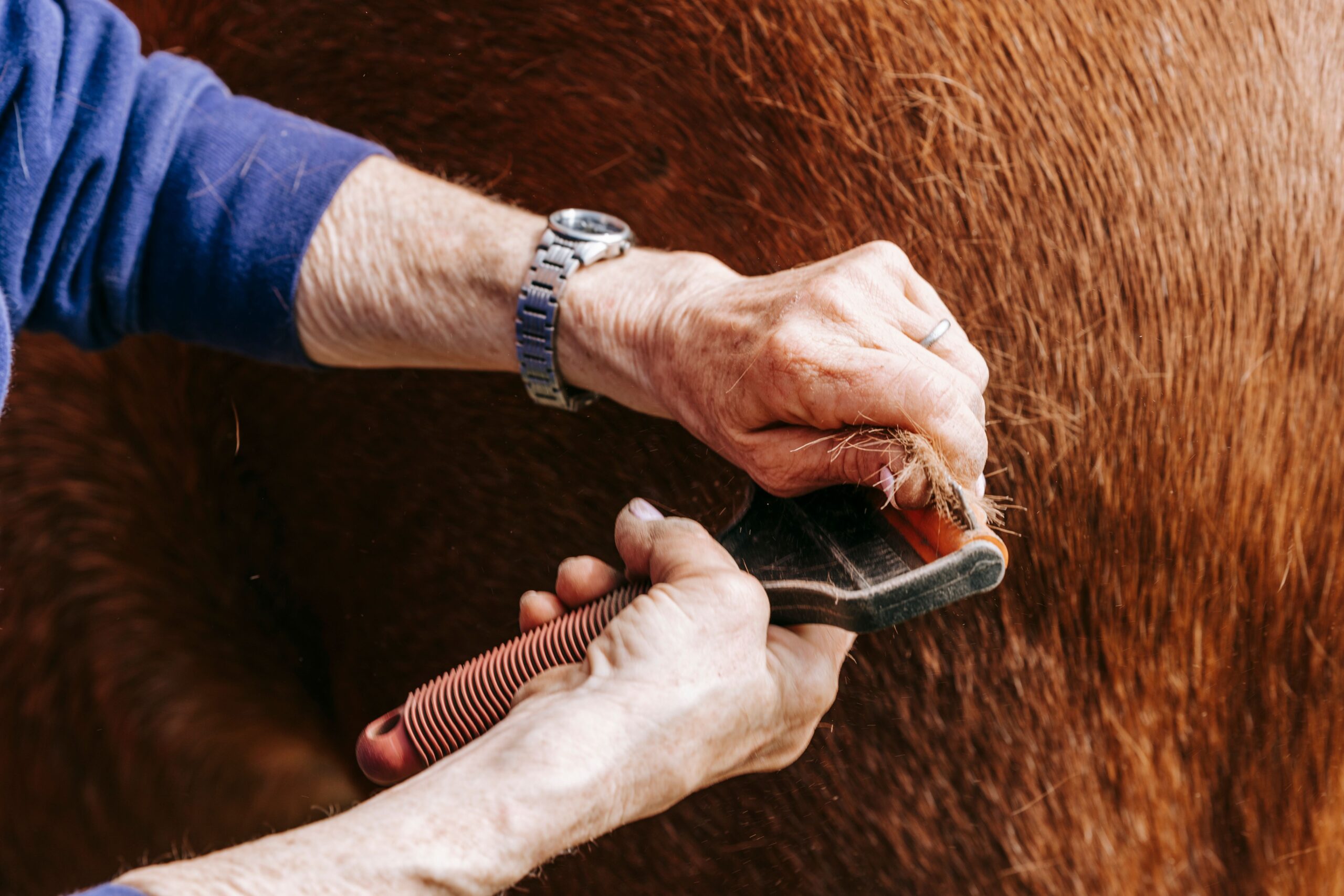
Keep its world as close to the old one as you can, and change things one at a time.
- ✓ Hold the old routine at first. Shift feed times and turnout hours gradually
- ✓ Light handling and short in-hand walks, build up slowly
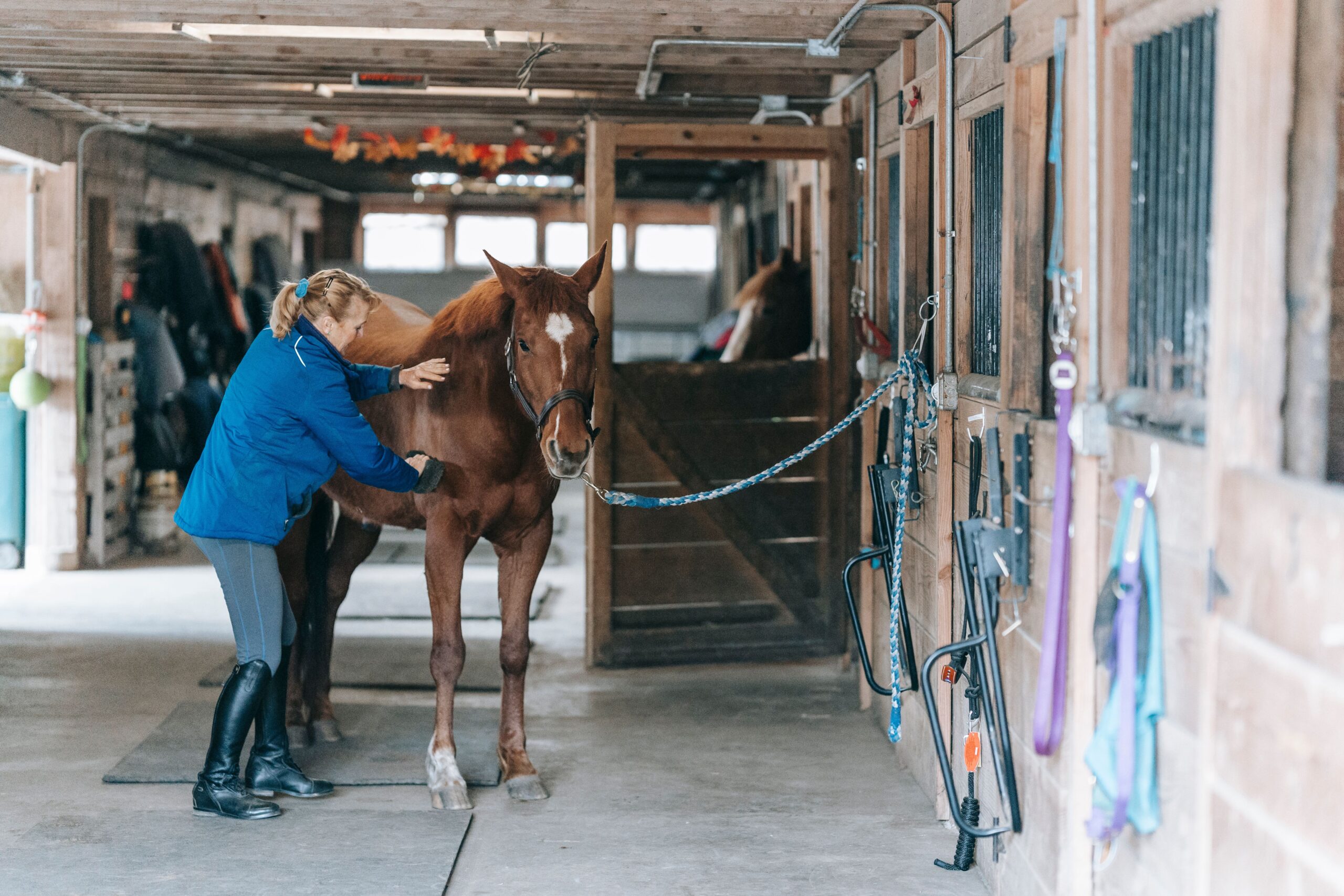
- ✓ Check feet, legs, appetite and droppings every day, the grooming health-check habit
- ✓ A worm egg count on arrival and treat on the result, or an agreed quarantine dose, before it fully mixes with resident horses
- ✓ Watch temperature and demeanour for a few days in case a bug travelled with it
First-month admin
These have deadlines. Do them in the first weeks, not when you get round to it.
- ✓ Register with a local vet
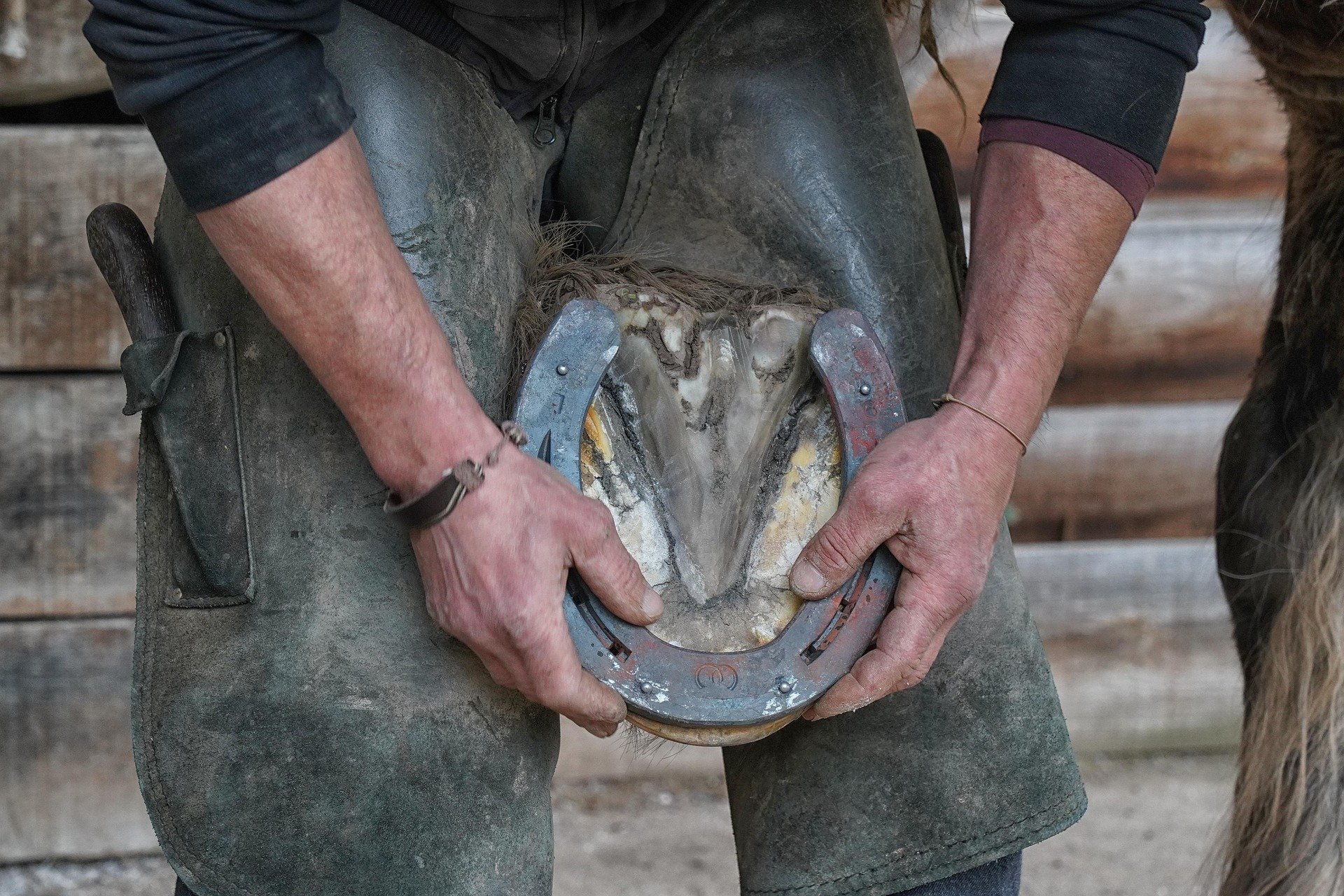
- ✓ Book the farrier onto your regular cycle. Book the dentist if due
- ✓ Start insurance from the date of purchase, vet-fee cover excludes pre-existing conditions, so a gap matters
- ✓ Transfer the passport into your name with the issuing body
- ✓ Update the microchip registration to your details
- ✓ Transfer any breed or competition registration
- ✓ Get the livery agreement and yard rules in writing
- ✓ Set a monthly budget line for the recurring costs, see what owning a horse really costs
Settling in for real
Give it time before you judge it. The horse you meet in week one is on its best behaviour.
- ✓ Start ridden work gradually once it is eating well and relaxed in the field
- ✓ Book a saddle-fit check once it has settled and any travel weight is back on, see saddle fit basics
- ✓ Don’t change feed, yard and workload all at once, you won’t know which caused a problem
Worth knowingChange one thing at a time. Feed, yard and workload all at once, and a problem in week three has three possible causes.
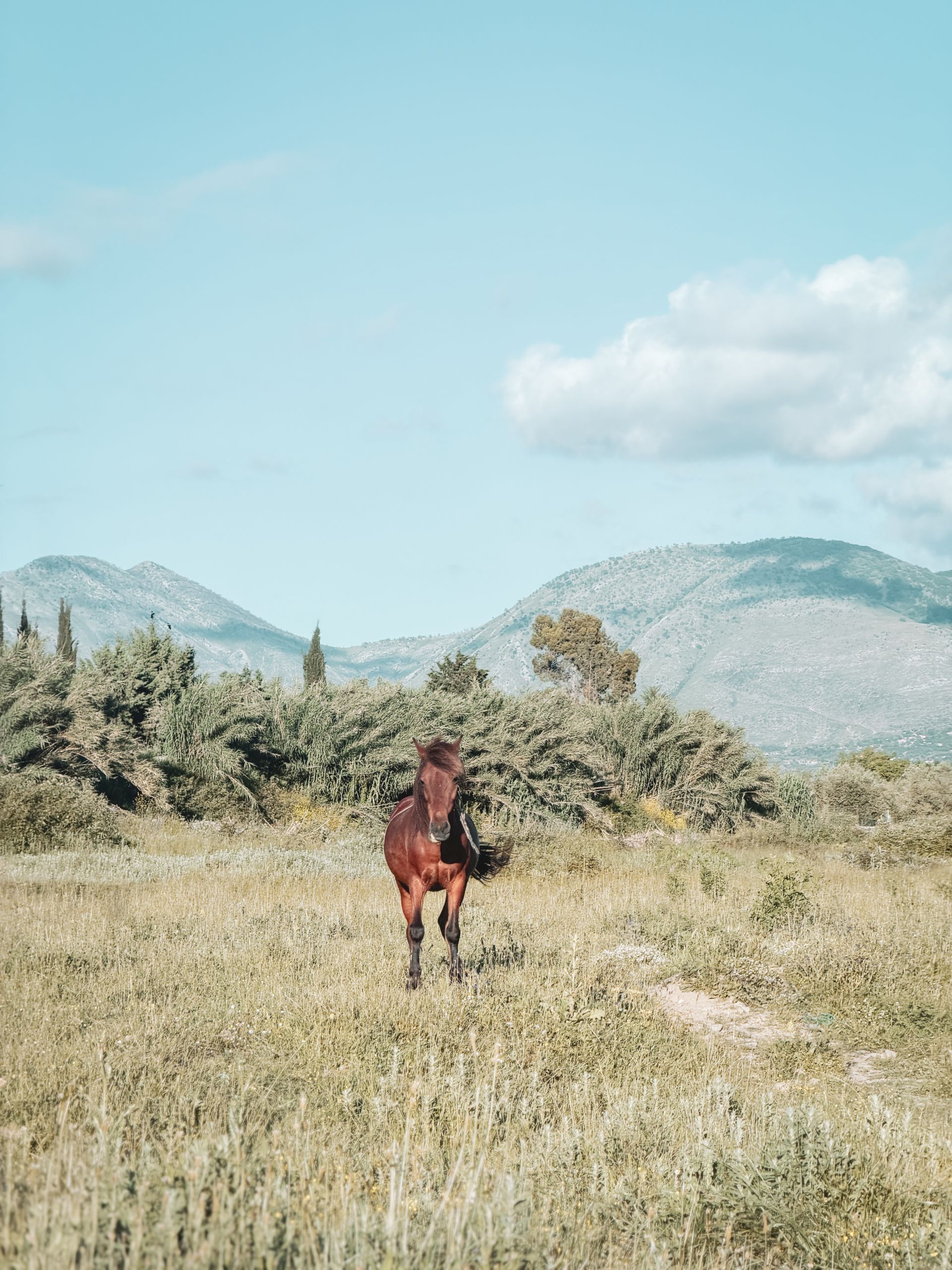
- 01Before: safe space, a quiet settling area, a companion, feed continuity from the seller, and the passport in hand.
- 02Day one: unload in daylight, water and hay, walk the boundary in hand, introduce the companion carefully, no riding.
- 03First week: hold the old routine, handle lightly, daily health checks, a worm egg count before mixing with resident horses.
- 04First month: vet registration, farrier and dentist booked, insurance started from purchase, passport and microchip transferred, livery in writing.
- 05Settling: ride gradually, saddle-fit check once settled, change one thing at a time, and expect the real character at weeks two to six.
General guidance, not veterinary or legal advice. Quarantine, worming, insurance and passport-transfer requirements vary, confirm the current rules for Spain and take your vet’s advice for your yard.
What Does Owning a Horse Really Cost?
Horse Hoof Care: What Owners Should Actually Know