Which Turnout Rug Does Your Horse Actually Need?
The real first question isn’t which rug.
Most rug ranges are built for a colder climate than Mallorca’s. Before choosing weight or waterproofing, ask whether your horse needs one at all.
Before weight or waterproofing, ask whether this horse needs a rug at all.
Mallorca’s winters are milder than most rug ranges assume.
This is the quick decision guide, starting from whether this horse needs a rug at all. For waterproofing, denier and fill, neck options and fit, read the full guide: How to Choose the Right Turnout Rug.
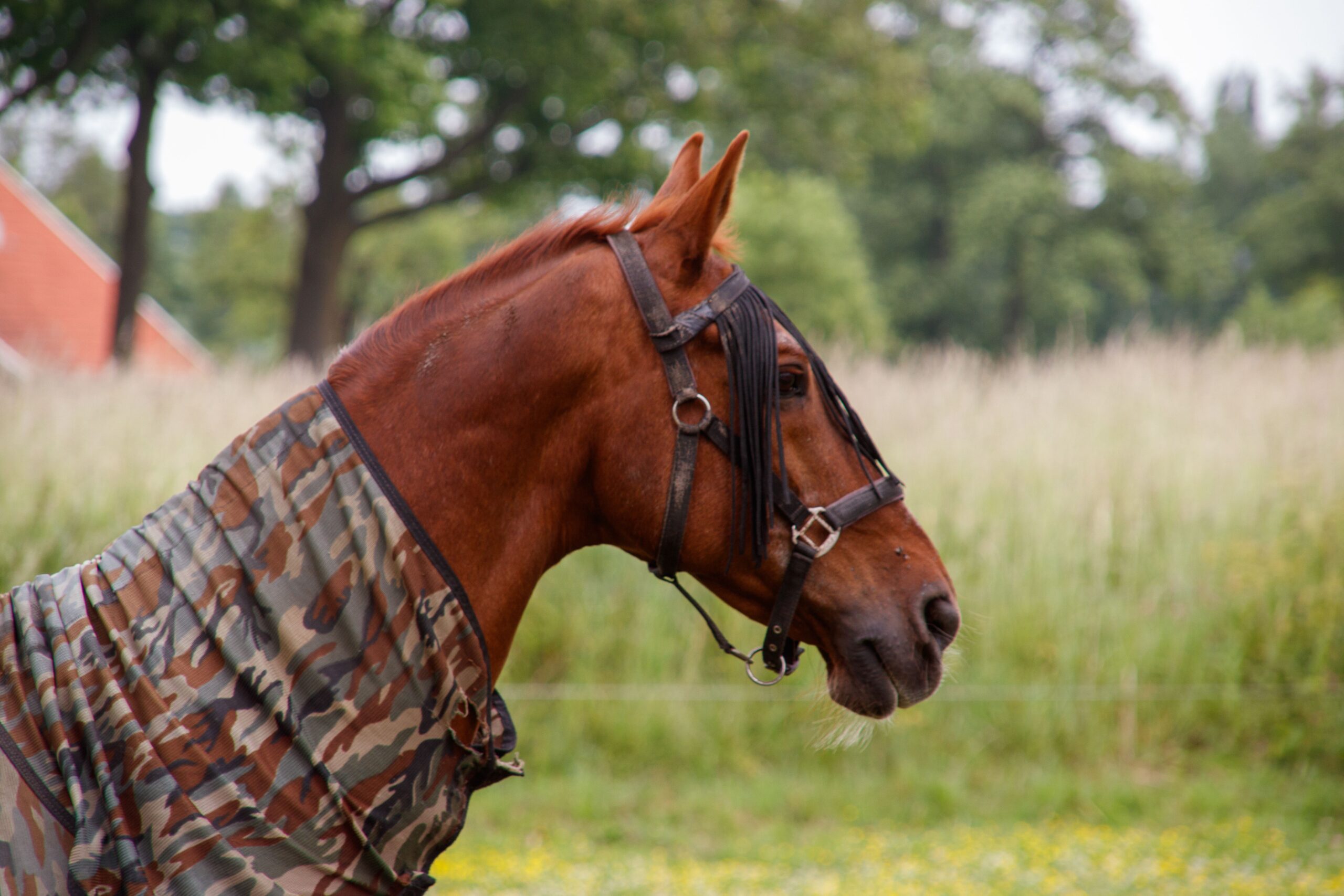
Our full buying guide covers how to read the label once you know a rug is needed. This one comes first: the question that decides everything else, and that most rug advice skips because it assumes the answer is already yes.
Start by asking if this horse needs one at all
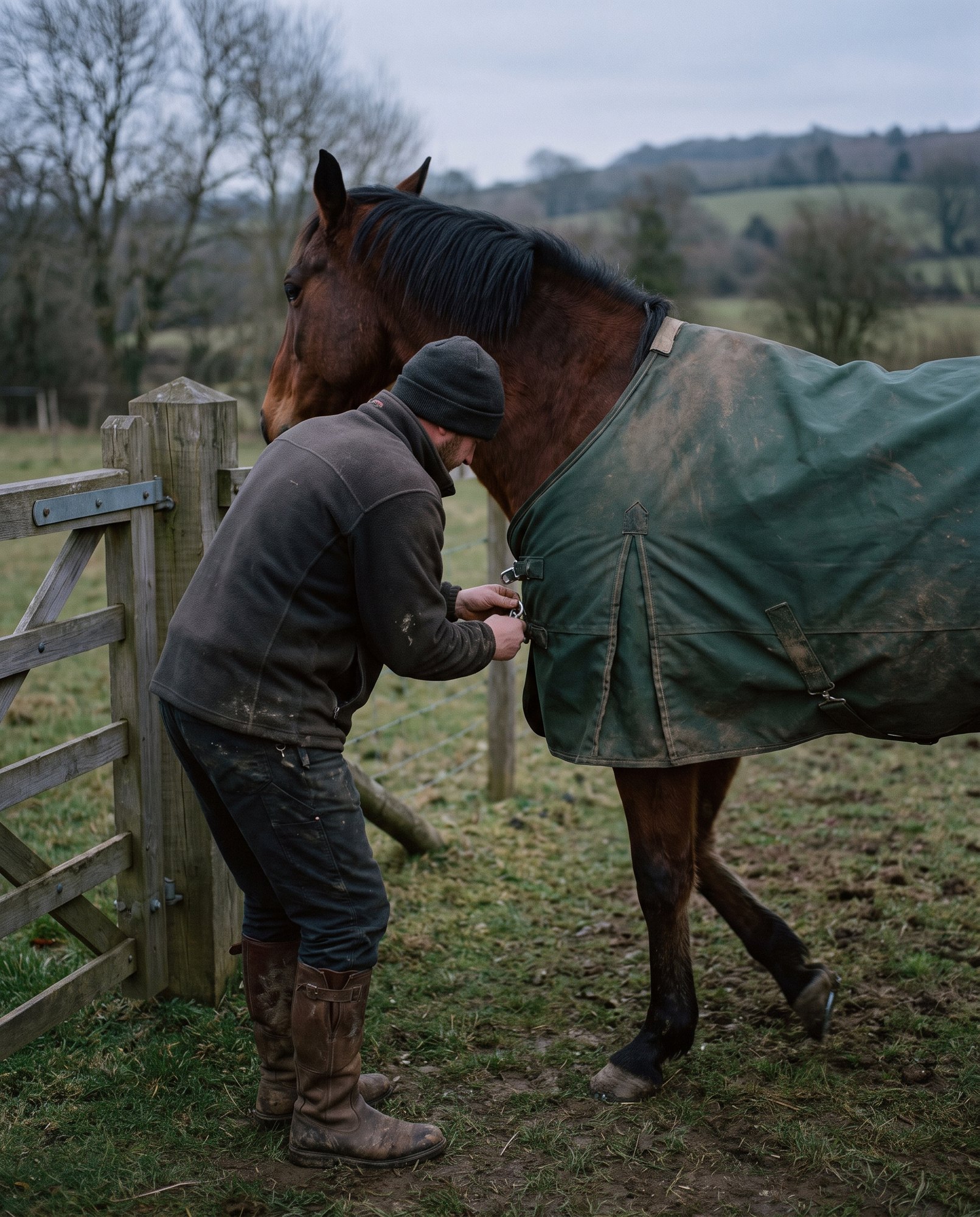
A healthy, unclipped horse acclimatised to its climate, carrying a normal coat and with somewhere to get out of the wind and rain, copes with cold far better than most owners expect. Mallorca’s winters are mild by most horse owners’ standards, genuinely cold, wet spells are short and infrequent rather than the settled months-long cold a rug range is often designed around. If your horse is unclipped, lives out with access to shelter, and isn’t old, underweight or clipped for competition, the honest starting answer for much of the year is that it may not need a rug at all.
The situations that genuinely change the answer
A handful of real factors do tip the answer towards rugging, whatever the general climate. If none of those apply, a rug is more likely to be about the owner’s comfort watching the horse in the field than the horse’s actual need, a fine reason to buy one, just worth being honest about which reason it is.
- Clipped for winter work or competition, and has lost its own insulation with the hair
- Older, underweight, or less able to regulate its own temperature
- No real shelter from wind-driven rain
- A breed with a naturally fine coat, never built for cold, wet conditions
If you do need one, weight is usually lighter than you’d think
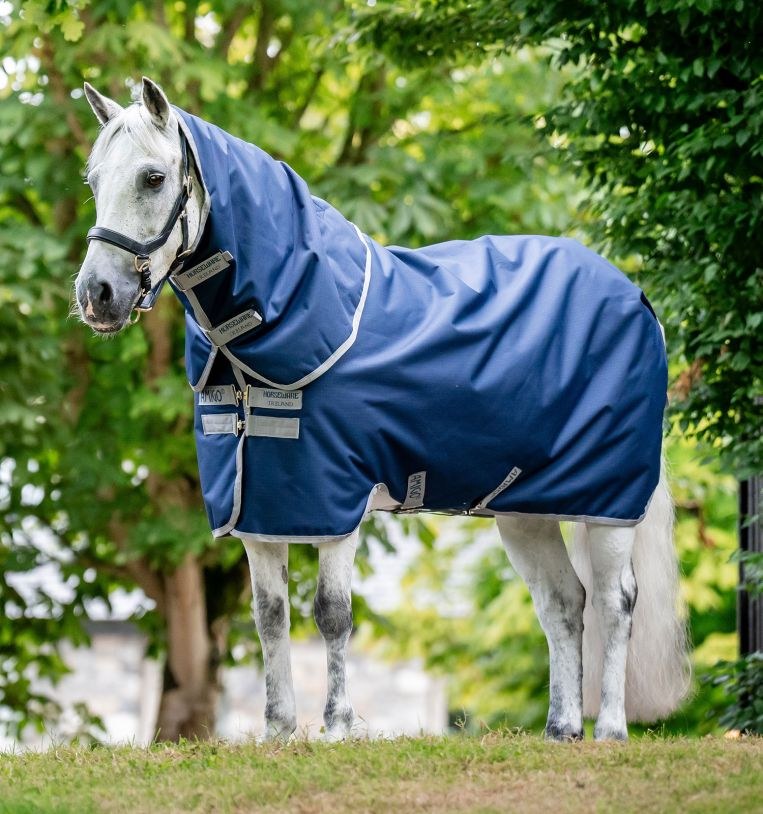
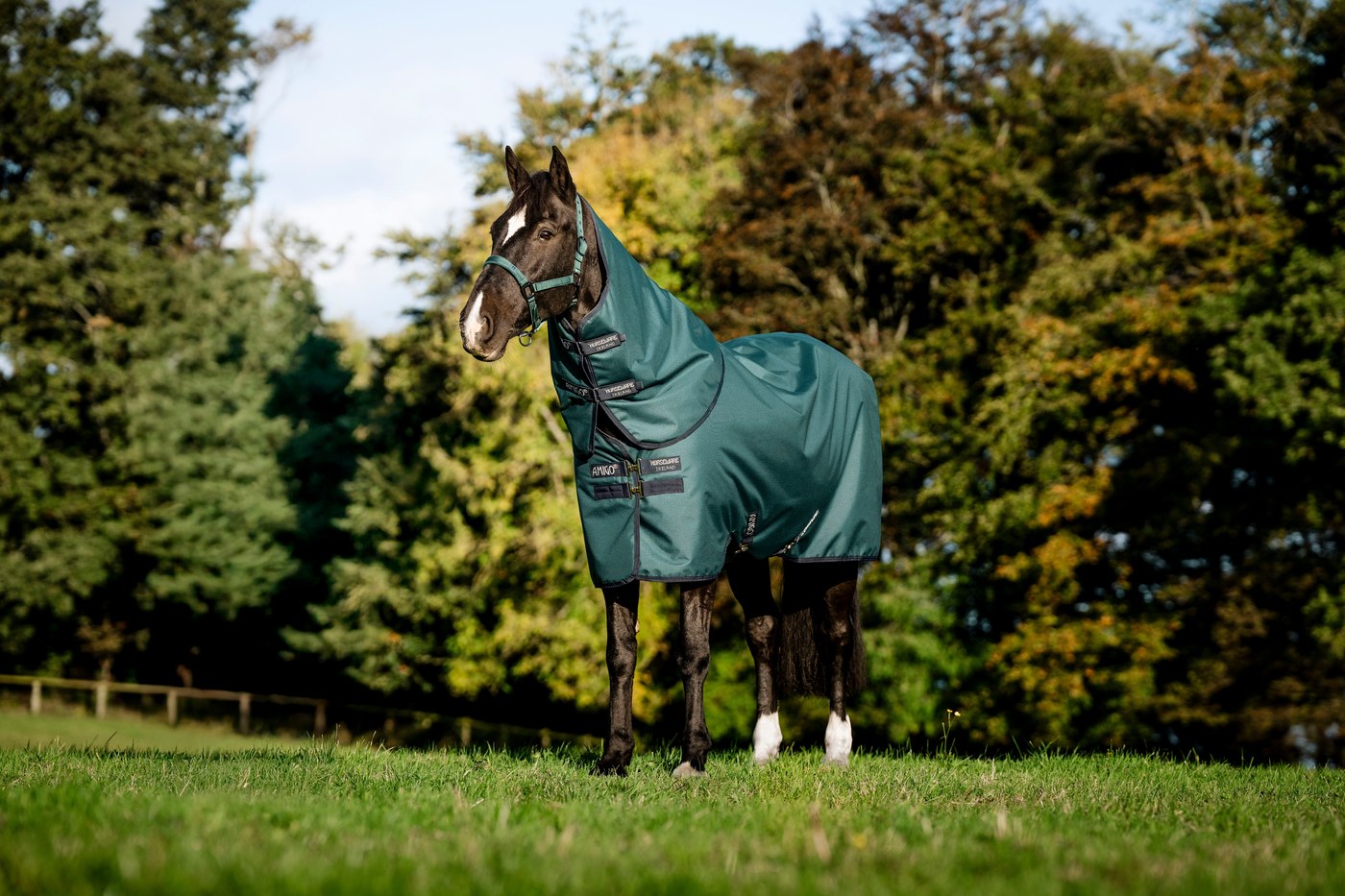
Fill weight describes how much insulating material is inside a rug. A lot of the range on a typical retailer’s shelf is built for a settled continental or northern-European winter, and buying to that range here usually means over-rugging. For most Mallorca horses that do need a rug, a lightweight, unfilled, or low-fill (0g to 100g) waterproof covers the genuine need for the wetter, windier weeks. A mid or heavy fill is rarely called for outside a clipped horse’s coldest working weeks.
A horse sweating under too heavy a rug on an unexpectedly warm winter afternoon loses condition and comfort just as surely as one left without cover on a genuinely cold night.
Waterproofing matters more than warmth
A dry horse in still air copes with far more cold than a wet one in a breeze. Rain collapses the coat’s own insulating layer and wind strips warmth away fast. Mediterranean winter rain tends to arrive as short, sharp, wind-driven spells rather than settled all-day drizzle, which makes hydrostatic head and a genuinely wind-resistant outer more relevant here than fill weight on its own.
The honest answer for most horses here
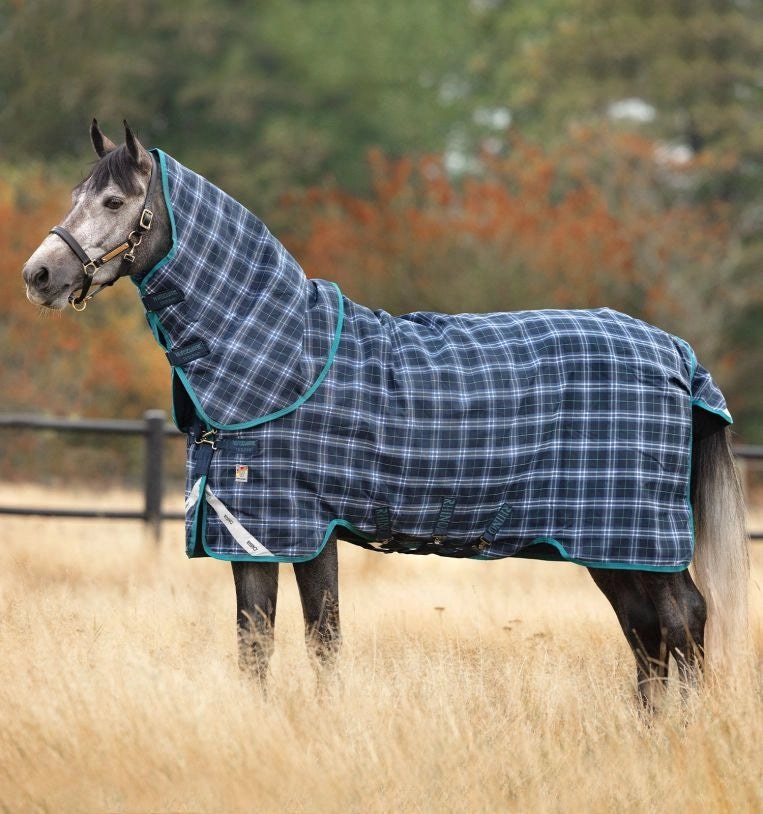
For an unclipped, healthy horse with shelter, living in this climate, the honest answer is often no rug for most of the year, and a single lightweight waterproof for the handful of genuinely wet, windy weeks in winter. Clipped horses, older horses, and horses with no real shelter are the real exceptions, and worth rugging properly rather than lightly. Everyone else is usually better served by a good field shelter than a wardrobe of rugs built for a colder place.
Most rug ranges are built for a colder climate than this one. The most common mistake here isn’t buying the wrong rug, it’s buying one at all.
General editorial guidance, not veterinary advice. Check any rug on the horse and monitor for rubs. Take decisions for a clipped or unwell horse with your vet.
Buying Guides
How to Choose the Right Turnout Rug
Matching denier, fill and cut to the horse and the weather.
 Shop & Gear
Rugs & Turnout
From a 0g rain sheet to a heavyweight, with the weights decoded.
 Horse Care
Rug Season Timeline: What to Do, and When
The rug year in five phases, not one October decision.