Cooling a Horse in Real Heat: Legs, Body and Timing
What to cool, for how long, and in which order.
In August the question is not whether to cool a horse but what to cool and when. The legs and the body have different answers, and only one of them has a temperature you cannot see.
Cool the legs because tendon core temperature is the risk you cannot see, cool the body with water and moving air, and do both once the horse has stopped blowing.
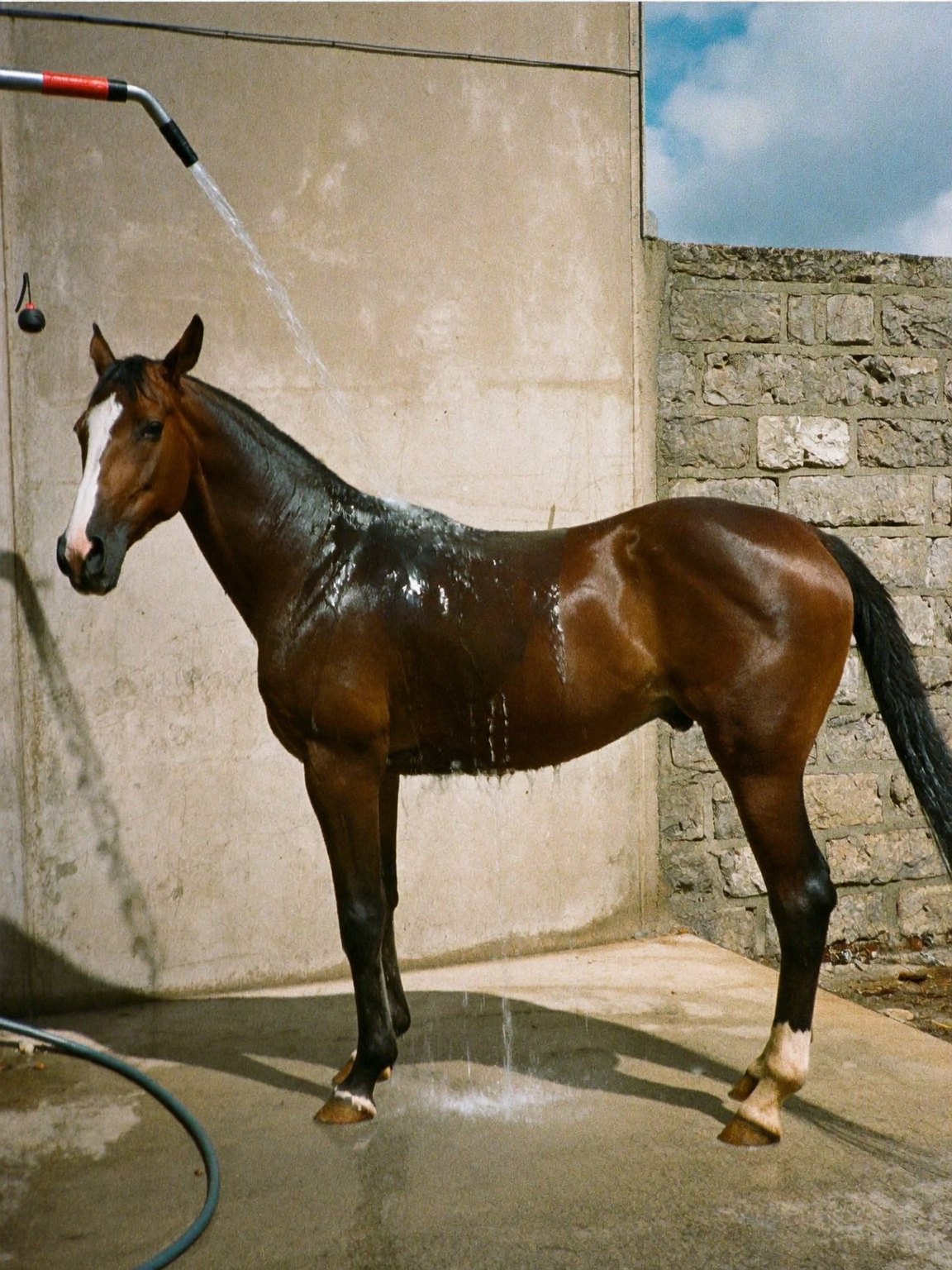
Why the legs matter first
Tendons heat up from the inside. Core temperatures around 45 °C have been recorded in the superficial digital flexor tendon of exercising horses, and laboratory work on tendon cells has shown that heat at those levels reduces cell viability. That is the actual argument for cooling legs after hard work: not the swelling you can see, but a temperature you cannot.
How well a method works is measurable, and it has been measured. A 2025 study in Veterinary Surgery compared cooling methods on live horses and found that a compression cooling system reduced tendon core temperature faster and more consistently than ice boots. That does not make gel boots useless – it sets the expectation. A gel boot cools the surface well and the core more slowly, so contact and duration are the two things you control.
What that means in practice
Around twenty minutes per application is the window most manufacturers specify, Kentucky among them for the Cryo Ice Boots. Longer is not proportionally better and risks the skin; repeat rather than extend. After a hard effort, cold therapy is commonly continued in cycles over the following 48 to 72 hours.
Contact is everything. A boot that bridges over a bandage or sits loose is cooling air. And cold water is not obsolete: running water over the legs for ten minutes is old, cheap and effective – the boots exist because somebody has to hold the hose.
The body
A horse cools itself by sweating and by moving air over wet skin. Everything we buy either helps that or gets in the way. Evaporative cooling rugs, wetted before use, help in dry heat and do much less in humid, still air.
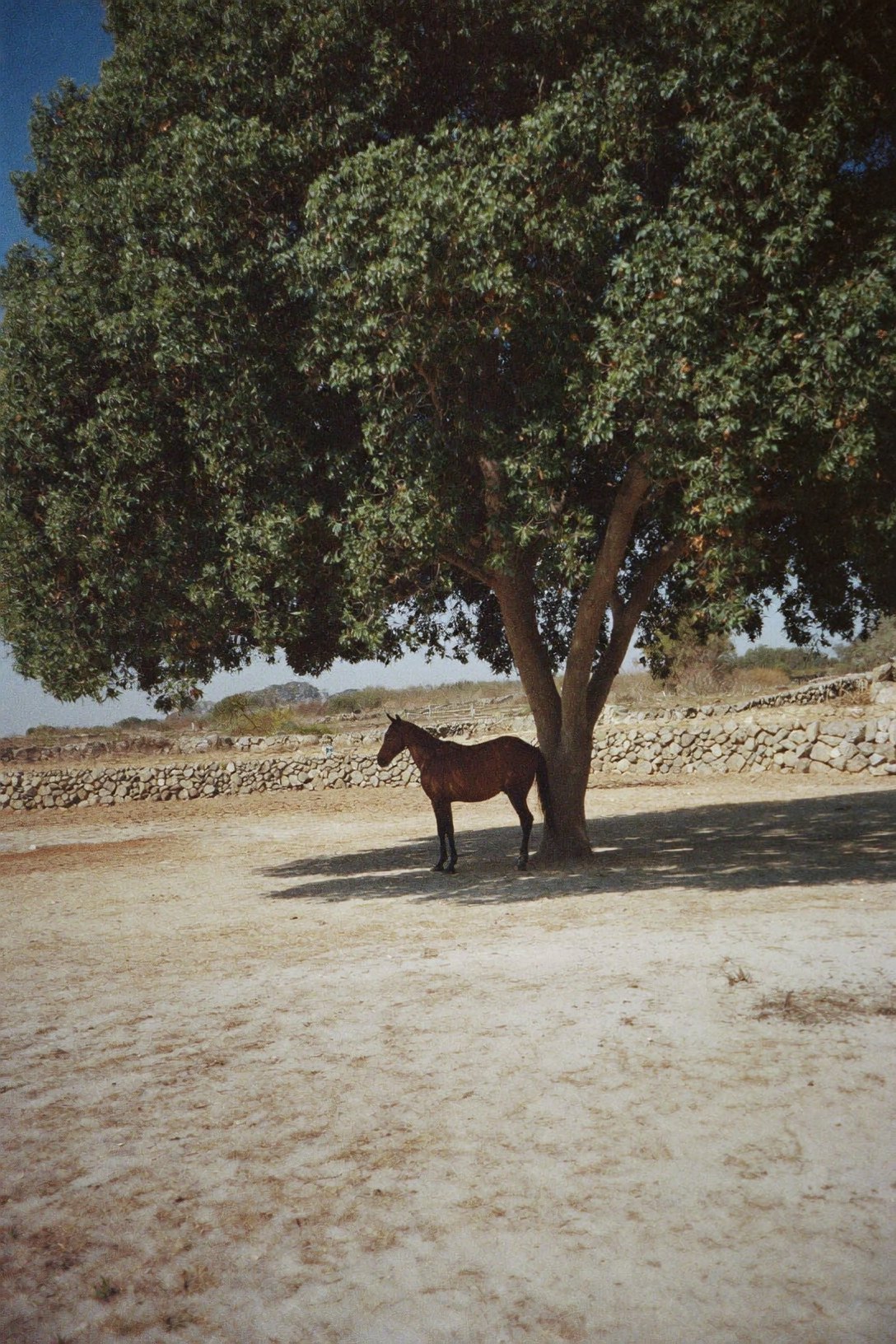
Moving air does more than fabric. A fan in the box or the lorry changes the evaporation rate directly, which is why a battery-powered unit is worth having on a yard where the socket is never where the horse is. Shade beats both: nothing in a catalogue substitutes for not standing in the sun at two in the afternoon.
Timing in a Mallorcan summer
Work early. Walk until the breathing settles rather than putting a hot horse straight in a box. Hose or cool the legs once the horse is calm, not while it is still blowing.
Let the coat dry before rugging anything on, and keep the water bucket fuller than you think you need to. A horse that sweats heavily for weeks also loses electrolytes, which is a feeding question rather than a cooling one.
What cooling is not
Cooling is management, not medicine. A leg that fills overnight, a lameness that appears after work, heat in a single limb: those are the vet’s questions, and a cold boot on top of them only hides the timeline.
It is also not a substitute for fitness. A horse worked beyond its condition in July will be sore whatever comes out of the freezer afterwards.
Twenty minutes of real contact beats an hour of a boot that does not touch the leg.
- Tendon core temperatures around 45 °C have been measured in exercising horses; heat at that level damages tendon cells.
- A 2025 study found compression cooling faster and more consistent than ice boots – gel boots still work, with realistic expectations.
- Around twenty minutes per application, repeated in cycles for 48 to 72 hours after a hard effort.
- For the body, moving air and shade do more than any rug.
- A leg that fills overnight is a vet question, not a cooling question.
General editorial guidance from published veterinary research and manufacturers’ documentation. Any suspicion of injury, heat in a single limb or lameness belongs with a vet.
Cooling a Hot Horse: Keep the Water On
Three to Ten Times: Horses and Heat on Mallorca