Back Protectors and Body Protectors for Riding: Adults, Children, and What the Standard Says
A back protector and a body protector look alike, but they are tested to different standards. Knowing which is which makes the choice easy: for everyday riding, for children, and for the day you ride cross-country.
A back protector is designed for the spine and coccyx in everyday riding; for cross-country there are body protectors to the equestrian standard EN 13158.
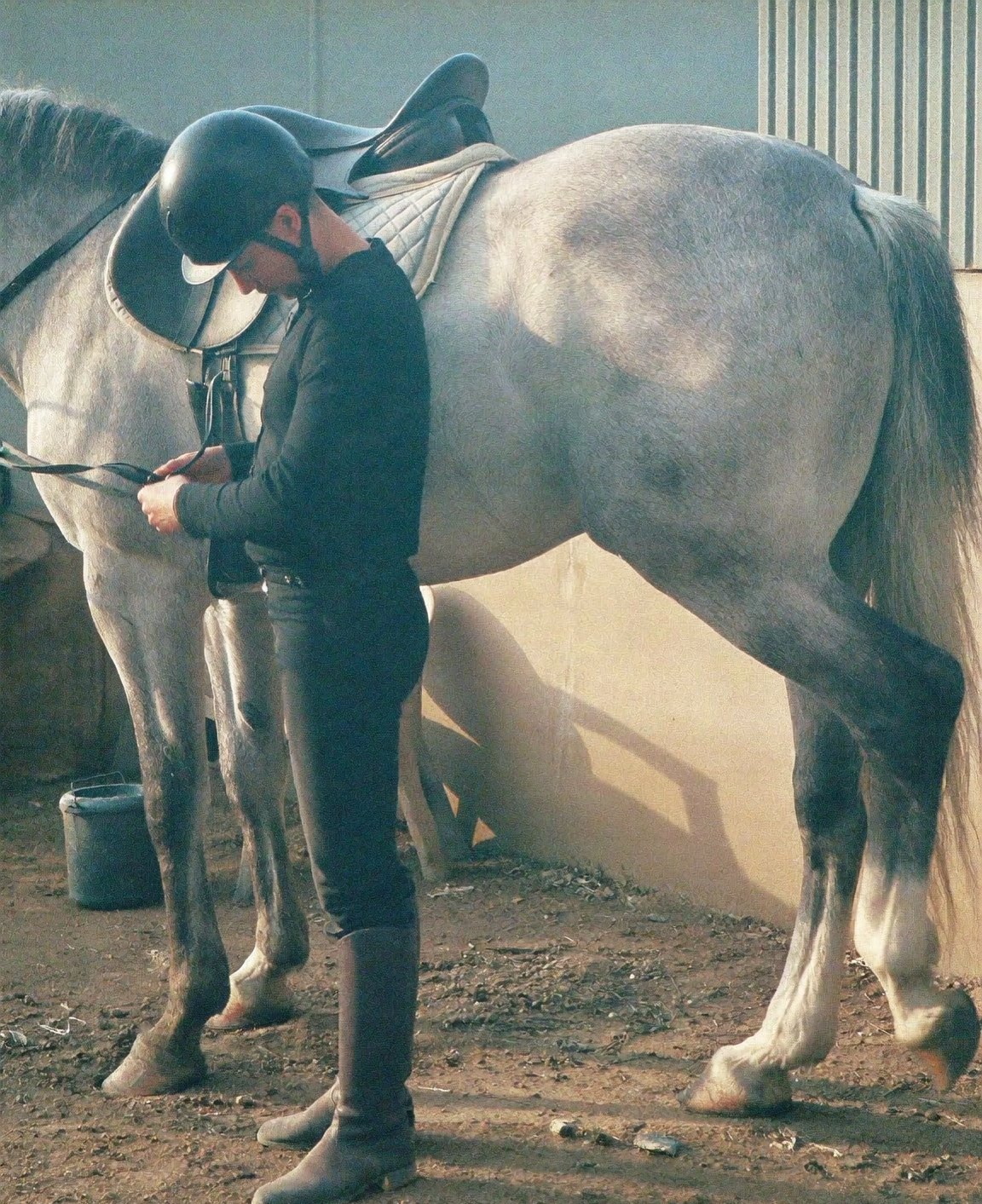
Back protector or body protector: the difference is in the standard
According to the retailer, Swing’s P06 and P07 back protectors are tested to EN 1621-2:2014, a standard for back protectors that comes from motorcycling. They are designed for the spine and coccyx.
A rider’s body protector is tested to the equestrian standard EN 13158. The retailer’s product notes name EN 13158:2000 and EN 13158:2009 for body protectors in eventing and cross-country. Check the rules of your own event before the start.
For daily schooling, lessons and hacking, the back protector is the lighter choice. For jumping cross-country, riders reach for a body protector.
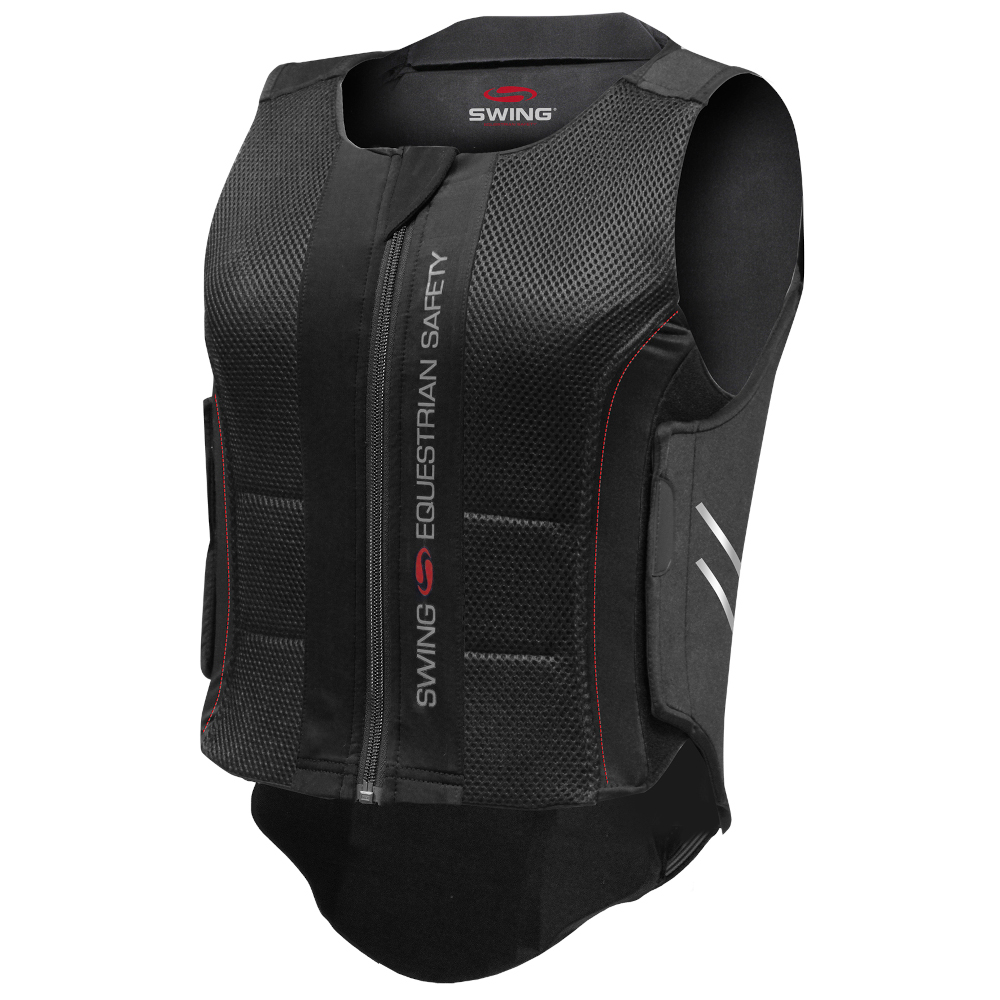
For adults: Swing P07 Flexible and P06 Flexible
The P07 Flexible is made from a light, flexible material that shapes to the body and, according to the maker, gives 360-degree protection for the spine and coccyx. A zip and two side Velcro straps make it adjustable.
The P06 Flexible uses high-tech materials for freedom of movement and has a front zip with a chin guard, so it goes on and off quickly.

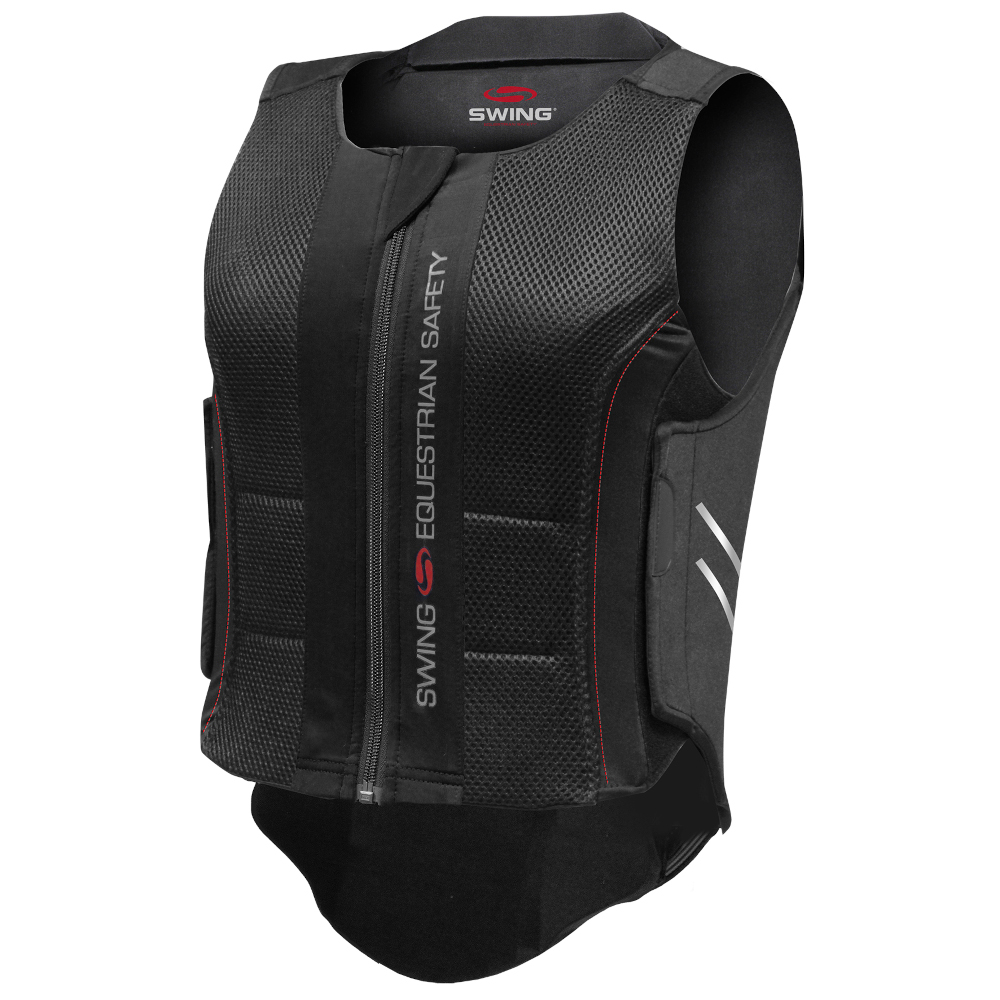
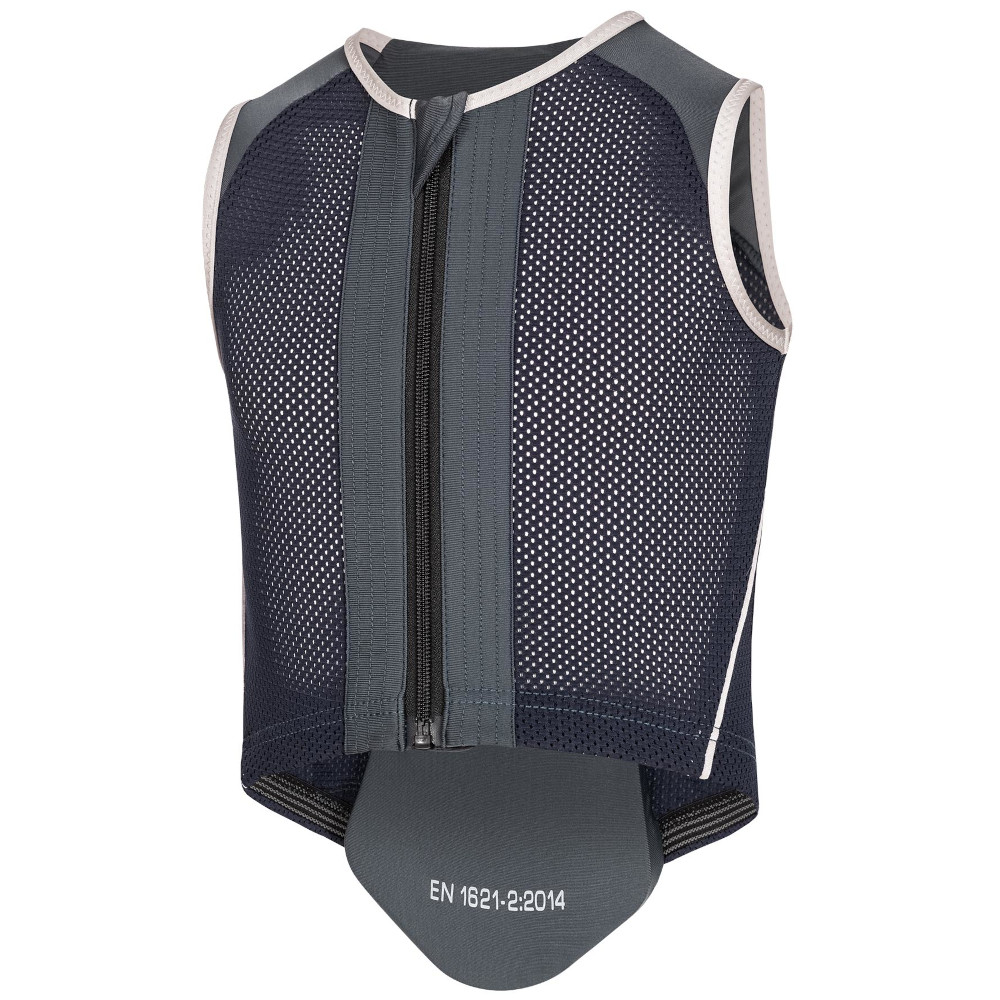
For children: Swing P07 Child and P06 Flexible Children
A protector children like wearing is one that gets worn. The P07 for children has the same light, flexible material and 360-degree protection as the adult version. The P06 Flexible for children is cut specifically for children, in a breathable material.
Children grow: check the fit again at the start of every season.
For cross-country: a body protector to EN 13158
For cross-country riding, TRI Equestrian carries the Racesafe Motion 3, for adults and as a Young Rider version. According to the maker, it meets BETA 2018 Level 3 and EN 13158:2018 Level 3, is built from over a hundred individually hinged segments and works with Racesafe’s Hybrid-Air system. The maker gives the weight as from 750 g (adult) and from 550 g (Young Rider).
 In the shopRacesafeMotion 3 Adult Body ProtectorView at TRI Equestrian →Affiliate link · Sold and shipped by TRI Equestrian. EU delivery €25, free from €150 (according to the retailer, checked 27.09.2026).
 In the shopRacesafeMotion 3 Young Rider Body ProtectorView at TRI Equestrian →Affiliate link · Sold and shipped by TRI Equestrian. EU delivery €25, free from €150 (according to the retailer, checked 27.09.2026).
Getting the fit right
- Close to the body without pressing; it must not shift when mounting or in a light seat.
- Length: protection has to reach the coccyx without hitting the saddle.
- Try it on in a riding position, not only standing.
- Sizes: the retailer shows the size chart per product; for body protectors, chest, waist and back length decide.
- After a heavy fall, check its condition and follow the maker’s advice on replacement.
Delivery conditions for your country are shown by Horse Shop and TRI Equestrian at checkout.
- A back protector (EN 1621-2) and a body protector (EN 13158) are not the same thing.
- Swing P07 and P06 are designed for the spine and coccyx, for adults and children.
- For cross-country there are body protectors to the equestrian standard EN 13158.
- Racesafe Motion 3: BETA 2018 Level 3 and EN 13158:2018 Level 3, for adults and young riders.
Product links on our page are affiliate links; the price is the same for you.