How to Choose a Riding Helmet
Fit, then certification. Everything else is preference.
A helmet that carries a current safety mark and fits your head is the whole job. Everything the price adds after that is comfort, not a higher pass mark.
Every hat is really two decisions, taken in order.
A current safety mark, then a fit to your head shape.
This is the full guide: standards, fit checks, common mistakes and when to replace. Short on time? Which Riding Helmet Is Right for You? is the quick decision version.
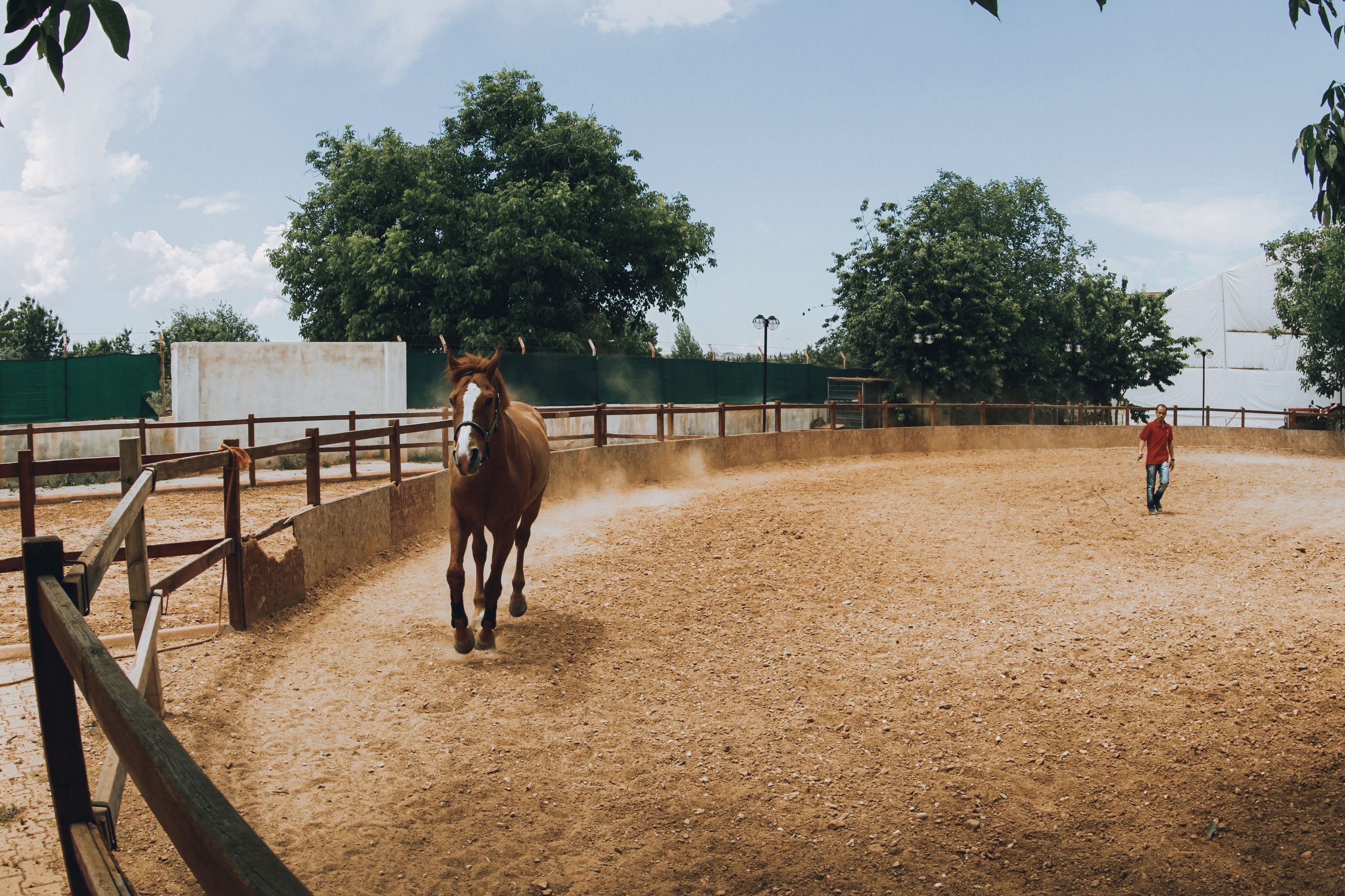
Buying a hat looks like a features decision, and the marketing encourages that. It is really two decisions, taken in order: does it carry a current safety certification, and does it fit the shape of your head. Everything else is preference.
What the standards certify
Every current helmet standard runs a similar core of tests: impact, penetration, and a check that the harness keeps the hat on. Each sets a threshold, and a helmet either passes or it does not. There is no score above the line, a hat is not 30% safer for costing three times more.
The current European standard. What most hats sold in Spain and the EU carry.
An interim European standard, widely accepted for general riding.
A higher-bar UK Kitemark standard. Often required at UK affiliated competition.
The US equestrian standard, accepted by US federations.
An additional voluntary mark for eventing and racing. E2016 is out of date.
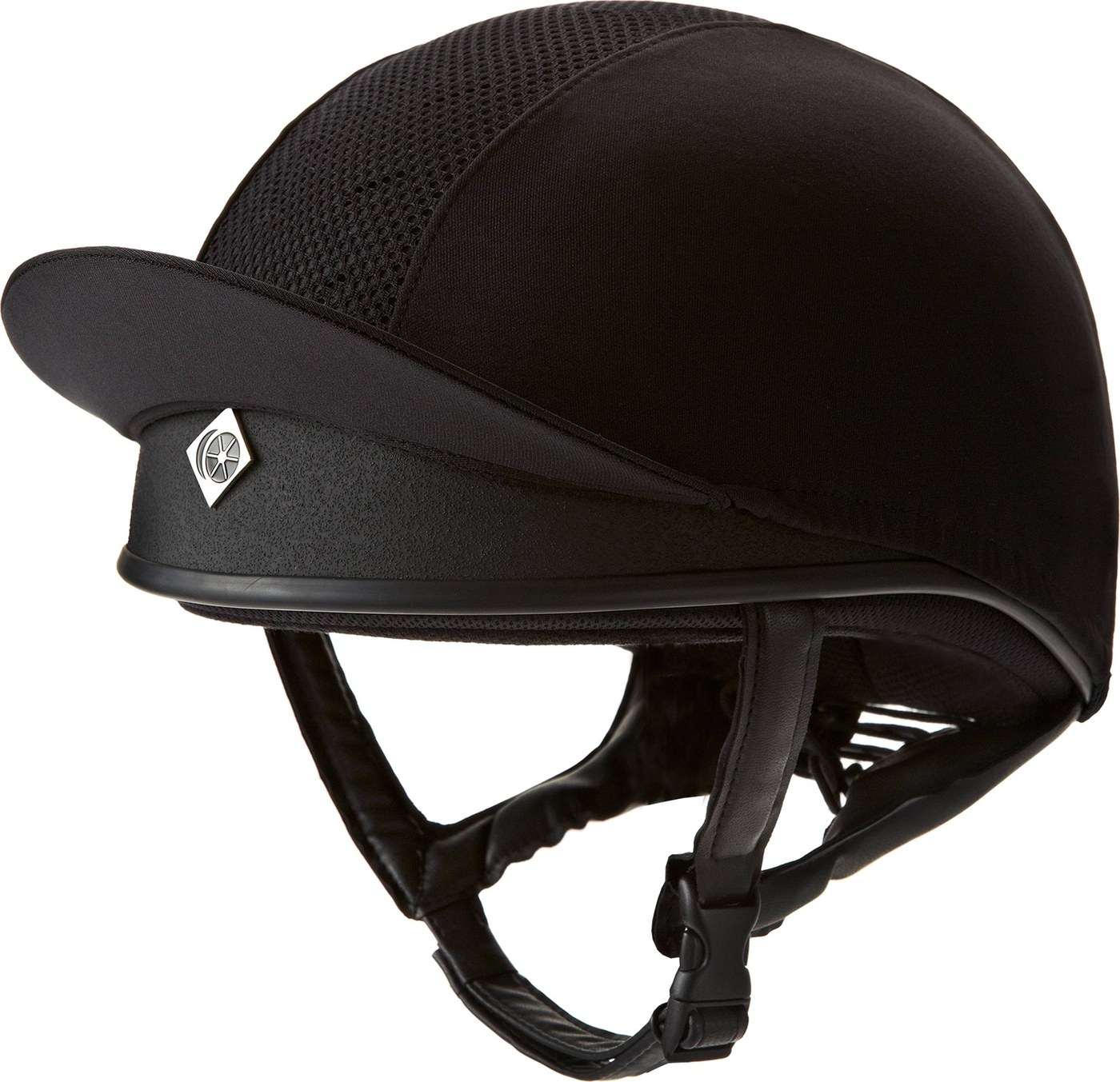 Charles OwenPro II PlusCertified to PAS 015:2011, VG1 and ASTM F1163, according to the maker.View at TRI Equestrian →
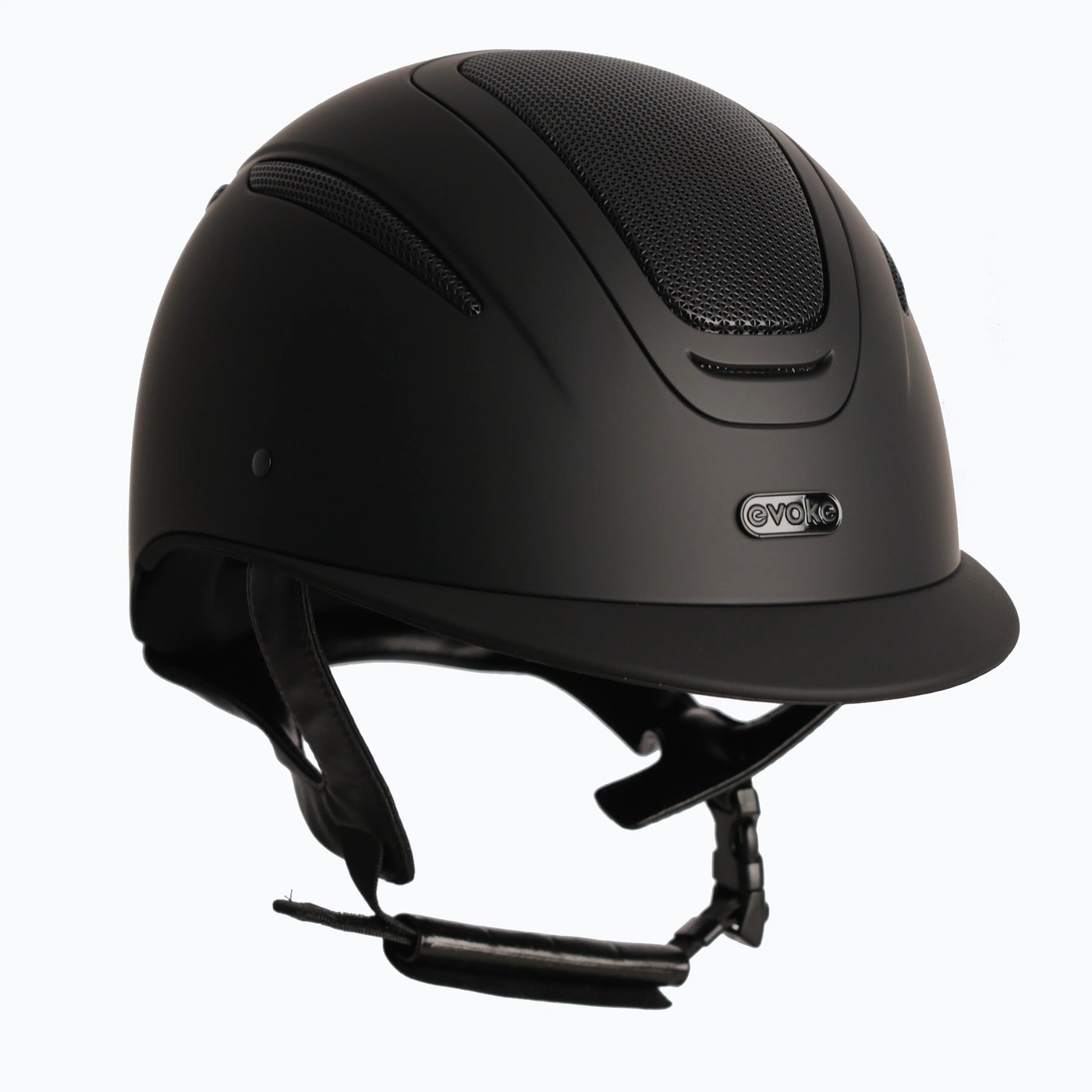 Premier EquineArtemis Matte Jockey SkullCertified to PAS 015:2011 and the new EN 1384:2023.View at TRI Equestrian →
 ChampionJunior X-Air PlusA junior hat that the maker states meets the three key international standards.View at TRI Equestrian →
The label inside the hat is the document that counts. Our product pages quote what the maker states.
Which standard for Europe
A hat carrying EN 1384:2023 or VG1 is the normal expectation, and a Kitemarked PAS 015 hat exceeds it. If you compete, your federation publishes its own accepted-standards list, check the current version rather than assume.
A hat certified only to ASTM F1163 is right if you compete under US rules, but may not be on a European federation’s list. If you ride under more than one system, buy a hat that carries several current marks, many do.
Fit is a shape problem
Measure your head with a soft tape around the widest point, about two centimetres above the eyebrows. That gives you a size band, and only a size band. The thing that decides whether a model actually fits is head shape: broadly round, intermediate, or oval, front to back. A hat too round for your head will rock no matter how tight the harness. One too oval will grip front and back and leave gaps at the sides.
The same stated size in two different brands can fit completely differently. This is the whole argument for a professional fitting.
Checking the fit yourself
The hat sits level, front rim about one finger-width above the eyebrows, not tipped back like a cap. Pressure should be firm and even all round with no single hot spot. Wear it for five to ten minutes, since pressure points take a few minutes to announce themselves. If the hat only feels secure once the strap is fastened, it is too big, the strap holds it on, it does not make it fit.
Fit check, harness undone- Level on the head, roughly 2.5 cm above the eyebrows
- No rock forward, back or side to side
- Moves the scalp when you waggle the shell, not sliding over it
- Even pressure all round. No single pressure point after 5–10 min
- Chinstrap under the chin, off the throat, one finger of slack
- Feels secure before the strap is done up
The mistakes that undo a good hat
A certified hat only protects you if the rest of the decision is right. These are the common ways riders spend the money and lose the benefit.
Buying it unseen
Ordered online on circumference alone. Might be the right size and the wrong shape, and you will not know until it is non-returnable.
Keeping a fallen hat
Worn through a fall, or dropped hard, then kept because it “looks fine.” The liner crushes once, invisibly.
Wrong region’s mark
A US-only ASTM hat for European competition, or a mark since withdrawn from your federation’s list.
Choosing on looks
Picked for colour or price, with head shape never considered. A beautiful hat in the wrong shape rocks or pinches every ride.
“It’ll wear in”
The foam gives a millimetre over the first few wears. A hat that is the wrong shape stays the wrong shape.
When to replace it
Replace a hat after any impact where your head struck the ground or a solid object, even with no crack, no mark and no headache. The liner is designed to crush on that first impact and does not recover. A hat that has done its job once looks identical to one that has not. Absent any impact, replace it roughly every three to five years from the date you started wearing it, sooner if it lives in strong sun and heat, as hats stored in a Mallorcan summer do.
If you are ever unsure whether a fall was hard enough to count, treat it as a yes. A replacement hat costs less than the injury a spent one fails to prevent, and many manufacturers run a discounted crash-replacement scheme for exactly this.
What the extra money buys
Once a hat is above the certification line and fits, more money buys real things, just not a higher pass mark: a wider range of shell shapes so more heads fit well, lower weight, better ventilation, a removable washable liner, a better harness, and MIPS, a low-friction rotational-impact layer with its own published test data. It also buys looks, which are allowed to matter as long as they come after fit.
Premier EquineArtemis Matte Jockey SkullThe entry point into a certified skull cap: EPS core and placed vents.View at TRI Equestrian →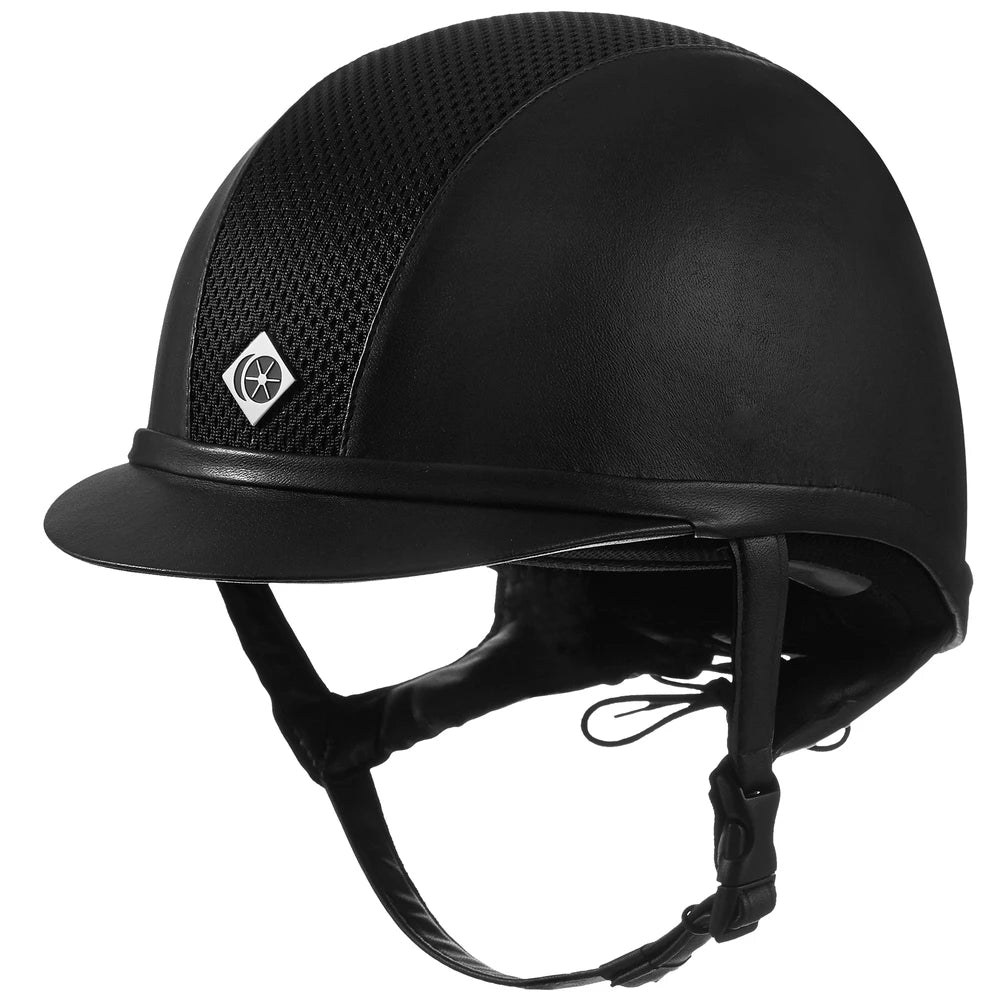 Charles OwenAYR8 Plus LeatherLookMid-range: 12 mesh-covered vents, vegan-leather panels, GRpx harness.View at TRI Equestrian →
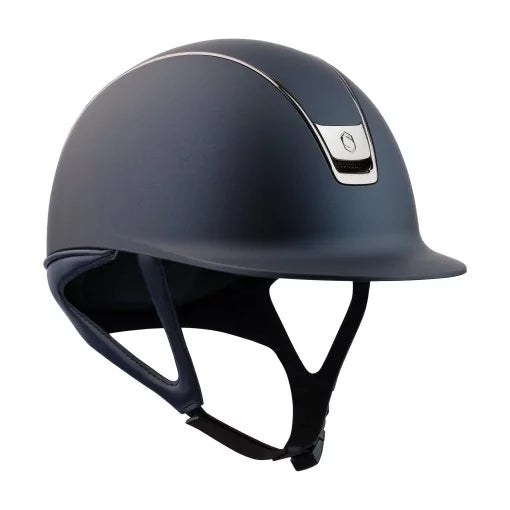 Samshield2.0 ShadowmattTop of the range: polycarbonate shell, variable-density inner shell. Sold as a shell, the liner is added separately.View at TRI Equestrian →
Three price points, one job. What changes is ventilation, materials and finish, not the pass mark.
Our safety-kit selection lists only hats carrying current EN 1384, VG1 or PAS 015 marks, grouped by head shape rather than by price.
A helmet is not 30 per cent safer for costing three times more. Above the line, you are buying fit and comfort, not protection.
Two decisions in order: a current safety mark, then a fit to your head shape.
All standards are pass or fail against a similar core of tests, there is no safety score above the line.
For Spain and the EU look for EN 1384:2023 or VG1. Competing? Check your federation’s current list.
Circumference gives a size band only. Head shape decides which model fits, get a professional fitting.
Fit test with the harness undone: level, no rock, even pressure, secure before the strap is fastened.
Replace after any impact to the head, and otherwise every 3–5 years from first use.
Above the line, extra money buys fit range, weight, ventilation and a liner, not a higher pass mark.
General editorial guidance, not a substitute for a professional fitting or your governing body’s current rules. Replace any helmet involved in a fall.
 Buying Guides
How to Choose the Right Turnout Rug
Matching denier, fill and cut to the horse and the weather.
Horse Care
Rug Season Timeline: What to Do, and When
Whether the horse needs a rug at all, and how to size one.
 Buying & Owning
What to Look for When Buying a Horse
The assessment that happens before any kit is bought.