Which Riding Helmet Is Right for You?
Less than the shelf suggests.
Every certified helmet meets the same safety floor. The real decision is what’s actually worth paying for above it.
A correctly fitted mid-range helmet protects better than an expensive one that sits wrong.
Fit is the decision. Everything else is comfort.
This is the quick decision guide. For the detail on standards, fit checks, mistakes and replacement, read the full guide: How to Choose a Riding Helmet.

Our full buying guide covers certification and fit in detail. This one is shorter and more direct: working out how much to spend once you already know a helmet has to be certified and has to fit: that is where most of the money gets spent unnecessarily.
Start with what it’s certified to
A helmet has to meet a recognised current safety standard, shown on a label sewn inside it, not printed on the box. This part isn’t really a decision: an out-of-date, damaged or uncertified helmet isn’t a cheaper option, it isn’t really an option at all.
MIPS and similar rotational-protection layers let the helmet shift slightly on impact, reducing the rotational force transmitted to the brain in an angled fall, a more common real-world impact than a straight-on one. A real feature, not a marketing label.
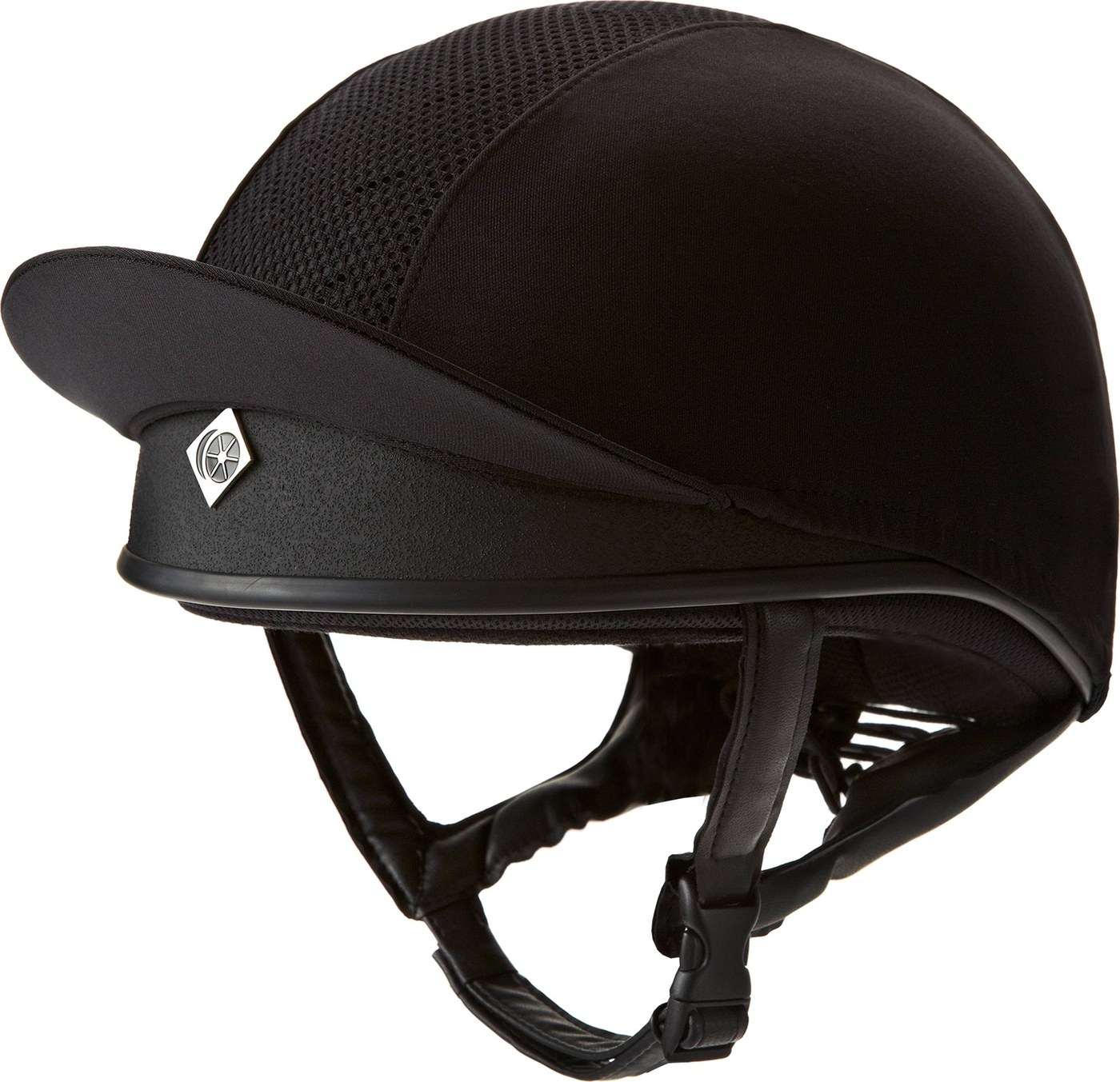
Think about what you actually ride
Most riding, hacking, flatwork, low-level dressage and jumping at home, needs nothing beyond a well-fitted, certified helmet. Some affiliated eventing and cross-country classes require an additional quality mark on top of the base standard: check your discipline’s current rules before you buy if you plan to compete.
Ride mostly in warm conditions and ventilation stops being a comfort detail: it becomes something you’ll notice every ride. A well-vented helmet worn properly fastened beats a slightly safer-feeling one left at home because it’s uncomfortable in the heat.
Fit beats every feature on the list
A correctly fitted mid-range helmet protects better than an expensive one that sits wrong. Head shapes vary between round and oval, and brands aren’t interchangeable: what fits a friend perfectly may not fit you at all, whatever it costs.
Try it on and wear it around a shop for ten minutes before deciding, not thirty seconds in front of a mirror. Discomfort that isn’t obvious immediately usually is by the second half of a real ride.
- Snug all round, no pressure points
- Sits level, two fingers’ width above the eyebrows
- Doesn’t shift when you shake your head firmly, harness done up
- Still comfortable after ten real minutes, not thirty seconds
What the extra money buys
Once a helmet meets the standard and fits well, price differences above that point are mostly about five things, and none of them are safety.
More pleasant to wear on a long ride.
A more secure, tailored fit for your head.
Noticeably cooler in warm conditions.
Removable and washable, hygienic for longer.
Looks and finish. No safety difference.
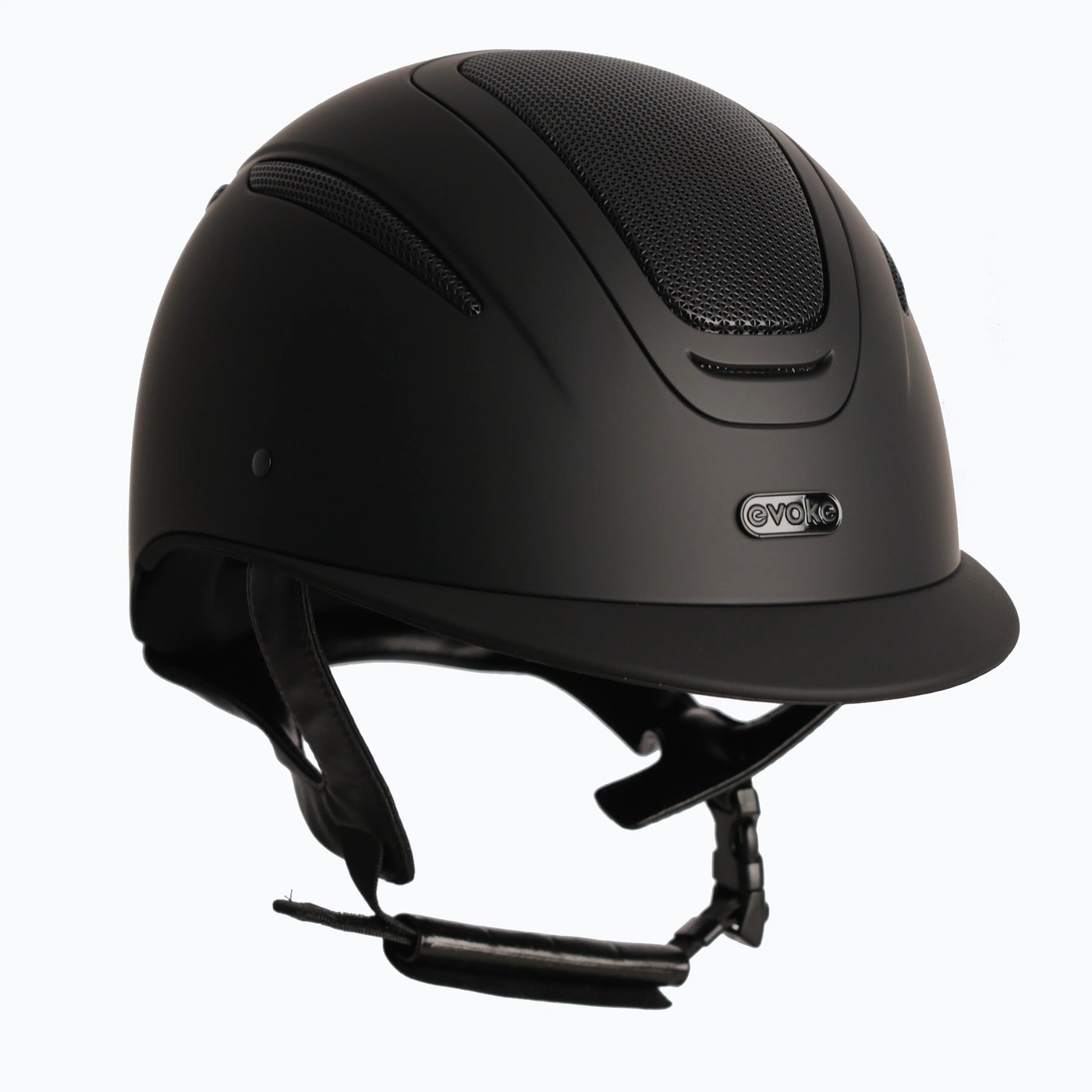 Premier EquineArtemis Matte Jockey SkullEntry level, certified.View at TRI Equestrian →
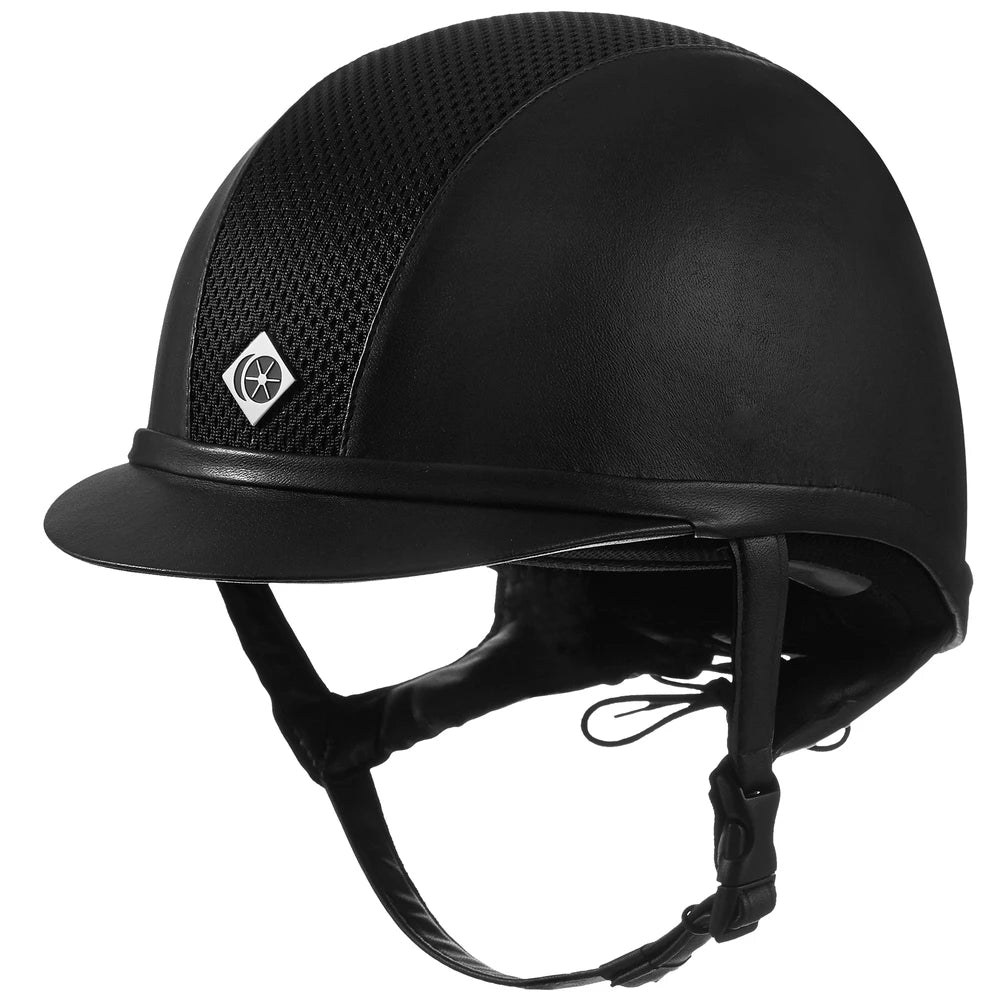 Charles OwenAYR8 Plus LeatherLookMid-range: ventilation, materials, GRpx harness.View at TRI Equestrian →
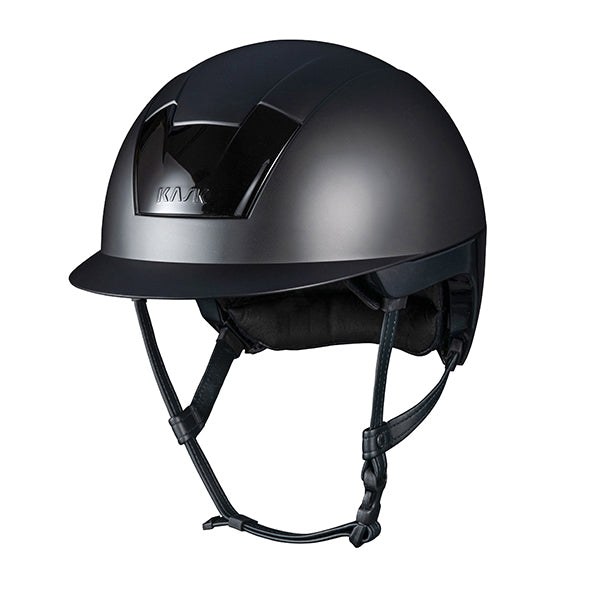 KASKKooki (shell)Premium shell. KASK sells shell and liner separately, size is set by the liner.View at TRI Equestrian →
The honest answer for most riders
If it meets a current safety standard, fits properly, and you’re happy to wear it snug on every ride, you very likely don’t need to spend more.
Your discipline has its own quality-mark requirement.
Ventilation changes whether you actually wear it snug.
Foam can be compromised with no visible damage. Replace it regardless of how it looks.
General editorial guidance, not a substitute for a professional fitting or your governing body’s current rules. Replace any helmet involved in a fall.