Stable & Yard Essentials: What Actually Earns a Place in Your Barn
Most of a good yard is free.
A small number of things reward spending more because they’re used every day. Here’s how to tell which is which.
Most of a well-run yard is free: a walk-round, a routine, a checklist kept to.
A few things reward spending more, because they’re used every day.
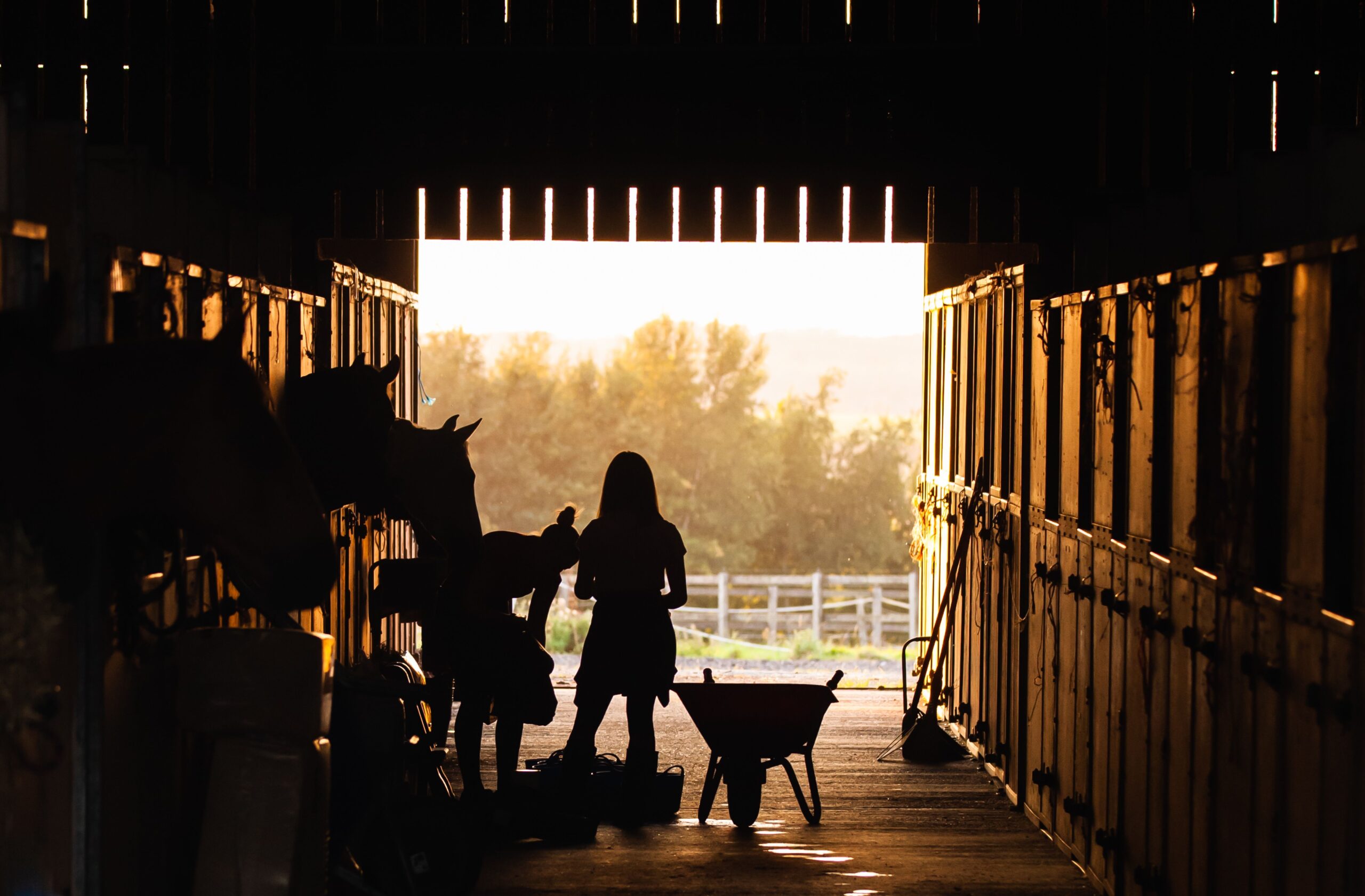
Use this when you take on a new yard or livery space, and then twice a year as a walk-round. Most of it is quick to check and cheap to fix. The few items that are neither, fire separation, electrics, a locatable address, are exactly the ones that matter on the worst day.
The non-negotiables
Some of this costs nothing but a few minutes, and none of it is really a buying decision, it’s a safety check that should happen whether the yard is brand new or twenty years old.
- No protruding nails, bolts or broken fittings at horse height
- A floor that drains without pooling
- Windows glazed safely or protected by a grille
- Light fittings caged. Switches and sockets outside the stable
- Tie ring at a safe height with a breakable string loop, never the lead rope direct
- No-smoking signage that is actually enforced
- Hay and straw stored in a separate building
- At least one serviced extinguisher plus a water point
- Clear exit routes
- Electrics installed and periodically inspected by a qualified electrician
- A muster point and a current call list, fire service, yard owner, vet
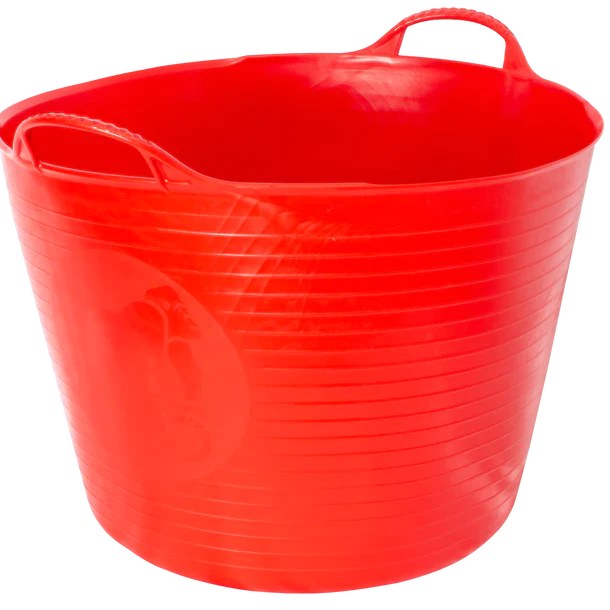 Red GorillaFlexible Tub 42 L42-litre flexible tub with ribbed sides and a reinforced handle.View at TRI Equestrian →
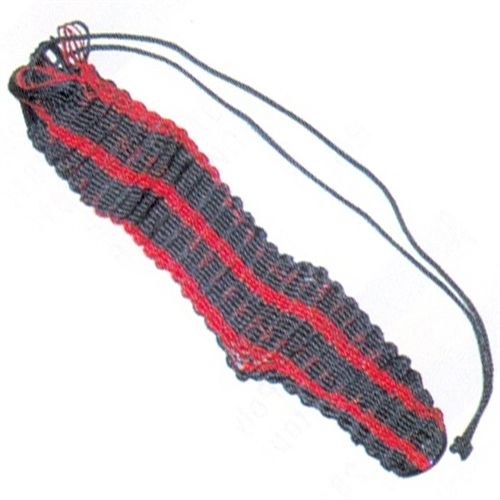 TurfmastersExtra Large Anti-Vice HaynetSmall-hole haynet that slows eating between feeds.View at TRI Equestrian →
 TurfmastersPVC-Coated Saddle RackPVC-coated metal saddle rack that protects the panels.View at TRI Equestrian →
What’s worth spending real money on
A small number of things in a yard get used every single day, and the difference between a cheap version and a good one shows up fast, either in how long it lasts or in how much it protects what’s inside it.
A thin plastic tub left outside goes brittle in UV within a couple of seasons and cracks the first time it’s dragged full across frozen ground. A properly UV- and frost-resistant tub costs more up front and gets replaced far less often.
A rack that flexes or isn’t finished to resist a damp tack room will let a saddle slip or rust at the fixings. A solid, properly made rack, mounted at the right height and labelled per horse, outlasts several saddles.
By contrast, a first aid kit, spare headcollars, or a sand bucket for the fire point don’t reward spending more, they reward being present, stocked, in date and where everyone knows to find them.
Our stable and yard category covers the small list of equipment actually worth choosing carefully, saddle racks and yard containers among them.
What doesn’t need much thought
Bedding stored dry, off the floor and away from the stable itself. A muck heap sited downwind and away from any watercourse. Water buckets or automatic drinkers checked and cleaned daily. A winter frost plan and a backup water supply for when pipes freeze. None of this calls for research or a considered purchase. It calls for a routine, kept to.
The tack room, and the rhythm of upkeep
A tack room earns its keep through organisation more than equipment: racks and hooks at the right height and labelled per horse, a leather-care corner, rugs stored dry and labelled, and one grooming kit per horse rather than a shared pile nobody restocks. Keep a stocked first aid kit, an emergency board with vet, farrier and yard manager numbers, and a solid lock, tack theft is one of the more common yard crimes.
A quick glance over stable and yard for anything new.
Bolts, latches, buckets and the first aid kit contents.
Electrics, extinguisher service, a full fence walk, gutters, floor and drainage.
The stable itself mostly needs checking, not buying. The few things used every single day are where spending a little more actually pays for itself.
 Buying Guides
Saddle Fit: The Basics Every Rider Should Understand
Storing and caring for the saddle in the tack room.
 Buying Guides
What Belongs in a Good Grooming Kit?
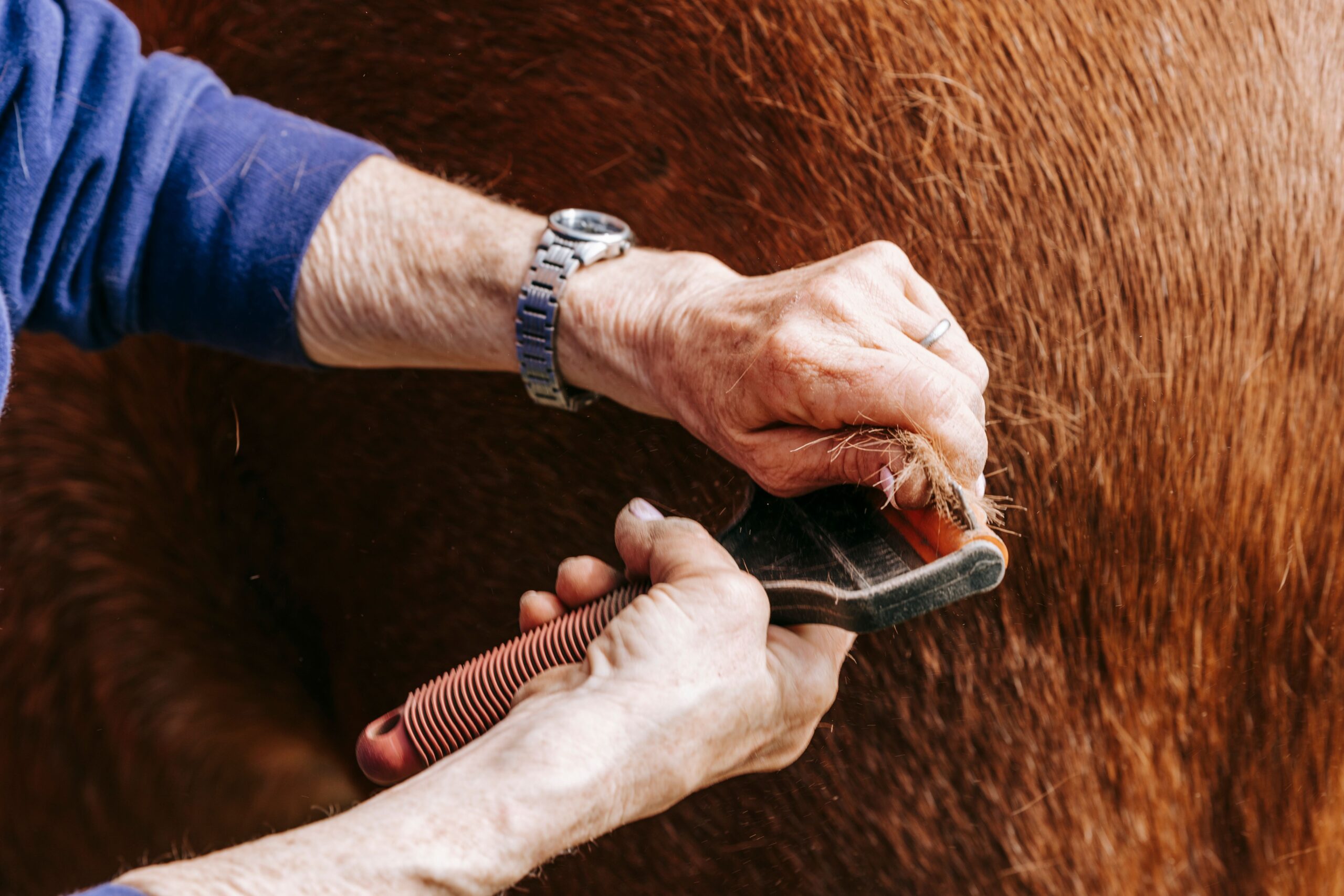
One labelled kit per horse, and where it lives.
 Horse Care
How to Prepare Your Horse for the Colder Months
The frost plan the yard needs before winter.