The Equestrian Autumn Edit: What Actually Changes for Horse and Rider
Autumn arrives at the yard as a list of small adjustments, not a single cold morning.
The light goes first, then the routine, then the kit. Here is what genuinely shifts for horse and rider between late September and November, what can wait, and where the equestrian-aesthetic version of autumn meets the practical one.
Daylight, ground and the horse’s coat change on their own schedule. The rider’s job is to adjust routine and kit around them, not to buy a season.
The light goes first
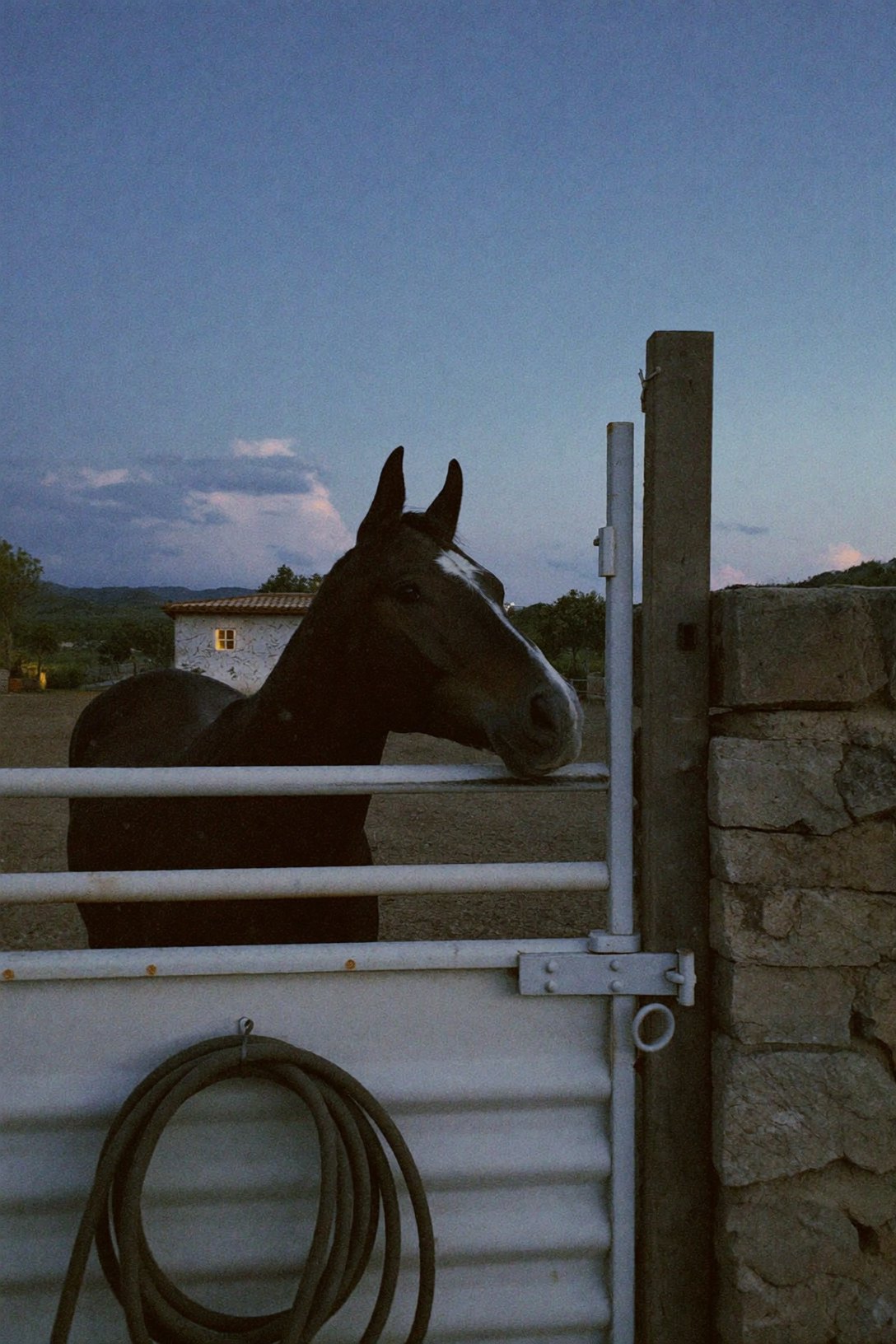
The first thing autumn takes is not warmth but time. In Palma the sun sets a little after eight in mid September and a little after seven by the middle of October. When the clocks go back on the last Sunday of October it drops to around six. For anyone who rides after work, the evening ride quietly becomes a headtorch job over the course of six weeks, well before the thermometer has moved much.
Most of the practical autumn changes follow from that, not from the cold. Feeding, turnout, riding and yard chores get squeezed into a shorter window, and the routine that worked in July starts to feel rushed. The useful response is to move the fixed points earlier now, in September, rather than in the week the clocks change: a morning ride two days a week, hay nets filled before dark, the yard lights checked while it is still easy to see what is wrong with them.
The horse’s coat is already changing
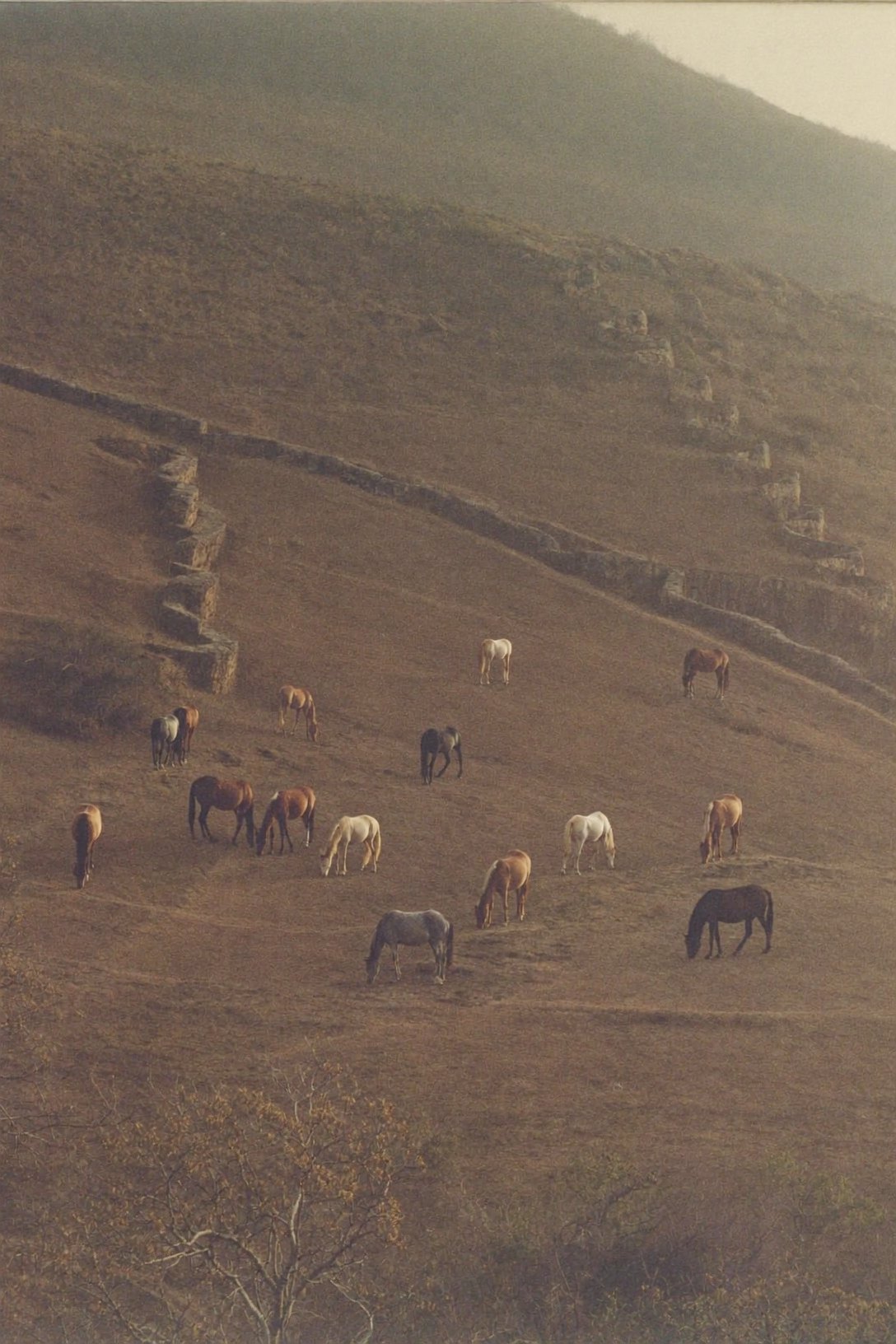
A horse’s winter coat is triggered by shortening daylight, not by falling temperature, which is why the first longer hairs appear while afternoons are still in the high twenties. The coat is doing exactly what it should. The question is whether the horse’s workload fits it. A horse in light work on Mallorca, living out, generally does well with its own coat and no rug through most of the autumn. A horse in regular, sweaty work may need clipping later in the season, and a clipped horse is the one that genuinely needs a rug when the weather turns.
This is also the point in the year when grooming changes purpose. Through summer it is mostly about sweat and dust. In autumn a horse living out needs the grease in its coat for waterproofing, so a lighter hand with the body brush and more attention to feet, legs and the places tack sits is the better trade. The full argument is in our grooming guide. The short version is that a turned-out horse should be groomed less, not more, as the rain arrives.
The coat follows the daylight. The rug should follow the horse, not the calendar.
Ground, rain and the first mud
Mallorca’s autumn is short on gradual change and long on contrast. Palma’s long-term averages put October daytime highs in the mid twenties and November around twenty, but October and November are also, on average, the wettest months of the year, and the rain tends to arrive as concentrated episodes rather than settled drizzle. A field that has been concrete since June can turn to deep mud in a weekend and then bake hard again a week later.
That pattern shapes three practical things. Feet first: hooves that have been dry and hard all summer soften quickly in mud, and the shift between the two is when cracks, thrush and lost shoes show up, so picking out feet daily and keeping the farrier cycle tight matters more in October than it did in August. Second, drainage around gateways, water troughs and field shelters is worth sorting while the ground is still firm enough to work. Third, the wet horse: a soaked coat loses most of its insulation, and a wet, windy night in the low teens is harder on a horse than a dry, still night much colder. The rug guides linked below cover when a light waterproof earns its place. The point here is simply that rain, not temperature, is the autumn trigger.
On warm, still autumn days flies and midges are still active on the island, and a horse that has needed a fly mask in September usually still needs it in early October. Insect protection tails off with cooler nights rather than on a date. Keep the mask and repellent in use until the horse tells you otherwise.
What changes in the rider’s kit
This is where the Pinterest version of autumn and the yard version meet. The equestrian aesthetic that circulates every September, tall boots, a quilted jacket, breeches in a warm neutral, is not wrong. Most of those pieces exist because they solve a real problem. The trick is buying them for the problem rather than the picture.
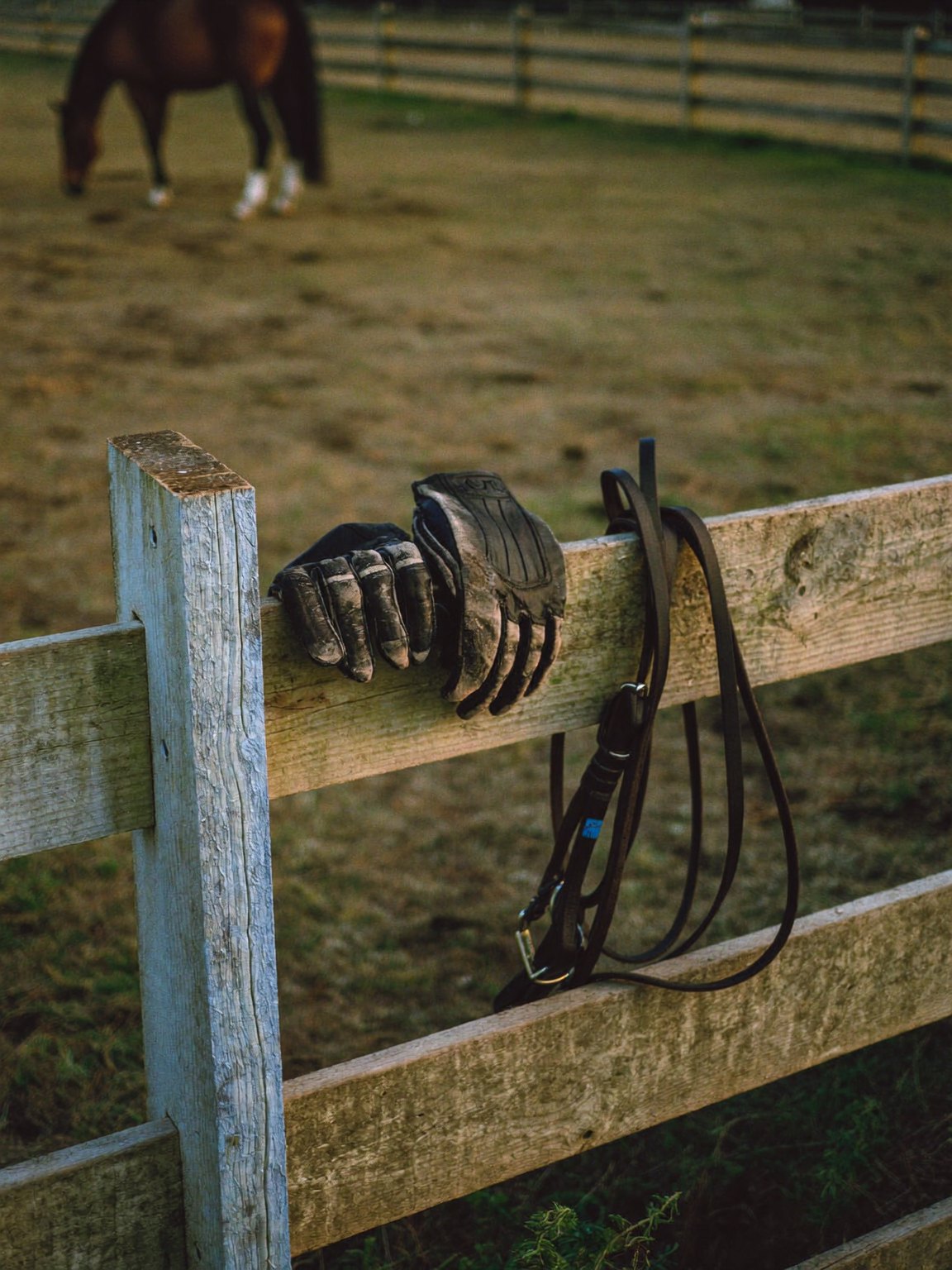
Layers earn their place first. Autumn on Mallorca means a cool start, a warm middle and a cool finish to the same day, and a single warm jacket is the wrong tool for that. A light, stretchy mid-layer that can be ridden in, with a genuinely waterproof shell over it for the wet weeks, covers far more of the season than an insulated coat, which mostly waits in the car until December. Gloves move from optional to useful once reins are wet and hands are cold at seven in the morning. A thin, grippy pair does the job and a padded winter glove is rarely needed here.
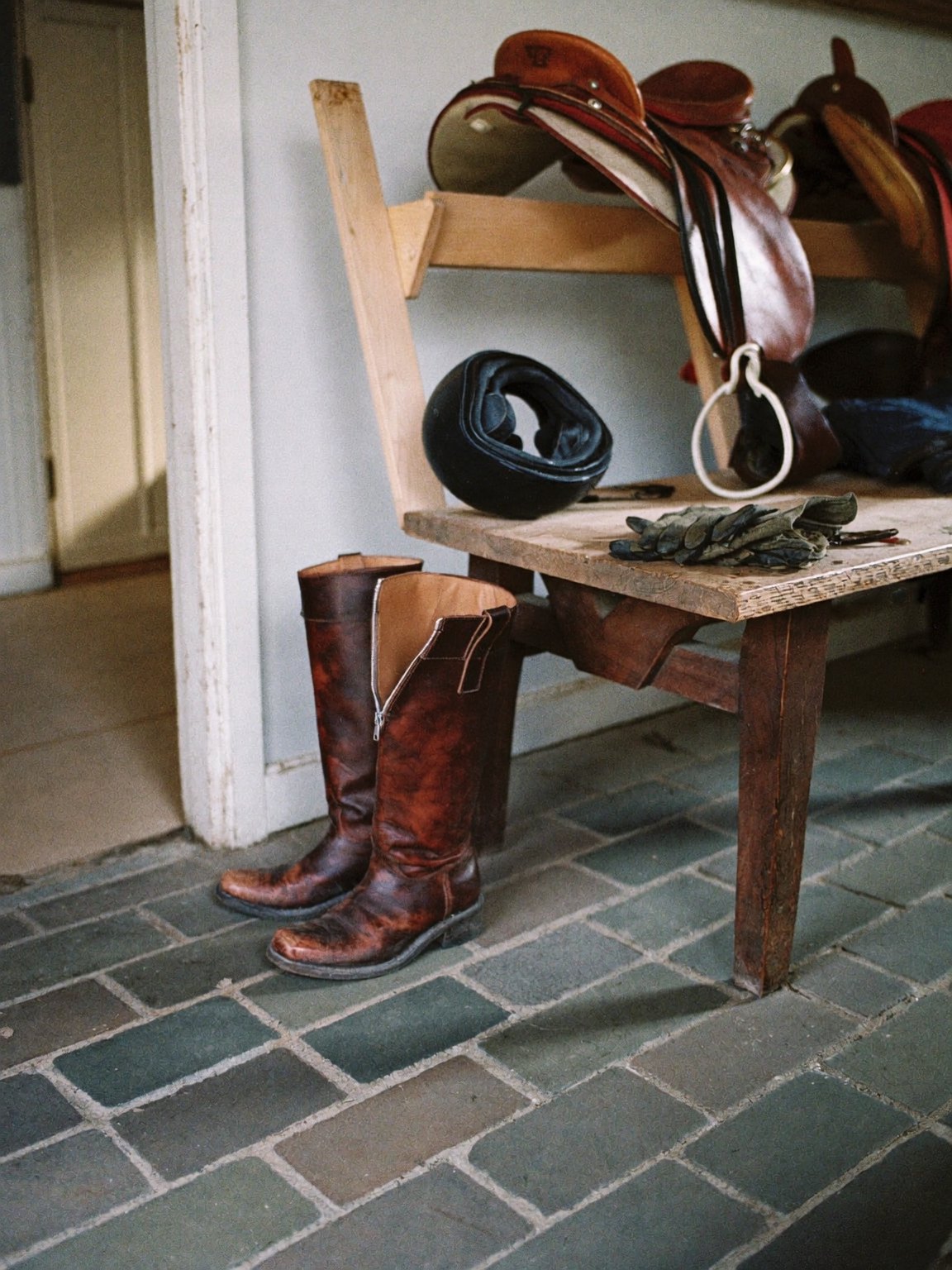
Boots are the one piece where the wet season genuinely changes the answer. Leather tall boots that live happily in a dry summer take a beating in mud and repeated soaking, and a waterproof yard or country boot for the daily chores, keeping the riding boots for riding, is the arrangement that makes both last. Our riding boots guide goes through the types in detail, including where a rubber boot makes sense and where it does not.
A helmet does not change with the season, but autumn is a sensible moment to check it: the strap, the lining, the date it was bought, and whether it has taken a knock that nobody wrote down.
What can wait
Not everything on the autumn list is urgent, and a good part of the equestrian retail calendar is built on the idea that it is. A heavy turnout rug can wait until the horse is clipped or the forecast shows a genuinely cold, wet week, which on this island is usually December, not October. Winter feed changes can wait until the grass has actually stopped. Autumn grass here often comes back green after the first rains. An insulated jacket can wait until the first morning you actually wanted one.
What cannot wait is the routine: the earlier rides, the checked lights, the tight farrier cycle, the drainage done before the mud. Those are the changes that make the season easy, and none of them come in a box.
The pieces below take each part of this in turn: the rugging decision, the boots, the everyday kit and the Mallorca-specific weather. The Autumn Equestrian Checklist condenses it to a single page you can print for the tack room.
The equestrian autumn everyone photographs is a wardrobe. The one that matters is a routine.
- Autumn’s first change is daylight, not temperature: move the fixed points of the routine earlier in September, before the clocks change.
- The winter coat follows the daylight and is usually enough for an unclipped horse in light work. Rain and wind, not cold, are the triggers for a light waterproof rug.
- October and November are on average Mallorca’s wettest months. Feet, drainage and the wet horse need attention before the mud arrives.
- Rider kit that earns its place: a rideable mid-layer, a real waterproof shell, thin grippy gloves and a waterproof yard boot that spares the riding boots.
- Heavy rugs, winter feed changes and insulated jackets can wait for the weather that actually calls for them.
General editorial guidance, not veterinary advice. Take rugging, clipping and feeding decisions for an old, clipped, underweight or unwell horse with your vet.