Autumn With Horses on Mallorca: What the Season Actually Looks Like
Most autumn horse-care advice is written for a different climate. Here is the island’s version.
Twenty-five degrees in October, the wettest weeks of the year in November, flies into the first week of frost that never quite comes. Autumn with horses on Mallorca is its own season, and the advice that arrives with the northern European rug catalogues mostly does not apply. What it actually looks like, month by month, and what that changes.
A Mallorca autumn is warm, then suddenly wet, then mild. Sun, flies and sweat stay relevant far longer than rugs do.
The numbers, not the mood
It helps to start with what the island’s climate actually does, because the feel of autumn here is misleading. The first cool morning in late September registers as a change of season, the thermometer disagrees. Palma’s long-term averages, from the Spanish meteorological service AEMET, put September daytime highs around 28°C, October in the mid twenties and November around 20°C, with nights falling from roughly 19°C to 15°C to the low teens across the same three months. December is the first month where daytime highs sit below 20°C.
Rain is the real story. September, October and November are on average the three wettest months of the year on Mallorca, and the rain tends to arrive in a few intense episodes rather than as weeks of drizzle. The coast and the interior differ, the Tramuntana is wetter and cooler than the plain, and any yard’s own microclimate matters more than the island average. But the shape holds: a warm, dry September, a wet October that is still warm between the storms, and a mild, damp November.
September: still summer for the horse
For the horse, September is a summer month with shorter days. Afternoon temperatures in the high twenties mean that a horse in work is still sweating properly, and the electrolyte and water questions of July have not gone away. Riding early or late is still the sensible pattern, shade in the field still matters, and a pink-nosed horse still needs sun protection. Fly masks stay on: flies, and on still evenings midges, are active throughout the month, and horses with sweet itch are not yet out of the season.
What has changed is the light. The horse’s winter coat is triggered by shortening days, not by temperature, so the first longer hairs appear while afternoons are still hot. That is normal, and it is not a signal to reach for a rug. It is, for a horse in regular sweaty work, the month to start thinking about whether a clip will be needed later and, for every horse, to check condition by hand now, while the summer coat still lets you see it.
The coat changes with the daylight. The weather has not caught up yet, and neither should the rug.
October: the rain arrives
October on Mallorca is where the northern European advice falls apart. Daytime highs are still in the mid twenties on average, warm enough that a rug left on through the day means a sweating horse by early afternoon. And yet October is also, in most years, the month of the first serious rain, sometimes as a single storm that drops a month’s worth in an afternoon and turns a field that has been hard since June into deep mud by evening.
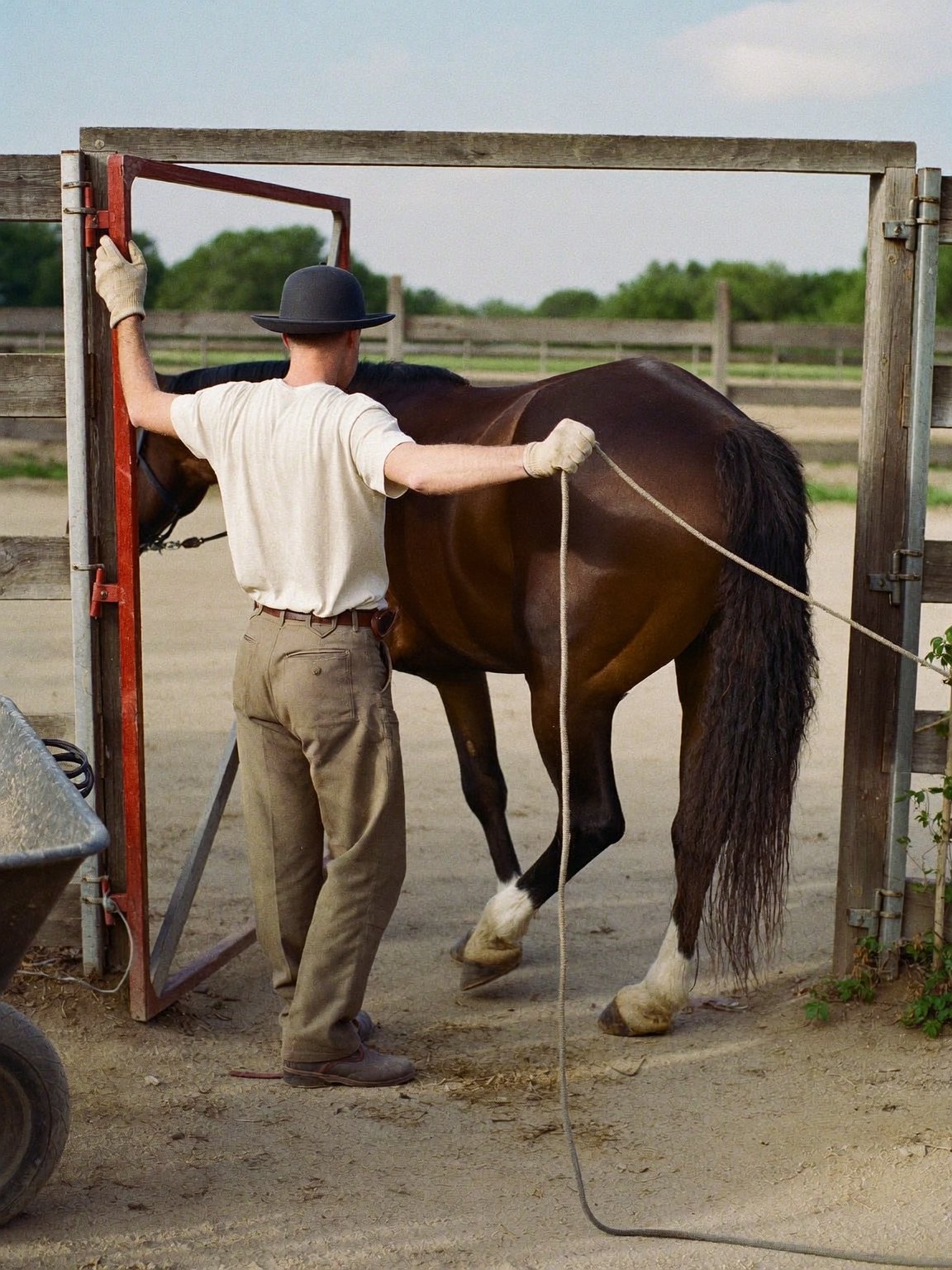
Two things follow from that combination. First, the trigger for any rug at all is rain and wind, not cold: a light waterproof, 0g, on a wet, windy night for a horse that needs one, and off again the next warm morning. Second, feet. Hooves that have been dry and hard all summer soften quickly in mud, and the switch between the two states is when thrush, cracks and lost shoes show up. Picking feet out daily and keeping the farrier cycle tight matters more in October than at any other point in the year.
Flies do not stop on the first of October. On the warm, still days between the rains they are as active as in September, and a horse that needed a mask last month usually still needs it. Insect protection here tails off with cooler nights in November rather than on a date.
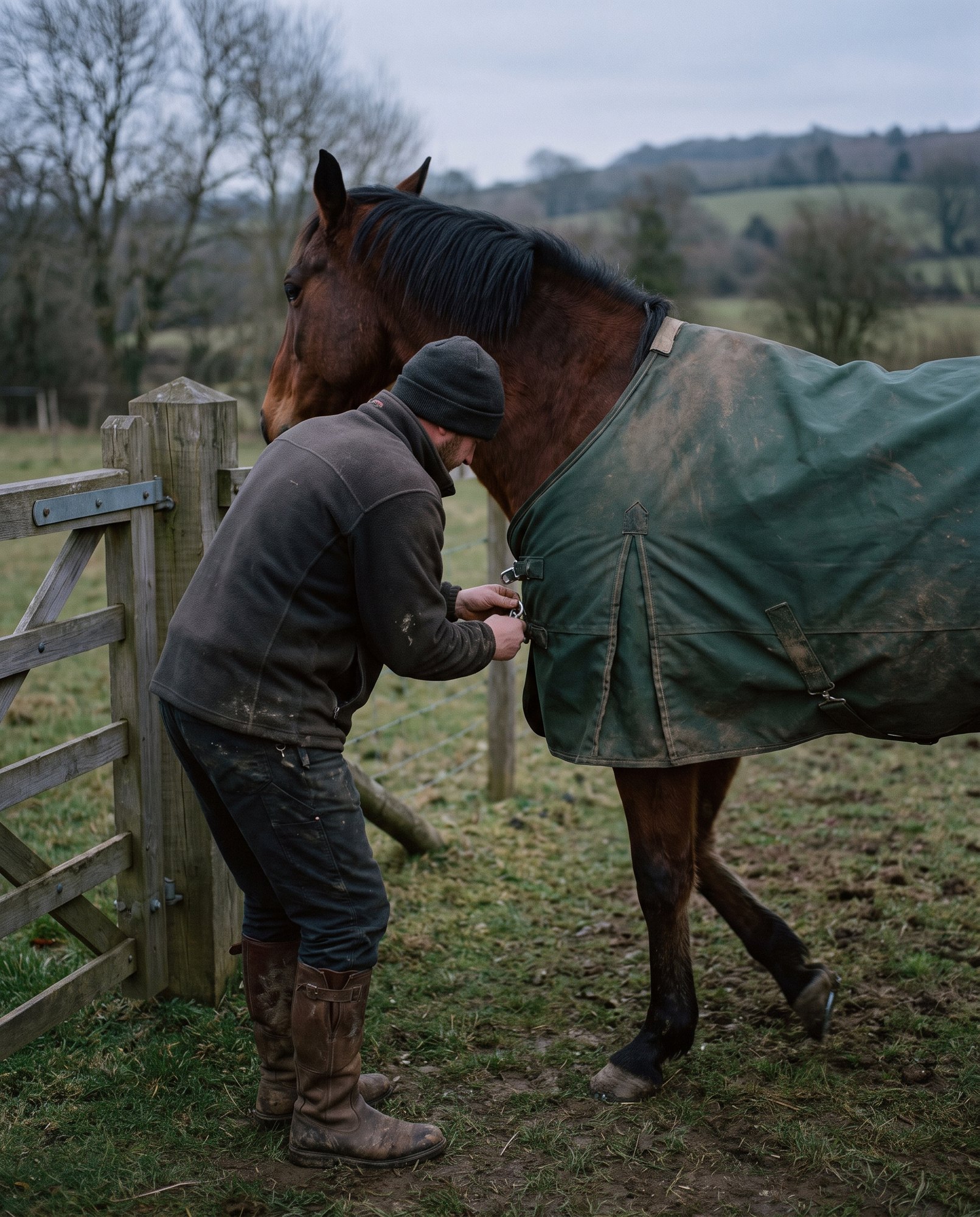
A soaked coat loses most of its insulation, and a wet, windy night in the low teens is harder on a horse than a dry, still night much colder. This is the one autumn situation on the island where a rug genuinely earns its place. The checklist linked below covers the checks before it goes on, including the rule that a rug never goes over a wet coat.
November: the mild wet
November is the closest the island comes to a northern autumn, and it is still mild by that standard: highs around 20°C, nights in the low teens, and the second of the wet months. This is when the winter coat is fully through on an unclipped horse, and when a healthy horse with shelter from wind and rain is usually well equipped to cope without a rug for most nights.
The exceptions are the same everywhere: clipped horses, older horses, underweight or fine-coated types, and any horse without real shelter. For those, a light or medium rug on the wet nights is sensible, and the rug should come off on the mild days rather than stay on out of habit. Rich autumn grass returning after the rains is worth watching for good doers and laminitis-prone horses. The grass comes back green here in a way it does not further north, and it is not the low-risk feed it looks like.
Electrolytes and sun cream can mostly be put away in November. Fly protection can go once the nights are properly cool and the flies have gone, which the horse will tell you before the calendar does.
What to keep doing, what to stop
The practical version of all this is short. Keep doing, well into October: early or late rides on warm days, fly masks and repellent, sun protection on pink skin, electrolytes for horses sweating noticeably in work, shade and water checks. Start doing, in September: daily feet, drainage around gateways and troughs while the ground is still workable, condition checks by hand, a plan for whether this horse will need clipping.
Stop doing, or do not start: rugging by the calendar, rugging a wet horse, buying a heavy rug in October for a horse that is unclipped and has a field shelter, changing to a winter feed while the grass is still growing. The rug range in a typical catalogue is built for a climate where November is cold and December is colder. On this island a 0g rain sheet and a cooler cover most horses’ autumn, and the medium and heavyweight rugs are for a clipped horse in a genuinely cold week, which is usually a December or January question.
Temperature and rainfall figures are long-term averages for Palma de Mallorca published by AEMET. A yard in the Tramuntana or on the north coast will run cooler and wetter, one on the southern plain warmer and drier. Rugging, clipping and feeding decisions for an old, clipped, underweight or unwell horse belong with your vet.
Rider, weather and daylight
For the rider, the Mallorca autumn is mostly a daylight problem and a rain problem, in that order. Sunset in Palma moves from after eight in mid September to around six once the clocks change at the end of October, so the after-work ride becomes a morning ride or a headtorch ride within six weeks. The rain problem is intermittent: most days are dry and warm enough for a shirt, and then a wet week arrives. A light layer that can be ridden in, a genuinely waterproof shell for those weeks, and a waterproof yard boot for the mud cover it. The insulated jacket that fills every autumn photograph is, here, a December purchase.
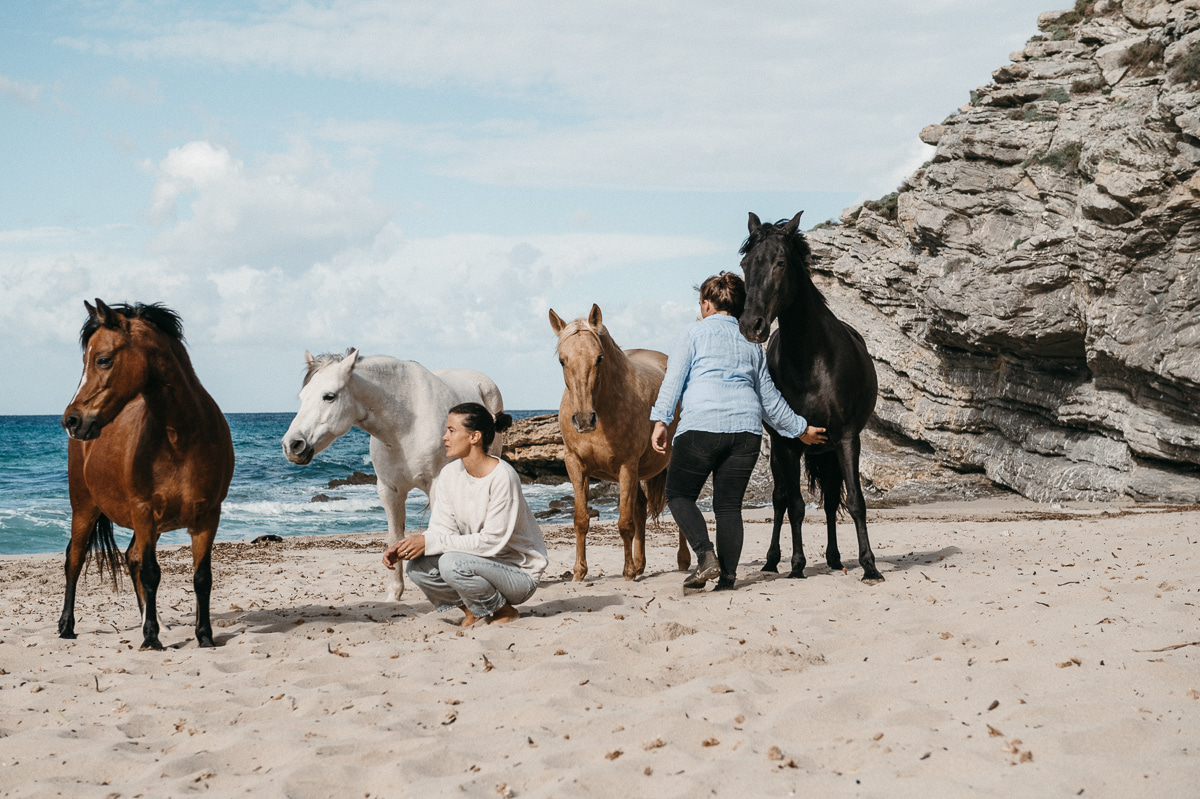
None of this makes autumn on the island less of a season. The light gets softer, the ground gets kinder underfoot once the first rain has been through, and the beach rides that were too hot in August come back into their own. It is simply a different autumn from the one the catalogues describe, and the horses, who never read them, have always known that.
Twenty-five degrees in October and the wettest month of the year. Autumn on Mallorca is warm, then wet, then mild, and the horse’s coat arrives before the weather does.
- Palma’s long-term averages: September highs around 28°C, October mid twenties, November around 20°C. September to November are the wettest months, with rain in concentrated episodes.
- September is still summer for the horse: sweat, sun and flies stay relevant. The winter coat starts with the daylight and is not a rug signal.
- October’s first rain is the real trigger: feet, drainage and the wet horse need attention. A 0g rain sheet on wet, windy nights covers most horses that need anything.
- November is mild and damp: an unclipped horse with shelter usually copes without a rug. Clipped, old and fine-coated horses are the exceptions.
- Keep fly protection, sun cream and electrolytes going far longer than northern advice suggests. Put the heavy rug and the winter feed change off until the weather calls for them.
General editorial guidance for the Balearic climate, not veterinary advice. Yards vary. Watch the horse and the forecast rather than the island average.