Riding After the Clocks Change: The Short-Evening Routine on Mallorca
On 25 October the island loses an hour of evening. It is still twenty degrees at four o’clock; it is dark by six.
The clocks going back is the real start of winter for a working rider on Mallorca, not the cold. The afternoon ride that fitted after work suddenly does not, the horses are fed in the dark, and the yard that was light and easy in September needs lights, torches and a different order of jobs. What actually changes on 25 October, how yards here reorganise the day, and the small kit that makes the dark weeks safe rather than merely possible.
Move the ride, not the horse: the work goes to the morning or the lit arena, the evening becomes feed, check and rug, and the yard gets lights before it gets cold.
What changes on 25 October
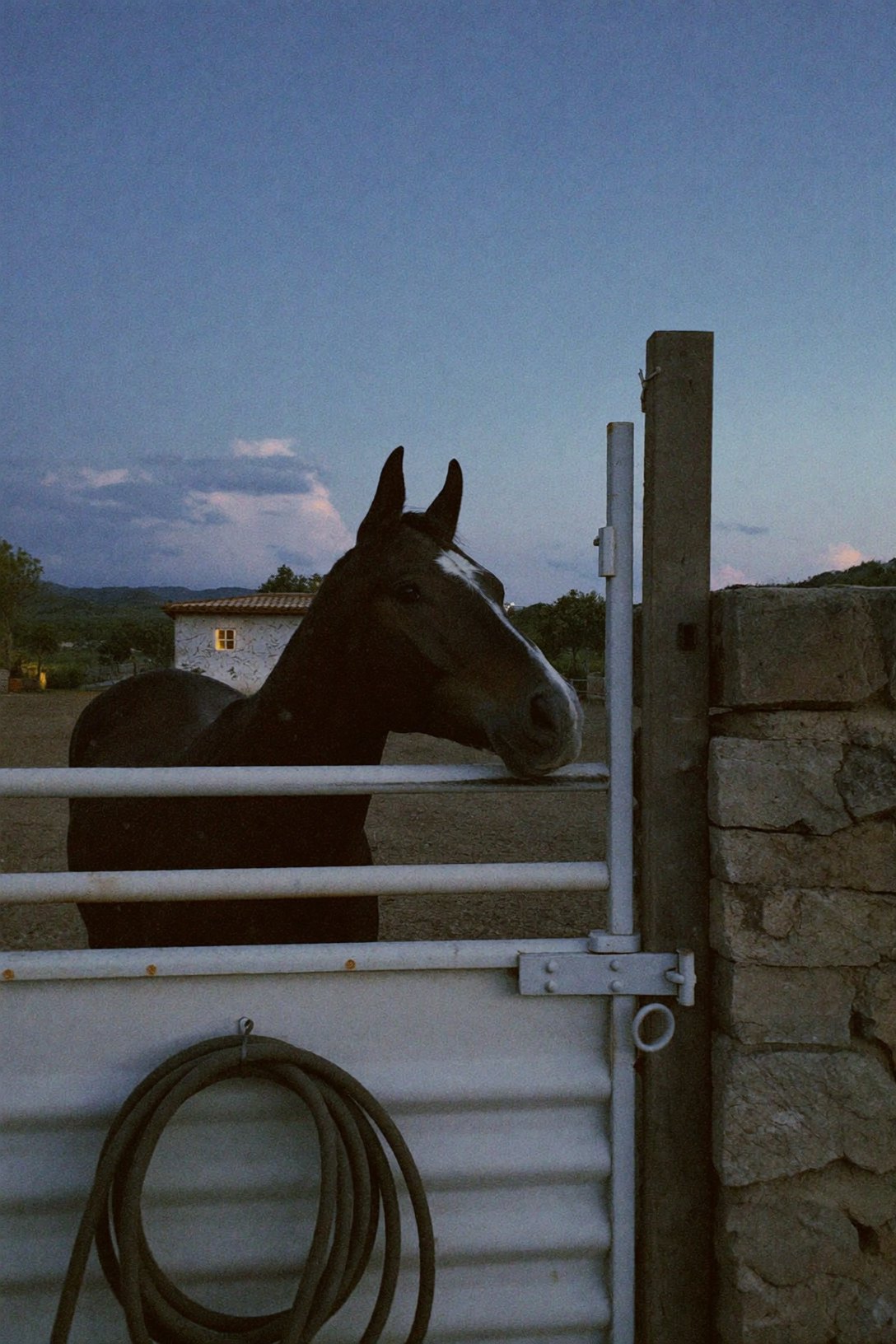
Spain sets its clocks back on the last Sunday of October: in 2026 that is the 25th. Sunset in Palma moves from about seven in the evening to about six, and with civil twilight gone by half past, the useful evening light ends before most people leave work. The temperature does not follow the clock. October afternoons are still twenty to twenty-four degrees, the ground is dry between the rain days, and the horses are fit from a summer of early rides. The only thing that disappears is the hour.
That is why the change is felt harder here than in the north, where the cold and the dark arrive together and the season winds down anyway. On Mallorca the riding is still good; it just has to move.
The morning rider
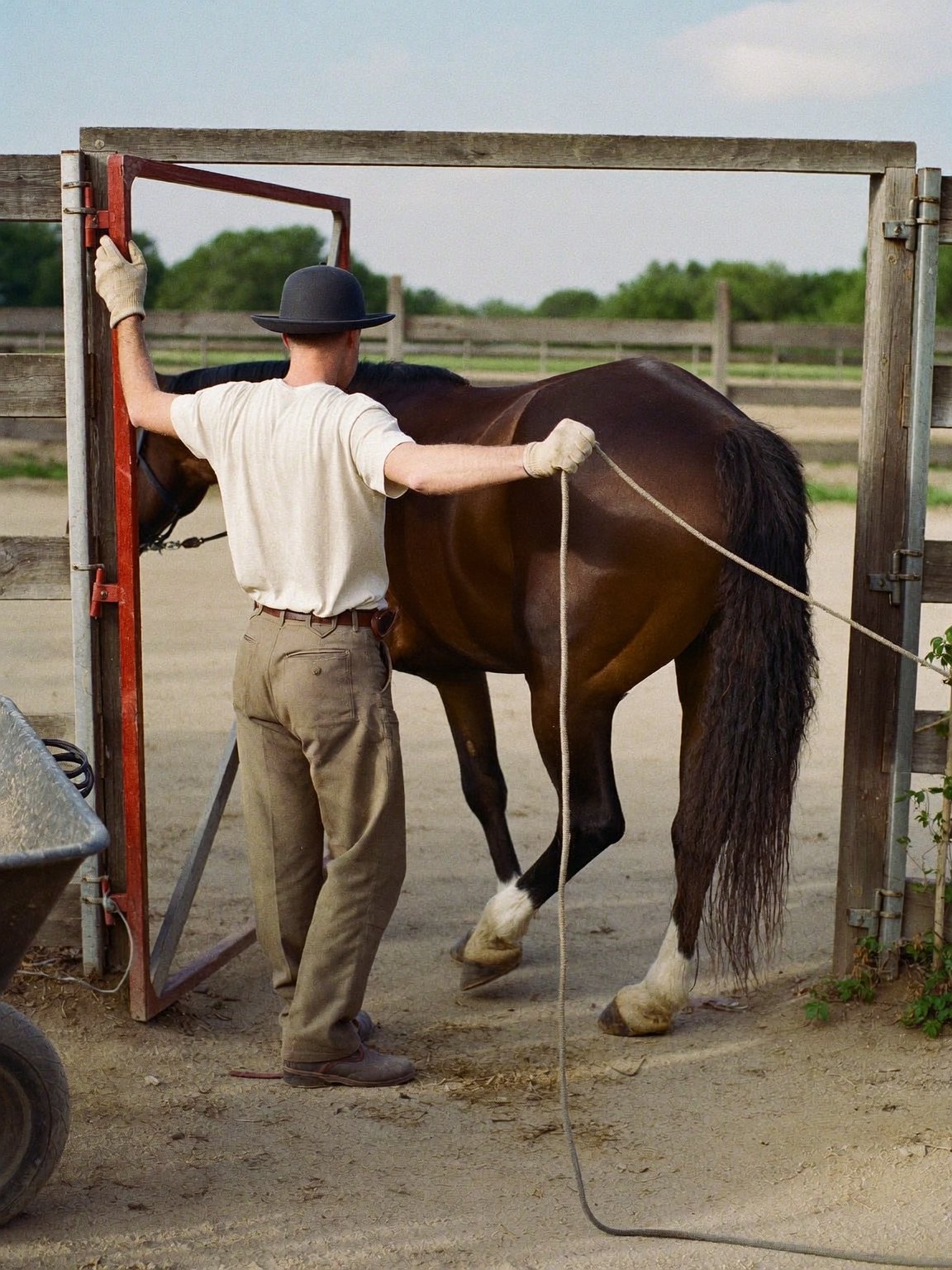
The yards that cope best swap the day round in the last week of October. The ride moves to seven in the morning, when the light is up and the air is cool; the afternoon becomes the yard hour. It takes a fortnight for a horse to settle into the new pattern, so the switch is worth making before the clocks change, not after. Feed times move with it: a horse fed at seven and five keeps its routine even if the person feeding it is now doing so by torchlight.
For riders who cannot do mornings, the answer is two things: a lit arena, or a shorter, more frequent ride. A horse worked four times a week for thirty minutes in the light does better through the winter than one worked twice for an hour in the dark.
The lit arena and the road
An arena with lights is the single biggest asset a yard has from November to February, and on Mallorca it is worth asking about before renting a box for the winter. If there are no lights, the road is not the alternative: hacking on island lanes at dusk, with the low sun and the tourist rental cars, is the one thing every farrier and vet here will tell you not to do. If it must happen, reflective legwear on the horse, a high-visibility layer on the rider and a light front and back are the minimum, and even then, home before the streetlights.
Lunging in a small lit yard, groundwork in the barn aisle and a walk in hand along a lit track all keep a horse moving on the days the arena is dark. None of them replace riding; all of them are better than a horse that stands for four months.
Twenty degrees at four, dark by six. The horse is fine; it is the schedule that has to change.
Evenings in the dark
The evening yard visit becomes a routine done by feel and by torch: feed, water, check the horse over, decide on the rug, pick out feet, lock up. The order matters. Hay and water go out while there is still light, so the buckets are seen to be clean. The horse is checked with a hand along each leg before the rug goes on, because a swelling is not seen in torchlight but it is felt. The rug decision is made on the temperature at nine at night, not at five in the afternoon, and on the island that usually means a cooler or a light sheet, not a heavyweight.
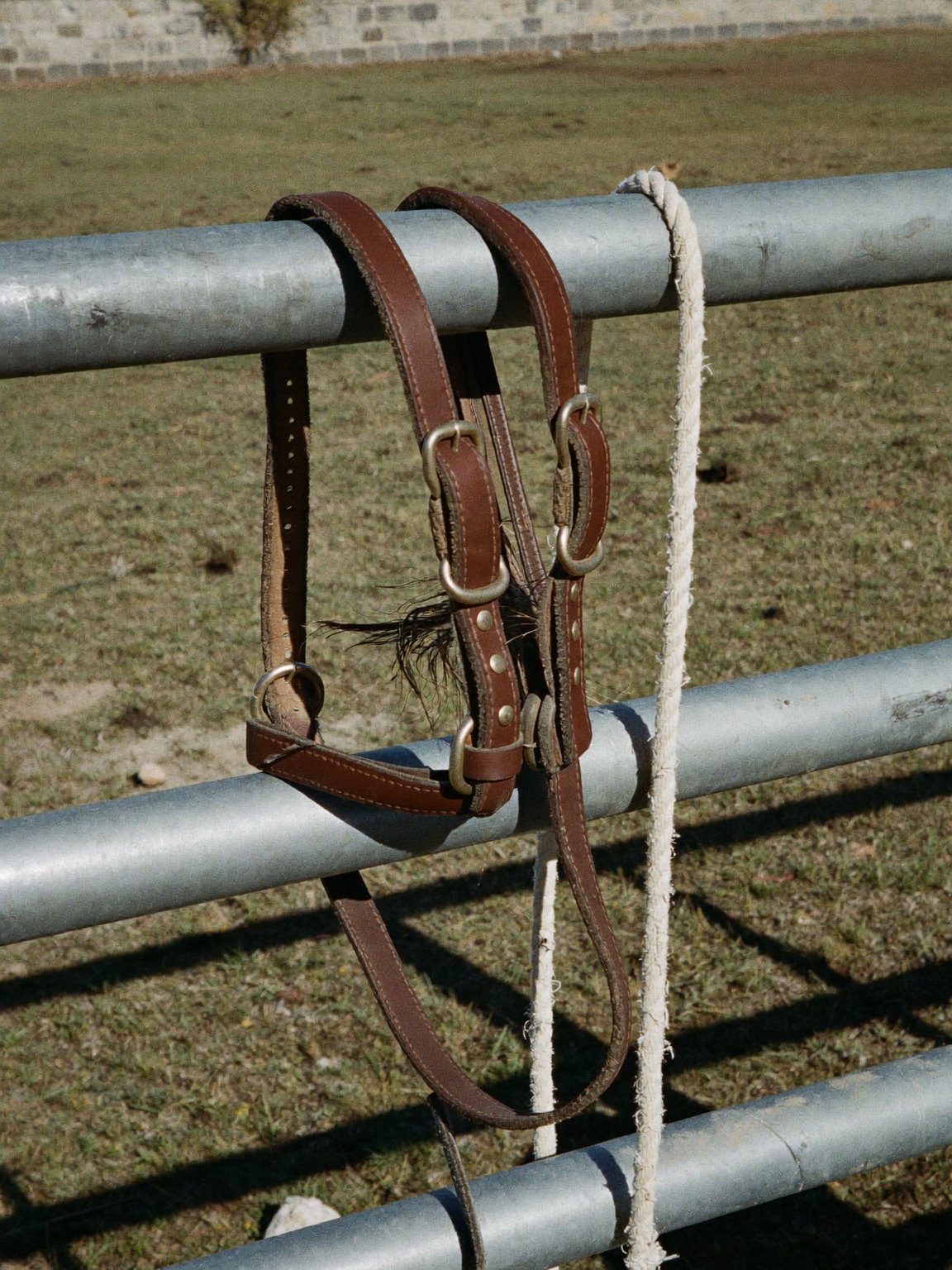
Turnout in the dark is the question every yard answers differently. A horse out at night in November needs a field-safe headcollar with a breakaway, a reflective strip if there is any road nearby, and a name tag; a horse in needs hay that lasts and a rug that is dry inside. Both need someone who looks at them properly once, with a torch, every night.
Hay and water first while it is light. Legs by hand. Rug decided by the night temperature. Feet picked. Headcollar checked. Lights off, gate locked, torch back in the car. Ten minutes, the same every night.
The kit that earns its place
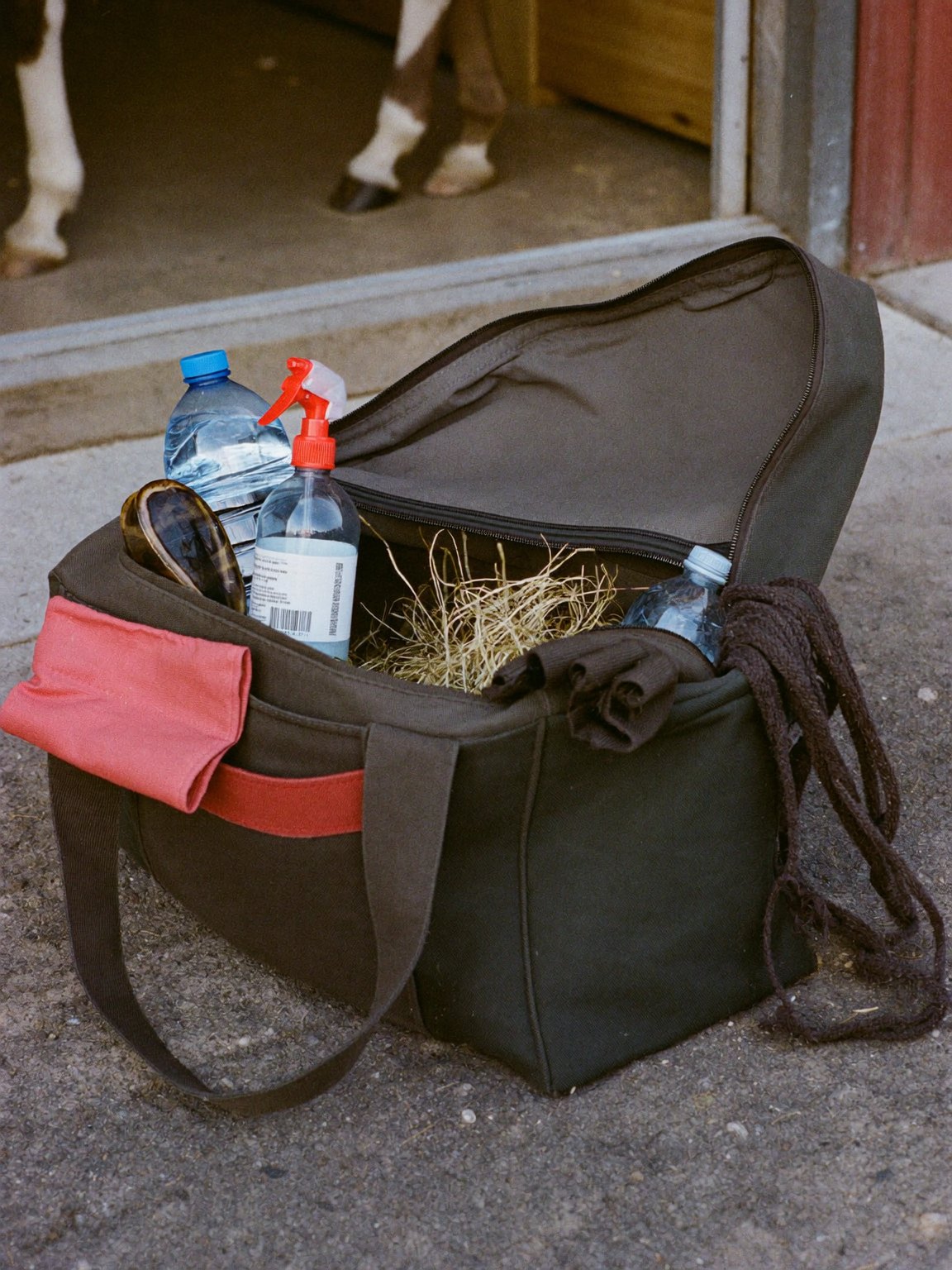
A headtorch that lives in the car, with spare batteries, from the week the clocks change. A field-safe headcollar with reflective webbing for any horse turned out. A rug rail outside the box so the wet rug dries instead of lying in the aisle. A slow-feed haynet so the evening hay lasts until morning. A cooler for the horse that comes in warm from a late ride. And a hook for the torch at the tack room door, because the torch that is not where it should be is the reason the horse is checked badly.
None of this is expensive and all of it is in the stable and rugs categories below. The Autumn Equestrian Checklist has the five things to move earlier before the clocks change; this is what happens after.
Move the ride, not the horse. The evening is for feed, a hand along each leg and the right rug; the riding happens in the light.
- Spain’s clocks go back on Sunday 25 October 2026; Palma sunset moves to about six, the afternoons stay warm.
- Move the ride to the morning or a lit arena before the change, so the horse has settled by the time the evening is dark.
- Do not hack island lanes at dusk; lunging, groundwork and walking in hand on a lit track keep a horse moving without the road.
- The dark evening is a routine: hay and water while it is light, legs by hand, rug decided by the night temperature, feet, headcollar, torch.
- Headtorch, field-safe headcollar with reflective webbing, rug rail, slow-feed haynet, cooler: the kit that makes the dark weeks safe.
General editorial guidance. Riding on public roads is subject to local traffic law; check the rules that apply to horses on the roads where you ride.