Mud Fever Season: The Wet Pastern on Mallorca
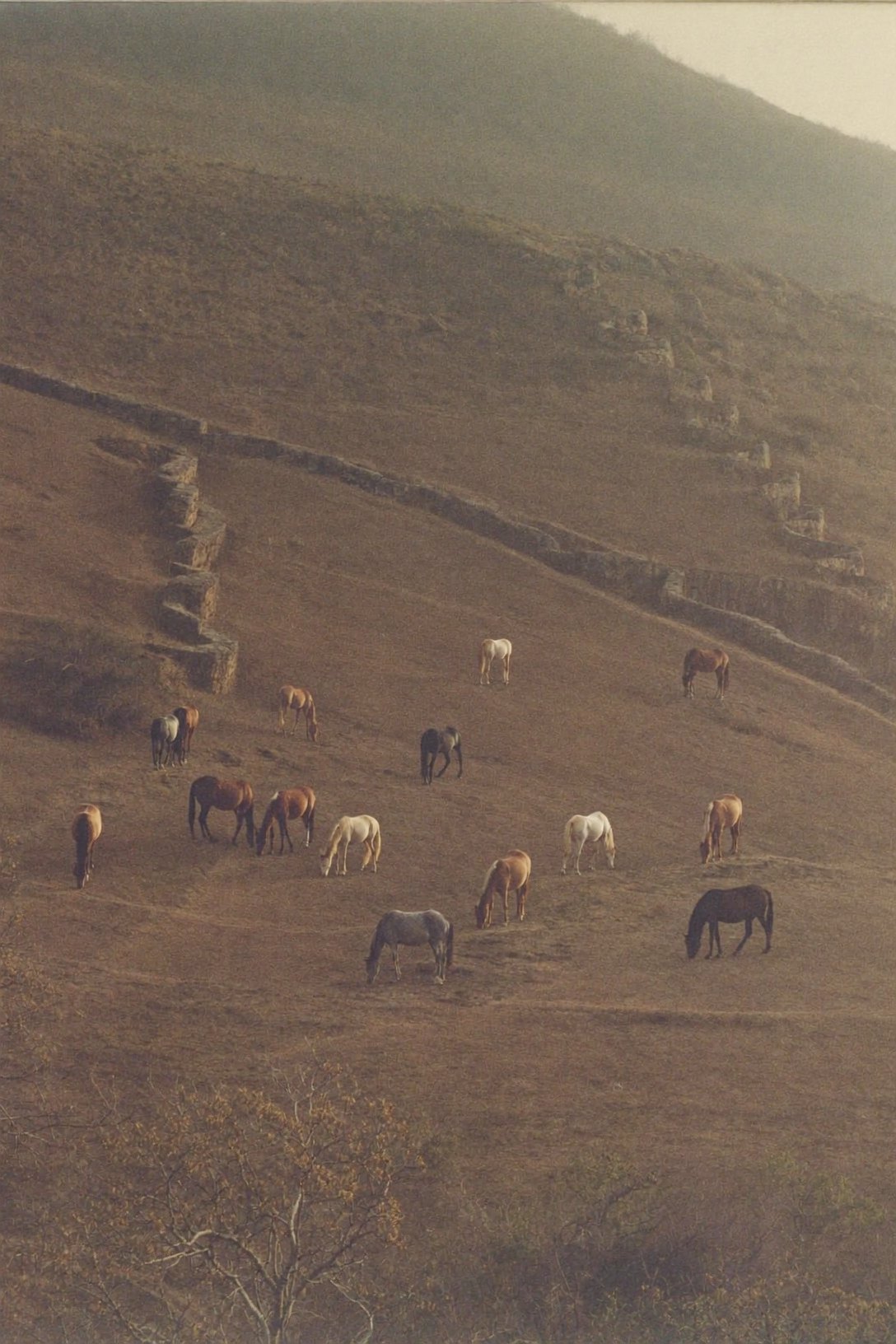
The island’s mud is short-lived, but it arrives all at once: three weeks of rain on ground that has been dust since May, and the horses stand in it.
Mud fever, pastern dermatitis, greasy heel: the same thing under three names, and every wet November it turns up at the gateway of a paddock somewhere on Mallorca. What it is, why the island’s sudden wet is worse than a steady damp climate, how to tell it from the things it is confused with, and the routine that keeps most horses’ heels clean without a shelf of products.
Dry legs beat clean legs. Keep the horse out of the standing mud for part of the day, dry the heels rather than washing them, and treat early and small.
What mud fever actually is
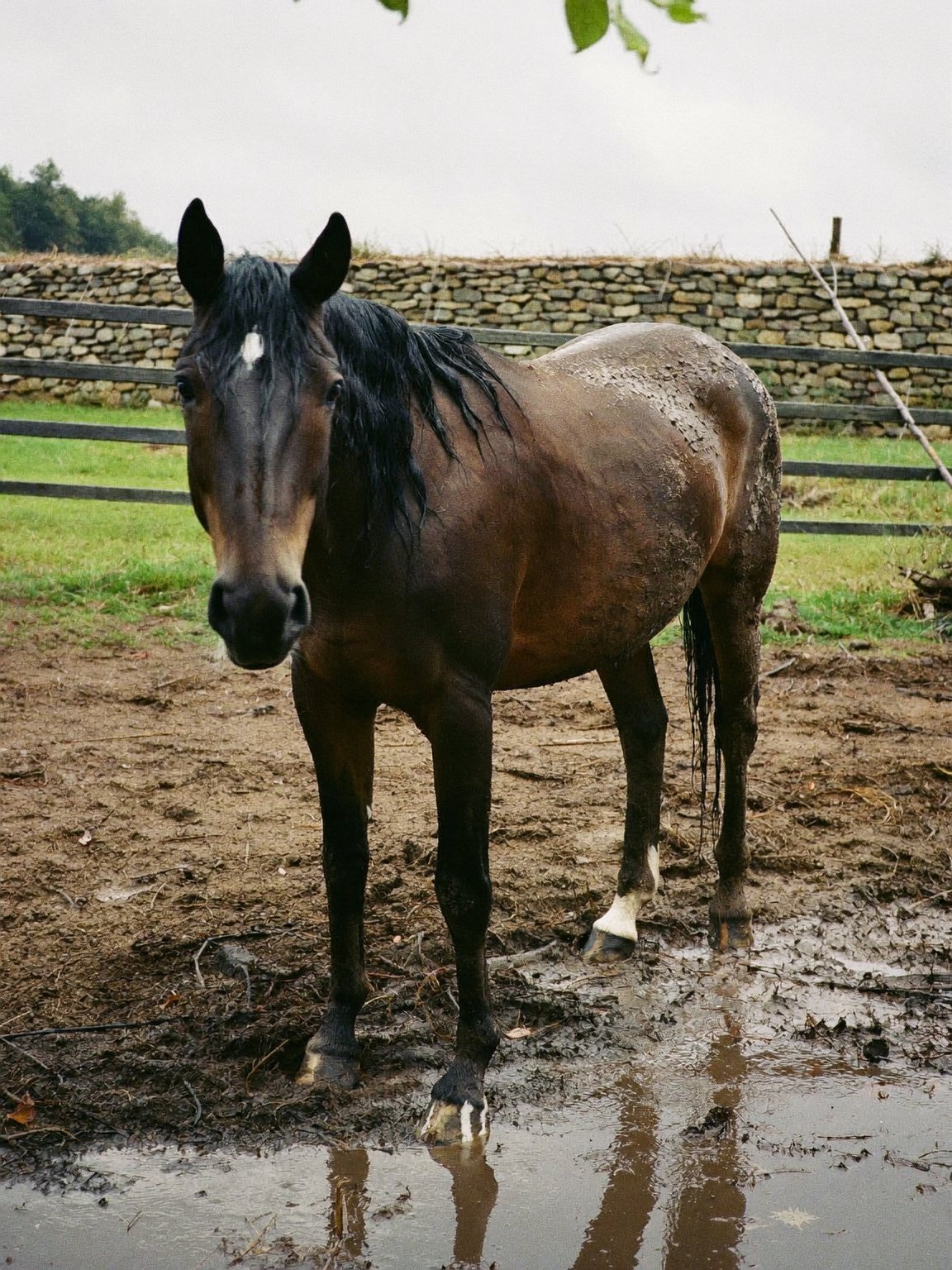
Mud fever is an infection of the skin on the pastern and heel, usually by bacteria that live on every yard and do nothing until the skin gives them a way in. Skin softened by days of wet, chapped by mud drying and cracking, or scratched by stubble, opens; the bacteria colonise; the result is scabs, heat, swelling and, in a bad case, a horse that is lame from the pain of a leg it will not let you touch. Feathered legs and white legs with pink skin get it more, and horses that stand rather than move get it most.
It is common, it is treatable, and it is much easier to stop at the stage of two small scabs than at the stage of a hot, swollen leg. That timing, more than any product, is the difference between a fortnight’s nuisance and a month’s problem.
Why the island’s wet is worse
A horse in a damp northern climate has skin that has been mildly wet for years. A horse on Mallorca has skin that has been bone dry since spring, and then it is wet for three weeks. The swing does the damage: dry skin cracks when it softens fast, and the clay soils of the interior turn into a mud that clings to the heel and dries into a crust that pulls the skin with it. Add a gateway where six horses queue for hay, and the pasterns are in the same wet mud for hours a day.
The good news is that the island’s wet is short. Most years there is a dry, windy week in November when the ground hardens again, and a horse whose heels have been kept dry through the worst of it comes out of the season with nothing to show.
Dry skin that gets wet fast cracks. That, not the mud itself, is what lets the infection in.
What it is not
Not every scabby heel is mud fever. Mites cause a similar picture on feathered legs, with more itching and stamping. Photosensitisation on white legs looks like sunburn and appears in bright weather, not wet. A single hot, swollen leg with no scabs is a different problem and needs the vet the same day. And leg mange, rain scald on the back and the harmless dry flaking of a coat that is changing are all mistaken for it every autumn.
The useful test is where and when. Mud fever is on the pastern and heel, at the back and sides, in the weeks the ground is wet. If the scabs are elsewhere or the ground is dry, it is probably something else.
The routine that works
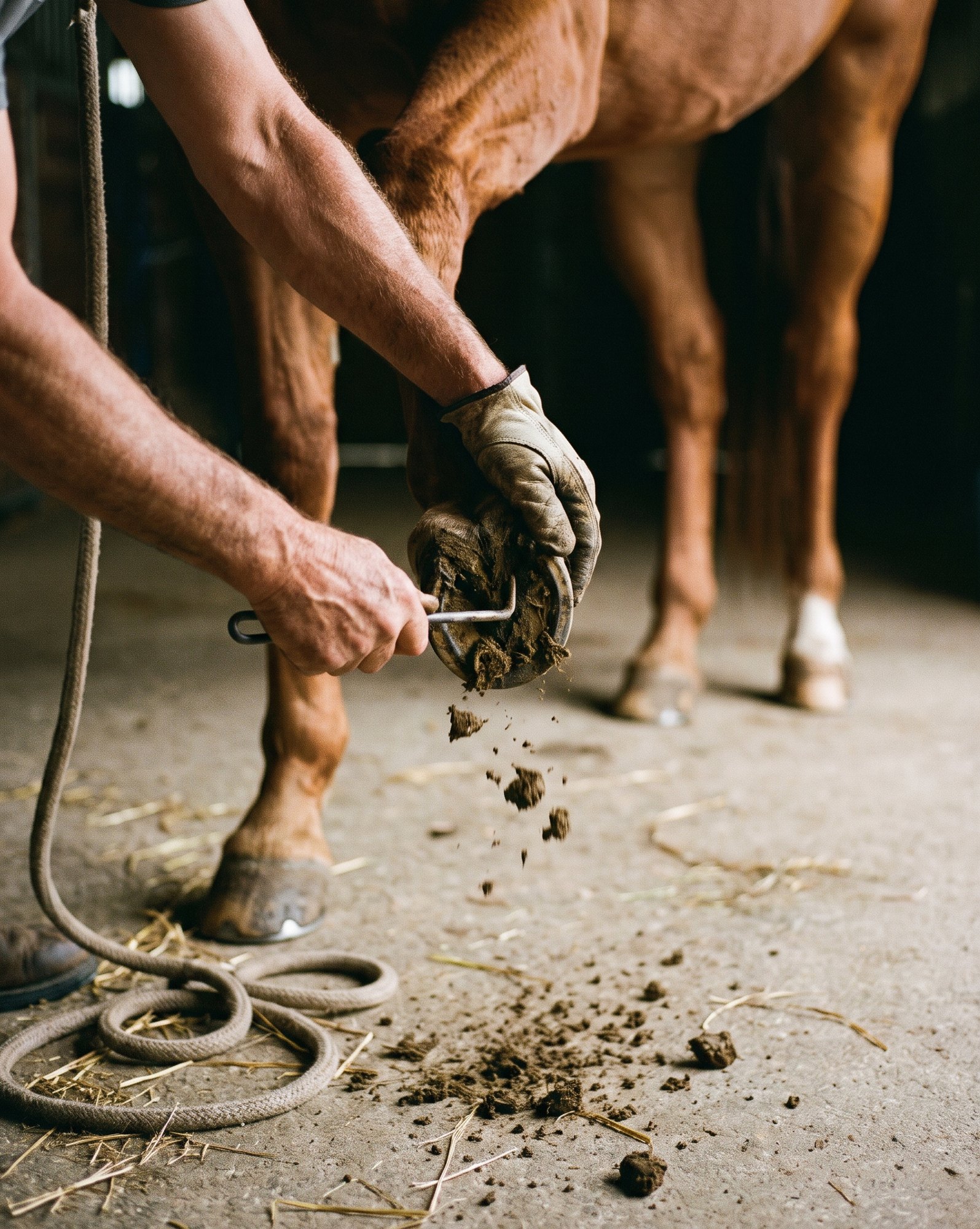
Less washing, more drying. Hosing mud off the legs every evening keeps the skin wet for another hour; letting the mud dry and brushing it off keeps the skin dry. On the days the legs must be washed, dry them with a towel, properly, heel by heel. Give the horse somewhere dry to stand for part of every day: a hard standing, a stable, a strip of the field that drains. Move the hay so the horses do not stand in the same trampled corner. Check the heels every day with your hand, because the scab is felt before it is seen.
When two or three small scabs appear, act that day: clip the hair if the leg is feathered, soften and lift the scabs with a wash the vet has recommended, dry, and apply a thin barrier. Keep the horse out of the mud until the skin has closed. Turnout boots and over-reach boots that hold mud against the pastern make it worse, not better; take them off in the wet weeks unless the horse needs them.
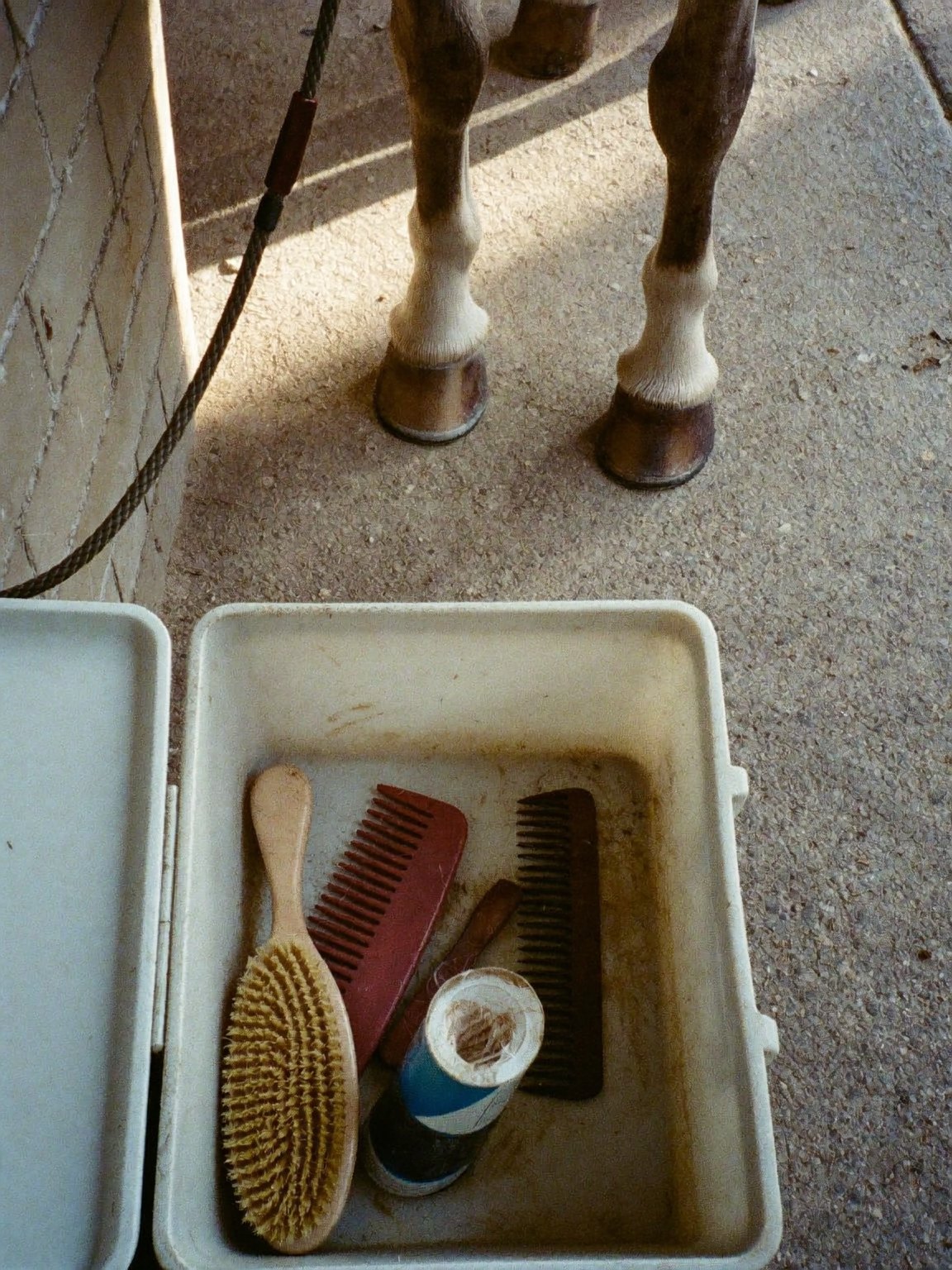
A soft towel that lives at the yard, a clean body brush for legs only, a hoof pick with a brush, a barrier cream the vet is happy with, and small scissors or clippers for a feathered leg. The grooming and stable categories below carry the pieces we have selected.
When it needs the vet
Heat and swelling that go up the leg, a horse that is lame or will not let you touch the leg, scabs that spread despite a week of the routine, or a fever: those are the vet’s, because the infection can move deeper into the skin and, rarely, into the lymphatics of the leg. Antibiotics are sometimes needed and only the vet decides that. A horse that gets mud fever every year in the same place is also worth a conversation, because the underlying cause may be mites or the skin’s own weakness rather than the mud.
For most horses on most yards, though, the season passes with a towel, a dry corner and an owner who checks the heels every evening. The hoof abscess article below covers the other thing the October rain does to feet.
Dry legs beat clean legs. Keep the heels dry, check them every day, and treat at two scabs, not twenty.
- Mud fever is a skin infection of the pastern and heel that starts when wet, cracked skin lets ordinary yard bacteria in.
- Mallorca’s sudden wet after a dry summer cracks skin faster than a steady damp climate; the island’s clay mud clings and crusts.
- Brush dry mud off rather than hosing legs; dry heels with a towel; give the horse a dry place to stand every day.
- Act at two small scabs: clip, clean as the vet advises, dry, barrier, and keep out of the mud until the skin closes.
- Heat up the leg, lameness, spreading scabs or fever: the vet, the same day.
General editorial guidance, not veterinary advice. Heat and swelling up the leg, lameness, spreading lesions or a fever need a vet the same day.