Abscess Season: The Wet-Weather Hoof on Mallorca
Five months of hard, dry ground, then the first heavy rain. The hoof that was a rock in August is a sponge by November, and that is when the lameness calls start.
Every yard on the island knows the pattern: the October rain arrives, and within a fortnight a horse is hopping lame on one foot with no wound and no heat anywhere but the hoof. Why the wet-season hoof abscesses, what the farrier and vet will do, what the owner can do at the yard without making it worse, and the small amount of kit that turns a two-person soaking job into a one-person one.
Wet after dry is what opens the hoof. Keep the feet trimmed and picked, act on sudden lameness the same day, and have the soaking kit before you need it.
Why the wet season, and why here
A hoof is horn, and horn takes on water. Through a Mallorca summer the foot dries to something close to stone: hard, brittle at the edges, prone to chipping but sealed against bacteria. When the autumn rain comes the horn softens over days, the white line, the junction between wall and sole where the hoof is weakest, opens fractionally, and the bacteria that live in every yard find a way in. Trapped under a hard wall, the infection builds pressure, and pressure inside a hoof is what makes a horse look as if it has broken a leg overnight.
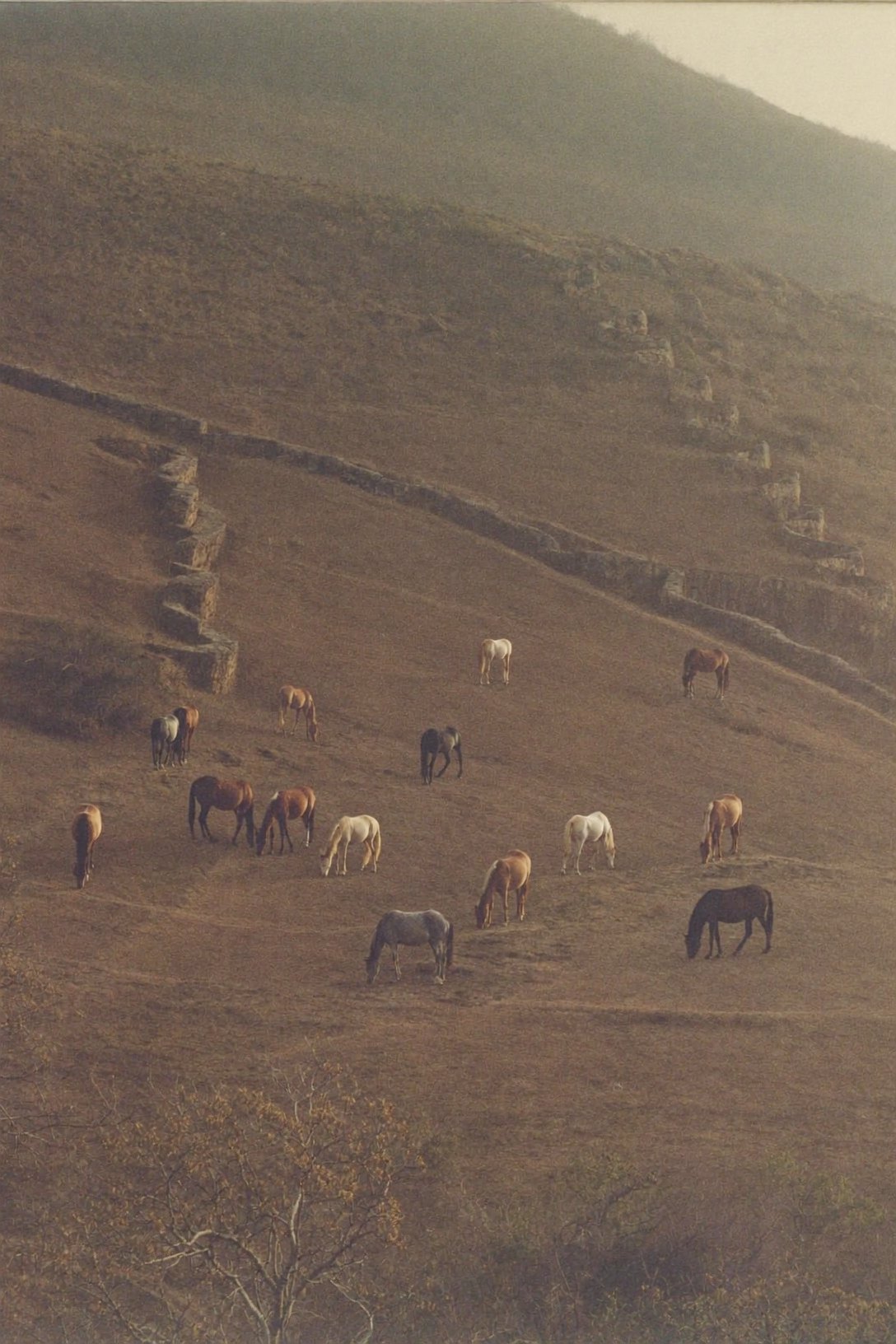
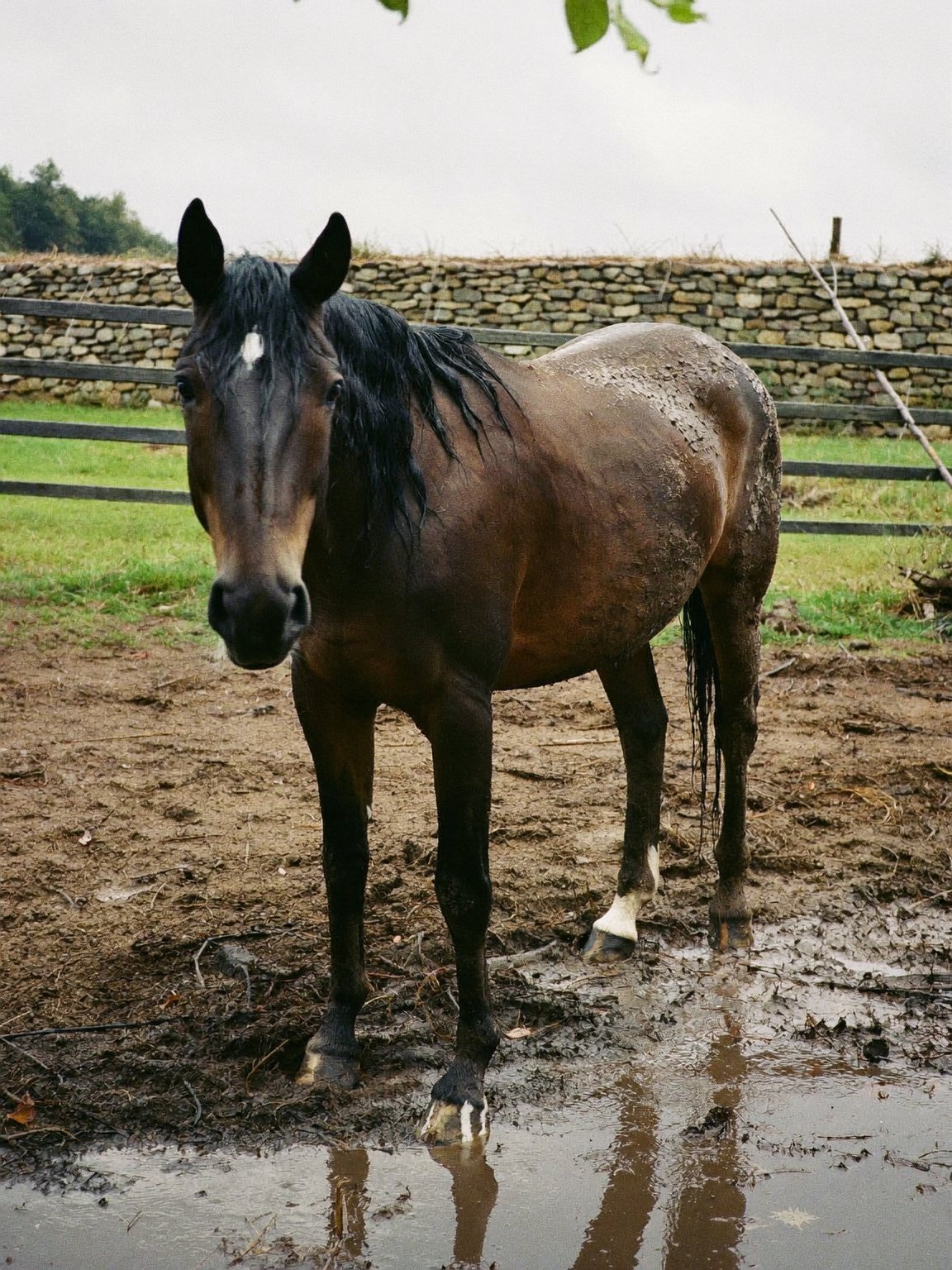
The island makes this worse than a damp northern climate does, because the swing is so sharp. A horse in Ireland lives on soft ground all year and its feet are used to it. A horse here goes from bone-dry to standing in mud in a week. Yards with clay soil, fields that hold water, and paddocks where the horses gather at a gateway are where the first cases come from.
What an abscess looks like
The classic picture is sudden, severe lameness on one leg, often overnight, in a horse that was sound yesterday. There is usually no swelling above the hoof at first, the leg is cool, and the horse points the foot or refuses to put weight on it. The hoof itself may be warm, the digital pulse at the back of the pastern is strong, and pressing the sole or the wall with hoof testers finds a spot the horse objects to. In a day or two a swelling may appear up the leg as the infection tracks, and a soft spot can develop at the coronet or the heel where it is looking for a way out.
It is a diagnosis for a professional, because the same picture can be a fracture, a nail in the foot, laminitis or a bruised sole, and the treatments are different. What the owner can do is be sure of the timing: a horse that was sound at evening feed and three-legged in the morning is far more likely to have an abscess than anything else, and that is worth saying on the phone.
Sound last night, three-legged this morning, no heat in the leg: that is the abscess signature.
The farrier and the vet
On Mallorca the first call is often the farrier, and for a straightforward abscess that is right: an experienced farrier will find the entry point with hoof testers, pare a small opening at the sole or the white line to let the pus out, and the relief is usually immediate. A vet is needed if the farrier cannot find it, if the horse is not markedly better within a day of drainage, if there is heat and swelling up the leg, if the horse has a temperature, or if there is any chance of a puncture wound, which can involve structures far more serious than an abscess.
The advice after drainage is the same from both: keep the opening clean and draining for a few days, soak or poultice to draw the last of the infection, keep the horse out of mud, and let the hole close from the inside. Antibiotics are not routinely needed for a drained abscess and a vet will say when they are.
Soaking and poulticing without the fight
The standard instruction is to soak the foot in warm water with Epsom salts for fifteen or twenty minutes, then apply a poultice and keep it on overnight. Anyone who has tried to keep a horse’s foot in a bucket for twenty minutes, then wrap a wet poultice in a nappy and duct tape on a wet yard, knows why the instruction is so often abandoned by day three. The foot comes out of the bucket, the tape will not stick to wet horn, and the whole thing is in the mud by morning.
A moulded hoof sock changes that. A boot-shaped, breathable sock holds the soak on the foot for the twenty minutes, holds the poultice on overnight without tape, and goes on in a minute by one person. The breathable part matters: a foot sealed in plastic for days stews and the horn softens further, which is the opposite of what is wanted. Rinse the sock after each use and keep two, one on the foot and one drying. For the days after the poultice comes off, a hoof boot or the same sock over a dry dressing keeps the opening clean in a muddy field.
Keep a written note of what was done each day and when the horse came sound. The vet or farrier will ask.
A hoof soaking sock in the horse’s size, Epsom salts, a ready-made poultice pad, a roll of cohesive bandage and a roll of adhesive tape for the days without the sock, a hoof pick, and the farrier’s and vet’s numbers where the yard can see them. The stable and grooming categories below carry the pieces.
Feet that lose fewer shoes
The other wet-season complaint is the lost shoe. Horn that softens grips a nail less well, a field that turns to mud sucks at the foot, and a horse that has overreached in the wet takes the front shoe off with its hind toe. Two things reduce it: a farrier cycle kept at six weeks through the winter rather than stretched to eight, and over-reach boots for turnout on a horse that has done it before. A pulled shoe on Mallorca often means a week’s wait for the farrier, which is a week of a barefoot horse on wet stony ground, and that is how a second abscess starts.
Hoof supplements sit in this conversation too, and honestly: biotin and the minerals that go with it can improve horn quality over months, they are not a treatment for anything, and the foot you are looking at was made in the spring. If the feet are chronically poor, a supplement started now is a decision about next summer, not this winter.
The prevention that is actually possible
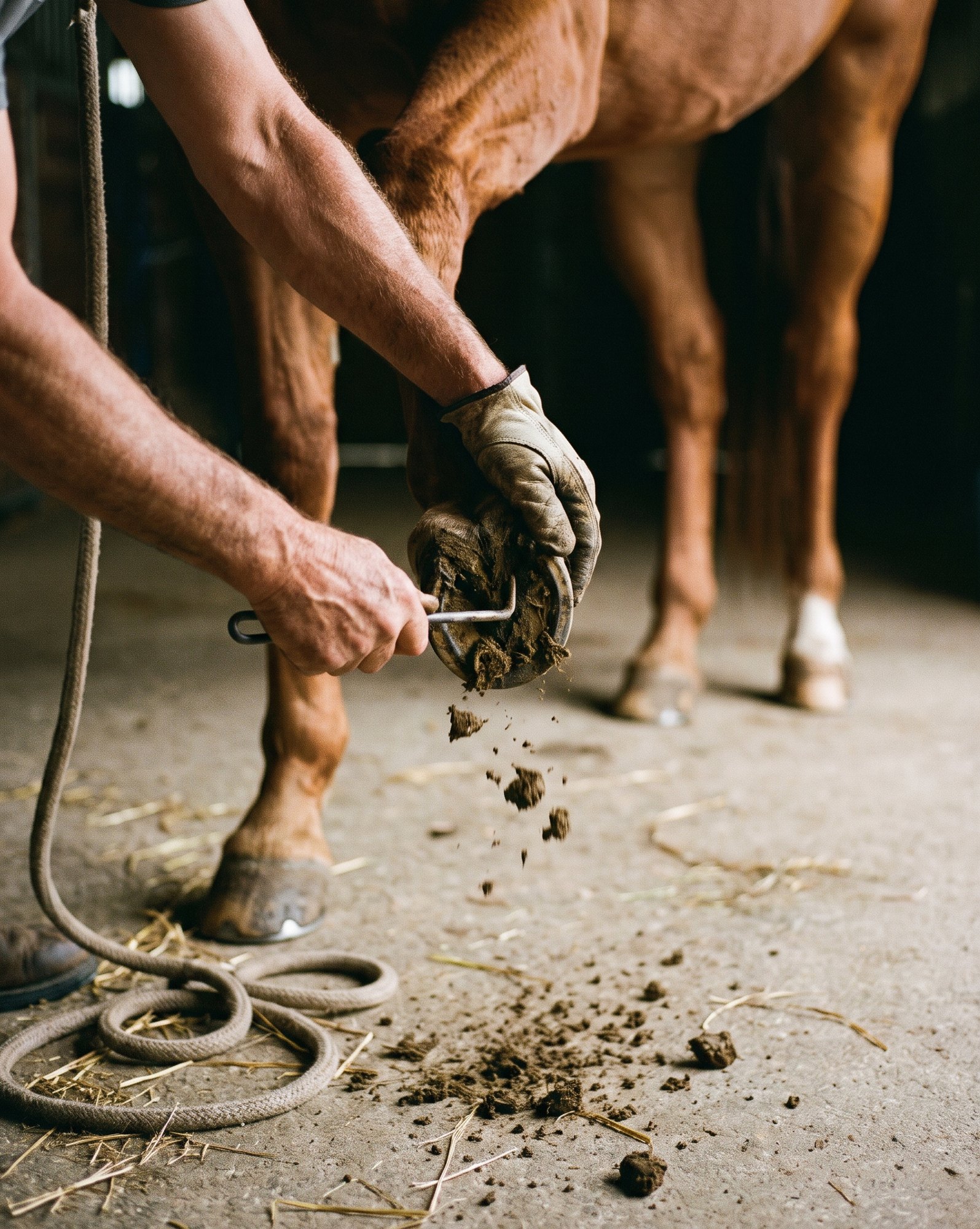
Nobody prevents every abscess, but a few habits cut the number. Pick the feet out every day, because a stone lodged in the white line for a week is an abscess with a timetable. Keep the trimming cycle short, because long toes and flared walls open the white line. Give the horse somewhere dry to stand for part of the day: a hard-standing, a shelter, or simply a field gate that is not a bog. And know your horse’s feet in September, so that a soft spot or a black line at the white line in November is noticed before it is a lameness.
The hoof guide below covers the rest of the year. This is the season’s chapter. A horse that has abscessed once is more likely to do so again in the same foot, so the second autumn is when the prevention pays.
Wet after dry is what opens the hoof. Keep the feet picked and trimmed, act the same day, and have the kit before you need it.
- The abscess season is the wet season after the dry one: softening horn opens the white line and lets bacteria in. Here the swing is sharper than in a damp climate.
- Sudden severe lameness on one leg, no heat above the hoof, strong digital pulse: the abscess picture, and a call to the farrier or vet the same day.
- Drainage brings relief. Soaking and poulticing finish the job, and a breathable hoof sock makes that a one-person task without tape.
- Six-week farrier cycles and over-reach boots for turnout cut the lost shoes that lead to the next abscess.
- Daily picking out, short trimming cycles and a dry place to stand are the prevention that works. Supplements improve next year’s horn, not this month’s.
General editorial guidance, not veterinary advice. Sudden lameness, heat in the leg, a temperature or any suspicion of a puncture wound need a vet the same day.