Clipping a Horse on Mallorca: Which Clip, When, and What It Changes
The northern rule is clip in October and rug until March. On an island where December afternoons reach eighteen degrees, that rule needs rewriting.
The winter coat comes in on the daylight clock while the weather is still warm, and a horse in regular work sweats under it from late September. Clipping is the obvious answer and the most misapplied one. Which clips exist, which of them make sense in a Mediterranean winter, when to do it, what the horse needs afterwards, and the honest case for not clipping at all.
Clip for the work the horse does, not for the calendar. Take off less than you think, and rug for the night, not the day.
Why clip at all
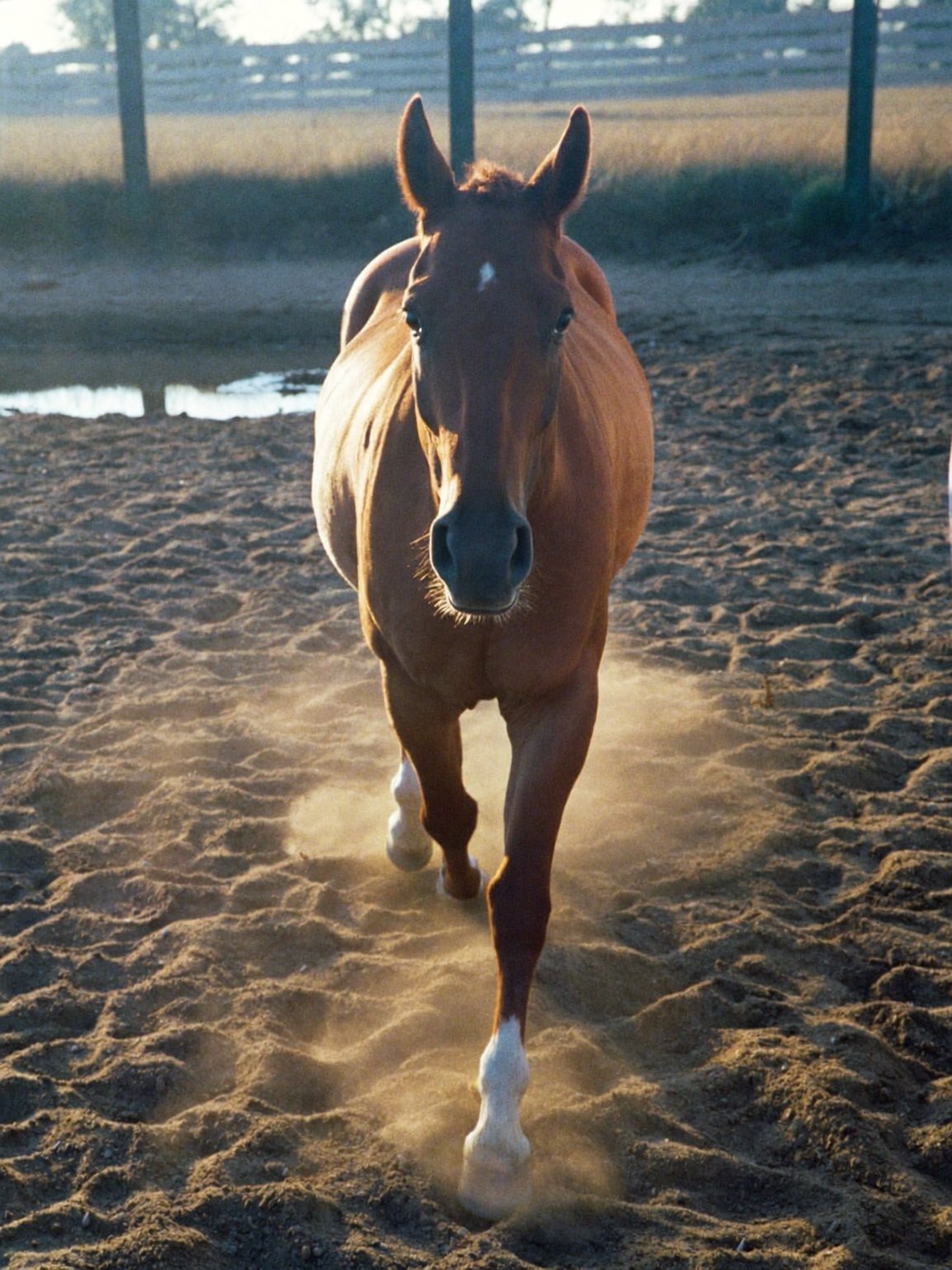
A horse grows its winter coat in response to shortening days, not to cold, so by mid-October a Mallorca horse carries a coat designed for a climate it does not live in. A horse that is ridden four or five times a week sweats into that coat, takes an hour to dry, and stands wet in an evening breeze. That is the whole case for clipping: it lets a working horse sweat, dry and cool the way it did in July. It is a case about work, not about temperature.
It follows that a horse in light work, a retired horse, a youngster or a horse that lives out and is ridden at weekends has no reason to be clipped. Its coat is doing exactly what it should, and taking it off creates a rugging obligation for five months in exchange for nothing.
The clips, from least to most
The clips are named for how much they remove. A bib clip takes the hair off the front of the neck and chest, where a horse sweats first. A trace clip extends that along the underside of the neck, the belly and up the flanks to a line roughly where the traces of a harness would run, leaving the back, loins and legs covered. A blanket clip removes the neck and body but leaves a saddle-shaped area over the back and the legs. A hunter clip takes everything except the legs and a saddle patch. A full clip takes everything.
For the island the useful end of that list is the first three. A bib clip suits a horse in light work that sweats on the neck. A trace clip is the everyday answer for a horse in regular schooling. A blanket clip is for a horse in hard work, competing through winter, on a yard that rugs properly. A hunter or full clip on Mallorca is a decision to rug heavily from November to March, and it is usually a decision imported from somewhere colder.
A trace clip covers most working horses on the island. Everything beyond it is a rugging commitment.
The Mallorca calendar
The first clip goes on when the horse starts sweating in normal work and drying slowly, which here is usually the second half of October. Earlier than that and the coat is still growing through, so the clip looks patchy within a fortnight. Later and the horse has spent a month working wet. A second clip in December or January tidies the regrowth and is optional. Clipping after the end of January is best avoided, because the summer coat is already being triggered and a late clip can leave a patchy spring.
Watch the weather for the week after. The island’s first cold, wet spell often arrives in late October or November, and a freshly clipped horse has lost its insulation on the day it needed it. Clip before a settled week, or have the rug ready on the same afternoon.
The day itself
Clip a clean, dry horse. Dust is the island’s constant, and a coat full of it blunts blades in ten minutes and drags on the skin. Bathe the day before if the weather allows, or at least groom hard and let the horse dry completely. Mark the clip lines with chalk or damp fingers, work against the hair with long overlapping strokes, and keep the skin taut over the elbows and flanks with a free hand.
Oil the blades every ten minutes, check their temperature against your forearm, and stop when they warm up. Cordless clippers have changed this job on yards without a socket by the wash bay, and a brushless motor runs quieter, which matters to a horse doing this for the first time. Two batteries or a spare will finish a trace clip on one horse. A full clip on a big horse needs more than that. Blades want sharpening after two horses, sooner if the coat was dusty.
Afterwards the horse is itchy, cold and covered in short hair. A quick wipe with a warm, damp cloth and a light coat conditioner takes the itch out. A cooler goes on straight away while the horse dries, and then the rug.
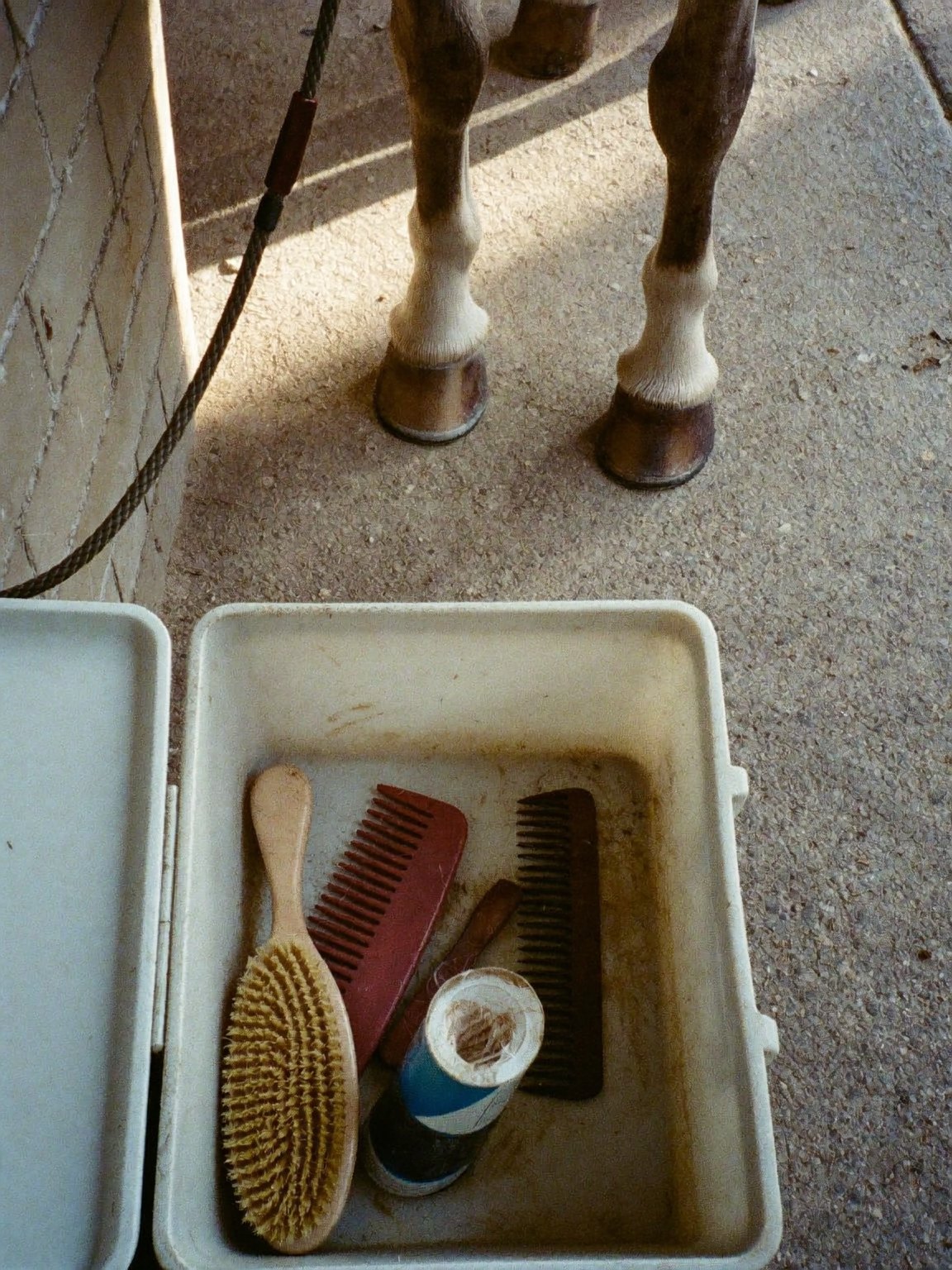
A clipper the horse can tolerate, sharp blades and a spare set, clipper oil, a clean horse, a cooler for afterwards and someone to hold the head. Everything else is nice to have. The grooming and rugs categories below have what we would take.
Rugging a clipped horse here
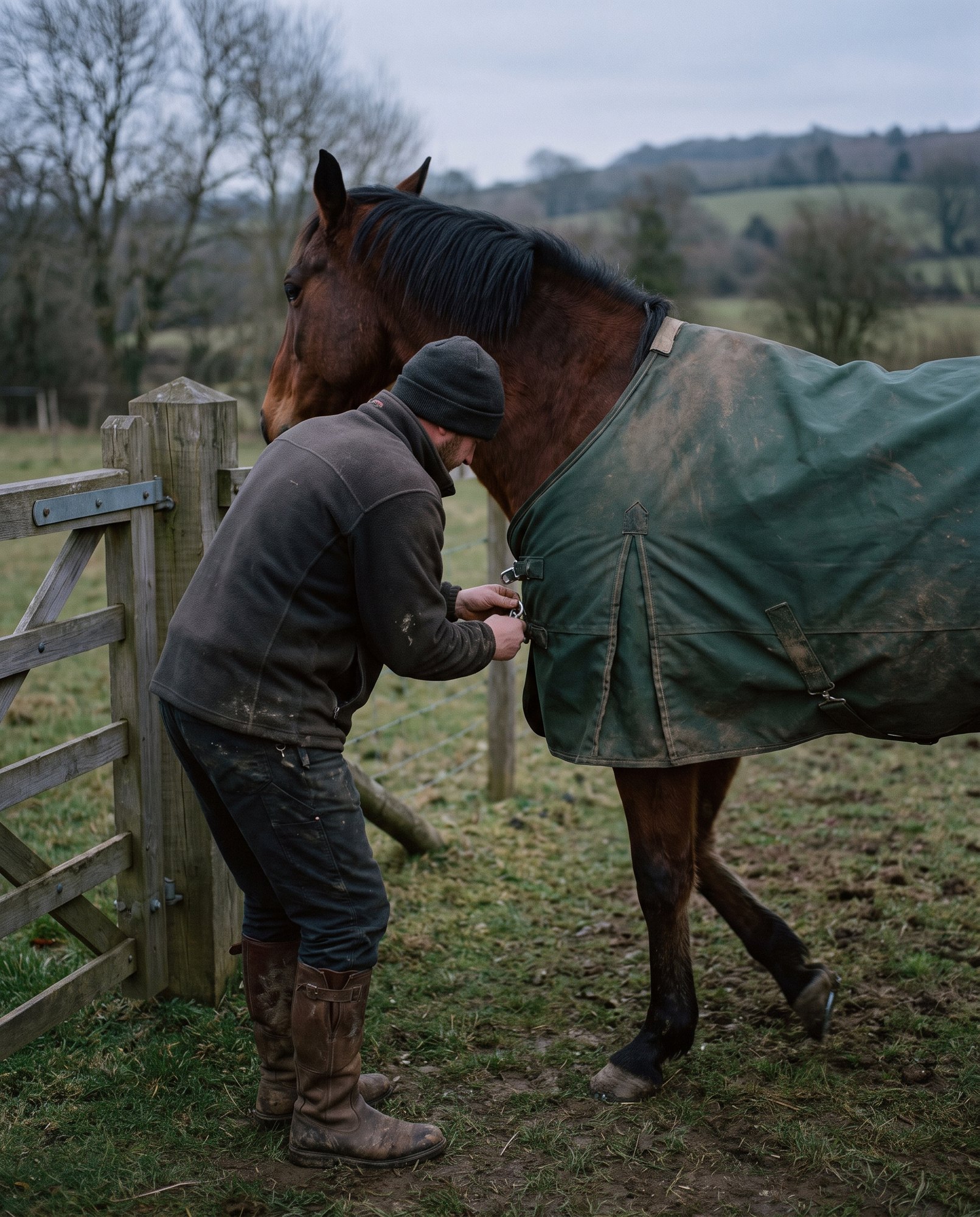
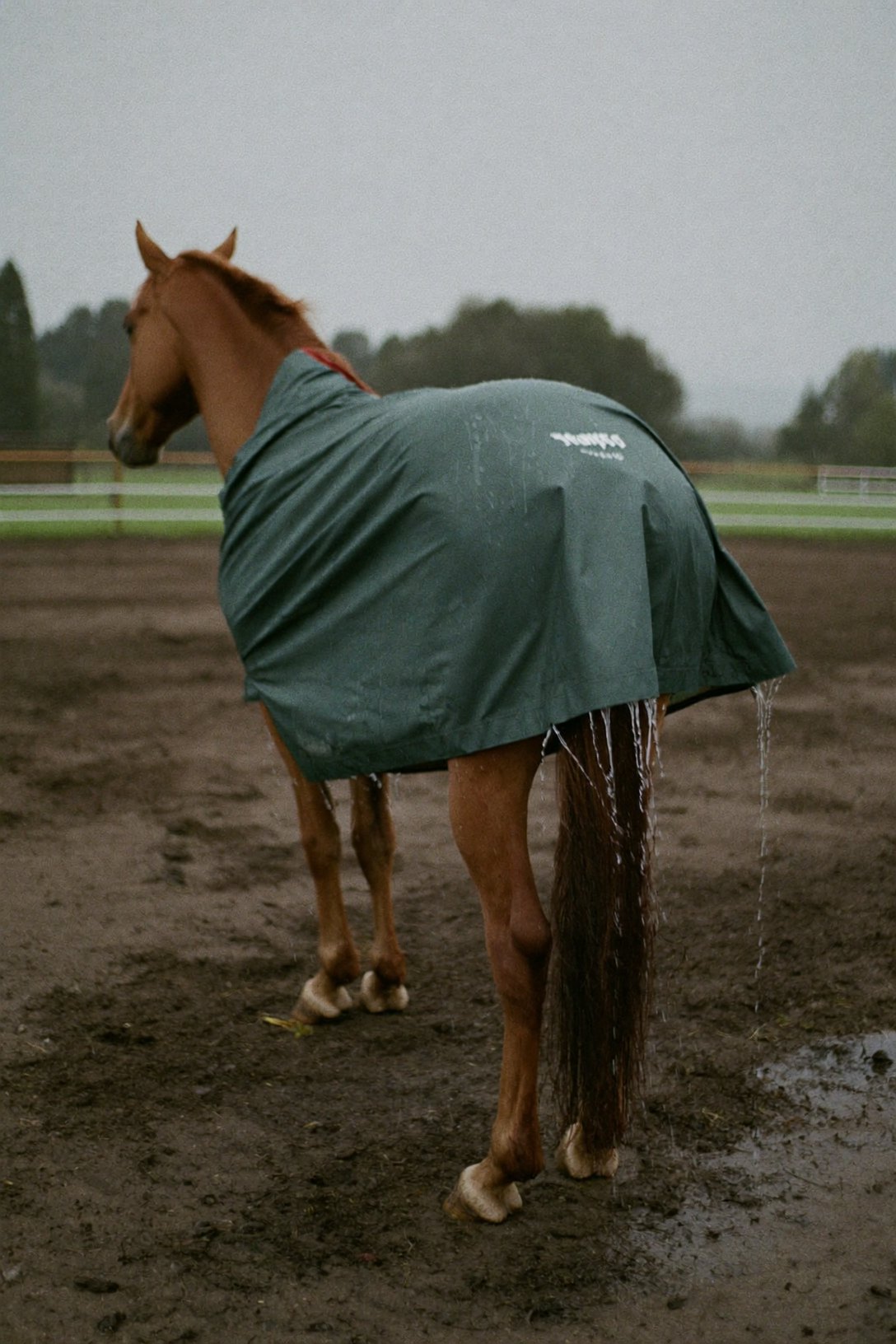
This is where the imported rule does the damage. A clipped horse in northern Europe wears a medium turnout by day and a heavier one by night from November onwards. On Mallorca the same horse stands in eighteen degrees at two in the afternoon and eight degrees at two in the morning, and the rug that suits one is wrong for the other. The practical pattern is a 0g rain sheet or nothing by day, a 100g or 200g turnout at night once the nights drop below about ten degrees, and a heavier rug only for the ten or so nights a winter that fall towards freezing.
The turnout guide has the rugging temperature table for the Mediterranean. What a clipped horse needs is to move down that table by one row, and no more. A trace-clipped horse keeps its back covered and needs less again. Check the horse, not the forecast: a hand under the rug behind the withers should find warm, dry skin, never damp and never hot.
The case for leaving the coat
Most horses on the island do not need clipping. A horse in light work that is ridden early or late, walked dry, and given a cooler for twenty minutes after work gets through a Mallorca winter in its own coat with no rug at all, which is the cheapest, simplest and in most cases the most comfortable arrangement for the horse. The coat change guide covers how to manage the sweat without reaching for the clippers.
The exceptions are real: a horse in daily schooling or competing, a horse with a heavy coat from a cob or pony line, an older horse that grows a coat that does not shed, which is a vet question before it is a clipping one. For those, a trace clip in late October, a night rug from November, and a second look in January is the whole plan.
Clip for the work, not for the calendar. Take off less than you think, and rug for the night.
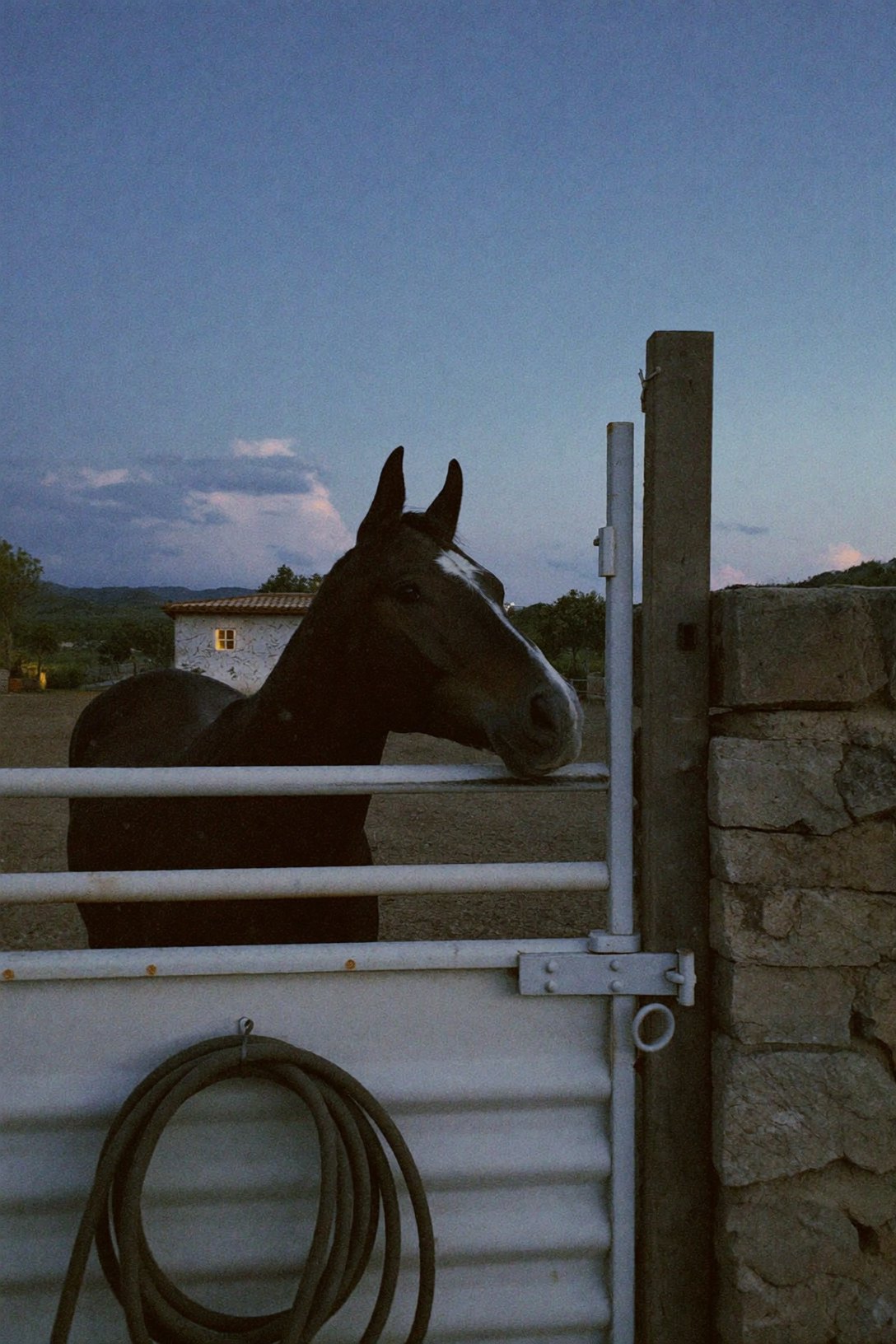
- Clipping is about work: a horse that sweats in regular schooling from October benefits. A horse in light work does not.
- Bib, trace and blanket clips cover Mallorca. Hunter and full clips are a five-month rugging commitment imported from colder climates.
- First clip in the second half of October, optional tidy in December or January, nothing after the end of January.
- Clip a clean, dry horse with sharp, oiled blades. A cooler goes on straight after, then the rug.
- A clipped horse here needs a night rug from about ten degrees and little or nothing by day. Move one row down the rugging table, not three.
General editorial guidance, not veterinary advice. A coat that will not shed, unusual sweating or weight loss belong with your vet before any clipper is switched on.