What Belongs in a Good Grooming Kit?
Every item earns its place, or it doesn’t belong.
A grooming kit is where marketing works hardest, the ten-piece set in a smart bag. The honest kit is shorter than that.
Five tools do the work.
Everything else is a duplicate, a specialist buy, or filler.
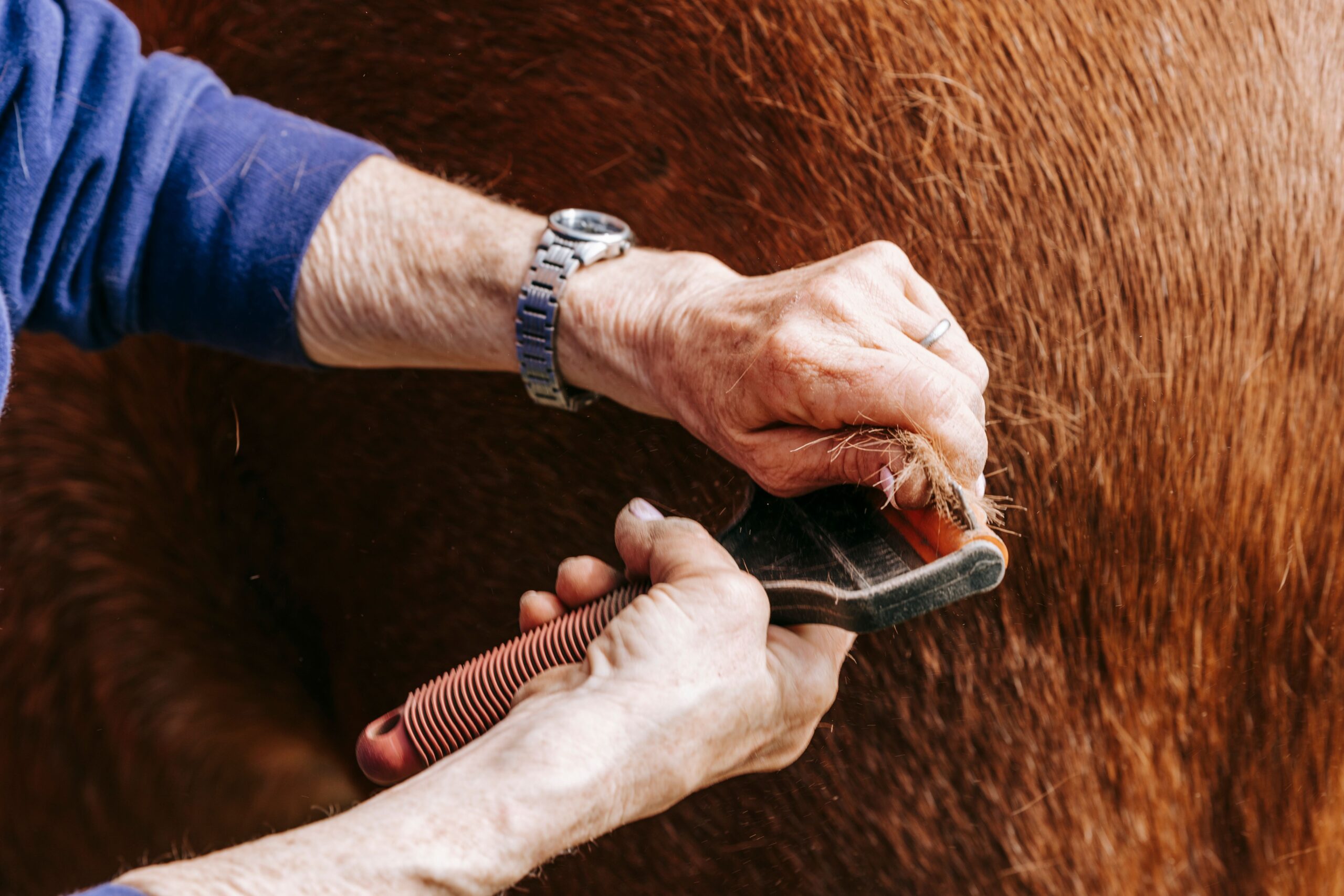
Most of what a grooming kit needs to do is done by four or five tools. The rest of the boxed set is either a nicer version of one of those, a specialist item you buy separately when you need it, or filler. This is the working kit, and the two things about grooming that matter more than the shine.
The five that do the work
Grooming a horse is a sequence: lift the dirt, flick it off, lay the coat, do the feet, do the delicate bits. Five tools cover it.
Circular strokes on fleshy areas to lift dirt, dried sweat and loose hair.
Stiff bristles, short flicking strokes, to sweep off what the curry lifted.
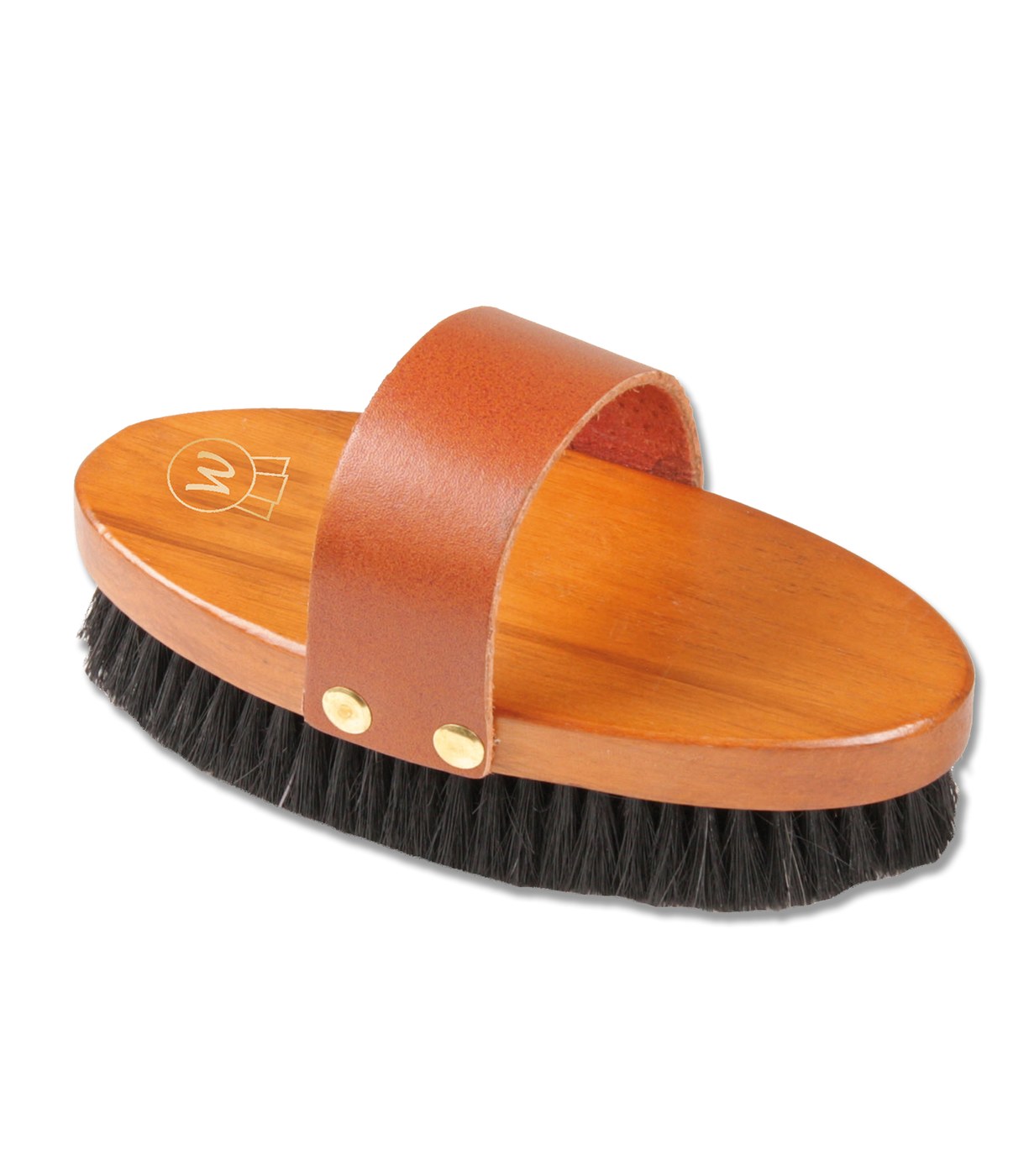
Soft, dense bristles, firm short strokes to lift fine dust and lay the coat.
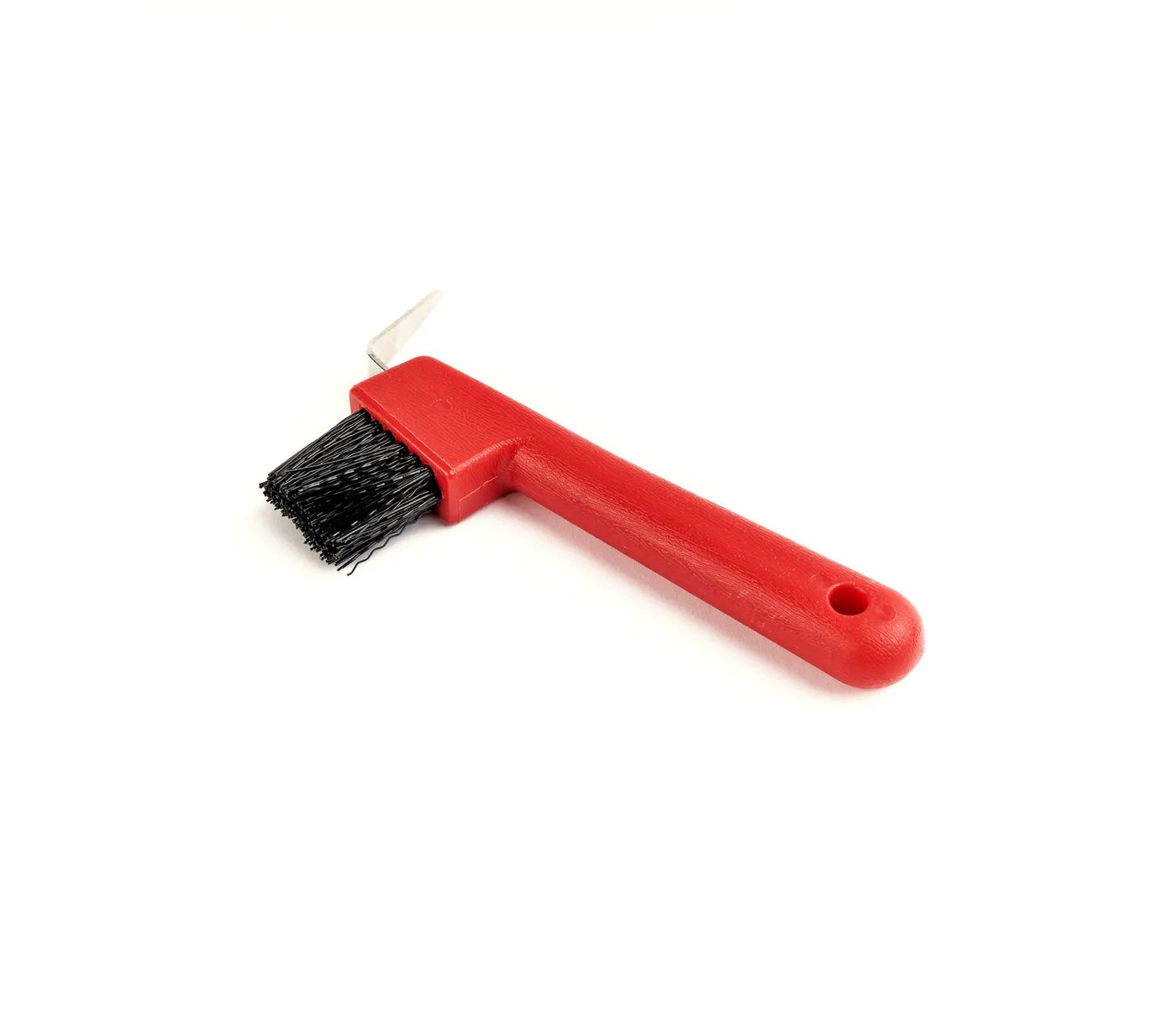
With a brush end. Heel to toe, both sides of the frog, every day.
Colour-coded, one for eyes and nose, one for the dock. Never the same for both.
The rest of a sensible kit
Beyond the core five, a handful of extras make a complete everyday kit, and that really is the end of the list. Everything past this point is either specialist or a duplicate.
The complete everyday kit- Rubber or gel curry comb
- Dandy / stiff brush
- Body brush + metal curry comb to clean it
- Hoof pick with brush, plus a spare
- Two colour-coded sponges or cloths
- Mane/tail comb + detangler spray
- Soft face brush
- Sweat scraper
- Stable rubber
- A washable, draining box
One good brush beats five cheap ones
The one place to spend is the body brush. A good one has dense, springy bristles set in a comfortable back, moves grease and fine dust properly, and lasts for years. A bargain one sheds bristles, skates over the coat and never really cleans. Natural bristle holds and moves the coat’s natural oil well and is worth it here. Synthetic is fine, and easier to wash, for the dandy brush and the curry.
Buy the body brush and the hoof pick well. On everything else, mid-range is fine, the boxed set is often five thin brushes that each half-work.
Grooming is a health check
The real value of a daily groom is not the coat. It is that you put a hand and an eye on every part of the horse, close up, once a day, and that is when problems are found: heat in a leg, a new lump, a filled joint, a small cut hidden under dried mud, ticks in the mane or under the tail, scurf in the girth area, a flinch along the back.
A flinch or a reaction along the back under the brush is a saddle-fit clue as much as a health one.
When to groom less
A horse living out, particularly an unrugged one, needs the grease and scurf in its coat, it is part of its waterproofing and insulation. Working a body brush hard through a turned-out horse in winter strips that layer and leaves it colder than before you started. Groom lightly: pick the feet daily, run your hands over the whole horse, knock the worst mud off once dry, and put the body brush away until spring. Save the full groom for stabled, rugged or clipped horses.
Hygiene: one kit per horse
Ringworm, rain scald and other skin infections travel readily on shared brushes, numnahs and rugs, and ringworm in particular can pass from horse to horse before any visible lesion appears. The simple, effective rule is one labelled grooming kit per horse, not lent around the yard.
Wash it, disinfect it and let it dry completely before it touches another horse. Wash the whole kit periodically regardless, a body brush packed with old grease and skin cells is barely grooming anyway.
The clipping and bathing kit
Don’t let a grooming-kit purchase quietly become a clipping-and-bathing spend. Clippers, spare blades, blade wash and oil are their own kit, bought when you actually clip. A full bath is an occasional event, not a routine, and over-bathing strips the coat of its oils exactly the way over-brushing does. Add these lists when the need is real, not because they came in the bundle.
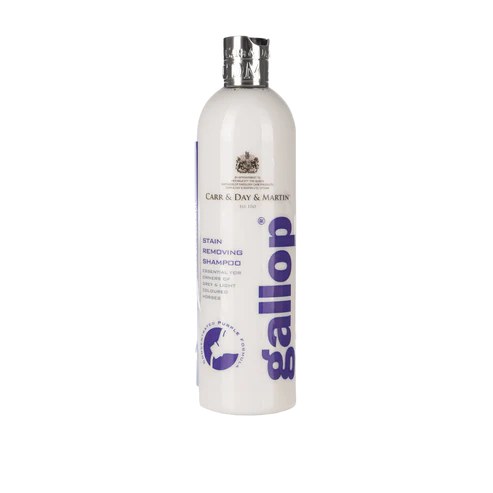
Our grooming selection is built around the working kit above, a body brush worth keeping and a decent hoof pick, rather than a twelve-piece box.
A machine can make a horse clean. Only a person finds the filled tendon or the tick, and grooming is the daily habit that puts them there to find it.
Five tools do the work: rubber curry, dandy brush, body brush, hoof pick, two colour-coded sponges.
A complete kit adds a mane/tail comb, a face brush, a sweat scraper, a stable rubber and a washable box.
Spend on the body brush and hoof pick. Mid-range is fine for everything else.
The point of a daily groom is the hands-on health check, not the shine.
Groom a turned-out, unrugged horse lightly in winter so you don’t strip the coat’s grease.
One labelled kit per horse. Ringworm spreads on shared brushes, sometimes before lesions show.
Clippers and bathing kit are separate lists, bought when the need is real.
General editorial guidance, not veterinary advice. Any skin lesion, persistent scurf, lump, swelling or heat found while grooming should be checked with your vet.
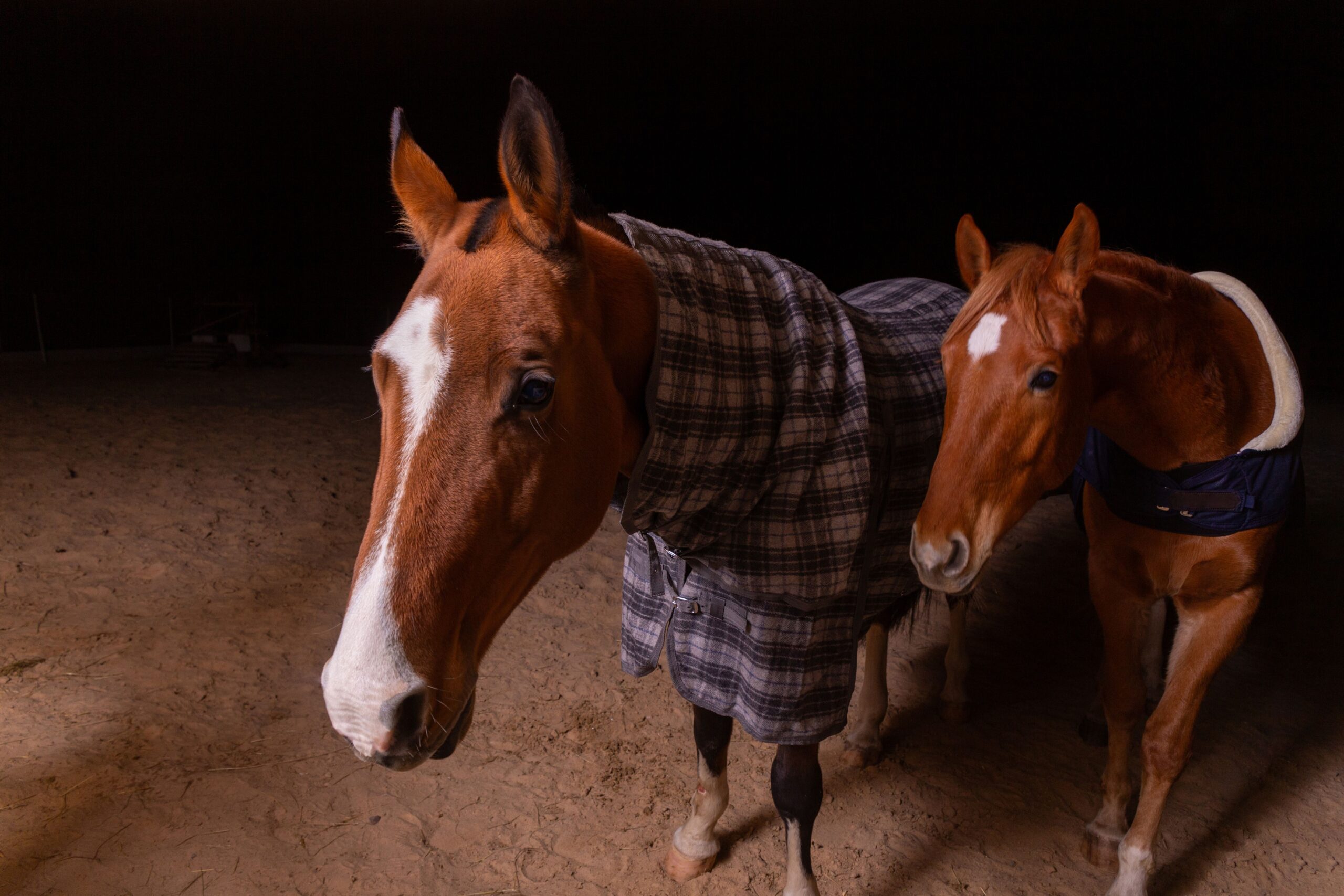 Horse Care
Rug Season Timeline: What to Do, and When
Why a turned-out horse’s coat grease is worth keeping.
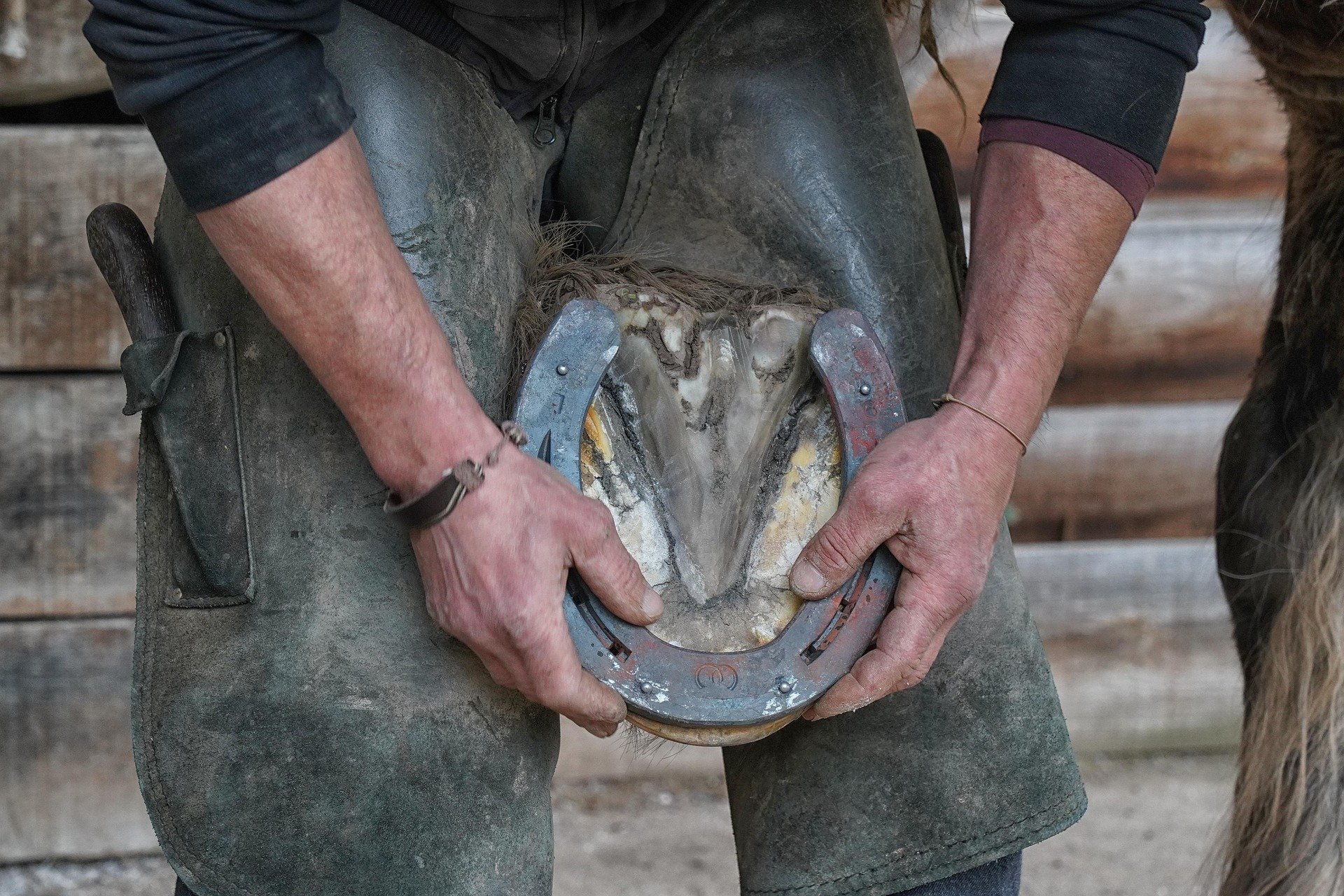 Horse Care
Horse Hoof Care: What Owners Should Actually Know
The daily foot check that goes with picking out.
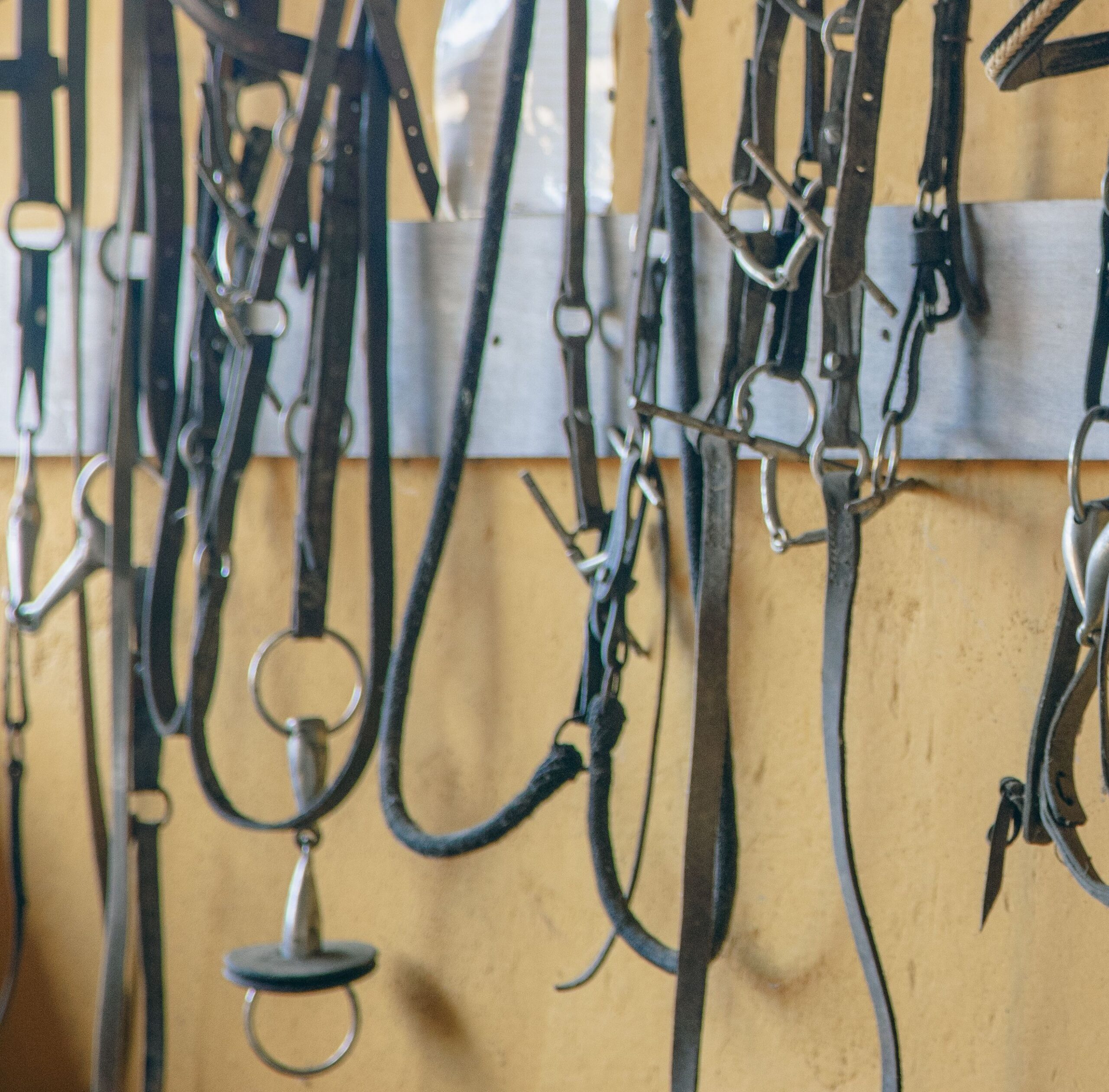 Buying Guides
Saddle Fit: The Basics Every Rider Should Understand
A back reaction under the brush is a fit clue.