In Praise of Doing Less to Your Horse
Most horses do better when their owners intervene less.
A magazine about horse care can end up reading like a list of things you must buy and do. Read back over ours, and a quieter message keeps surfacing.
Doing less costs you mostly the discomfort of a horse that looks rougher than the gleaming one next door.
The pattern
Put the care articles from this magazine side by side, rugs, winter preparation, hoof care, the grooming kit, and the same conclusion keeps arriving from different directions. The healthy horse is tougher, more self-sufficient and more tolerant of cold, weather and a bit of benign neglect than its worried owner believes. The interventions we reach for most readily are the ones a horse least needs, and several of them make things slightly worse. This is a short argument for restraint, and for why restraint is the harder skill, not the lazy one.
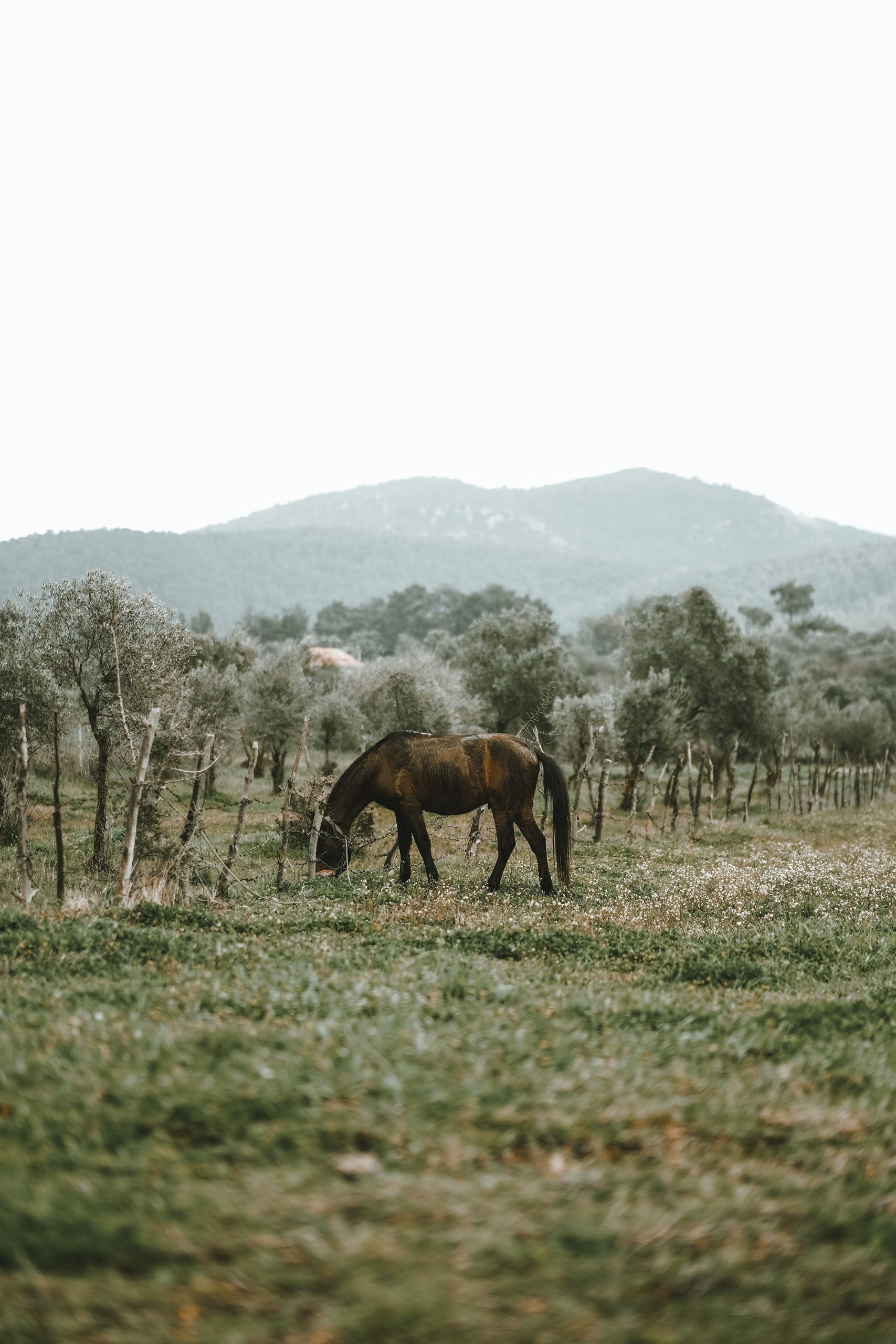
It shows up everywhere once you look. A healthy, unclipped, acclimatised horse with shelter often needs no rug until the temperature is near freezing, and is far more likely to be sweating under one in November than shivering without it. A turned-out horse’s coat needs its grease and scurf for waterproofing, so brushing it hard in winter strips the very thing you were trying to improve. A horse on a balanced diet rarely needs the supplement scoop, which mostly reassures the owner. A worming programme run on the calendar instead of on a test does little for the individual horse and quietly breeds resistance for every horse.
None of this is fringe opinion. It is the mainstream of current equine guidance, and each of the articles this piece draws on lays out the evidence in full. What is striking is how consistently the honest answer turns out to be “less than you think, and less often.”
Where “more” comes from
The pull toward doing more is not stupidity. It is three ordinary things stacked together.
We reason from ourselves. We feel cold at eight degrees and reach for a coat, so it is a small step to assume the horse feels the same. Our comfortable temperature range simply sits higher than a horse’s, and rugging to our own thermostat is one of the commonest ways to make a horse less comfortable.
We act on what we can see. A duller coat, a muddy leg, a bit of scurf, these are visible, and brushing, bathing and rugging are visible responses. The horse quietly coping is not a photograph anyone takes.
The product exists. When there is a scoop, a spray or a heavier blanket on the shelf, buying it feels like care, especially when an online thread stands ready to call you neglectful whichever way you go.
Doing something is always emotionally easier than trusting the animal to be fine.
What “less” is not
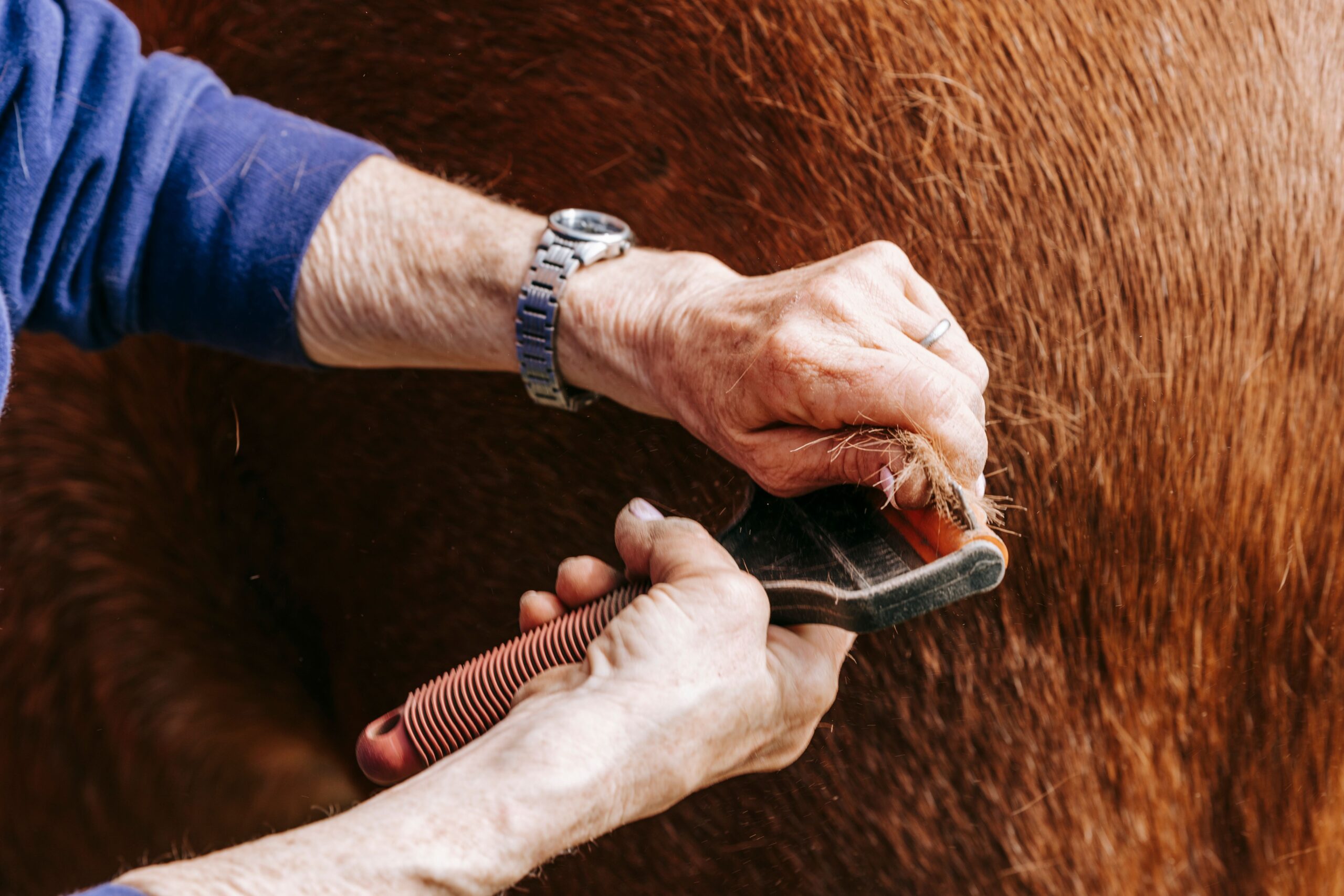
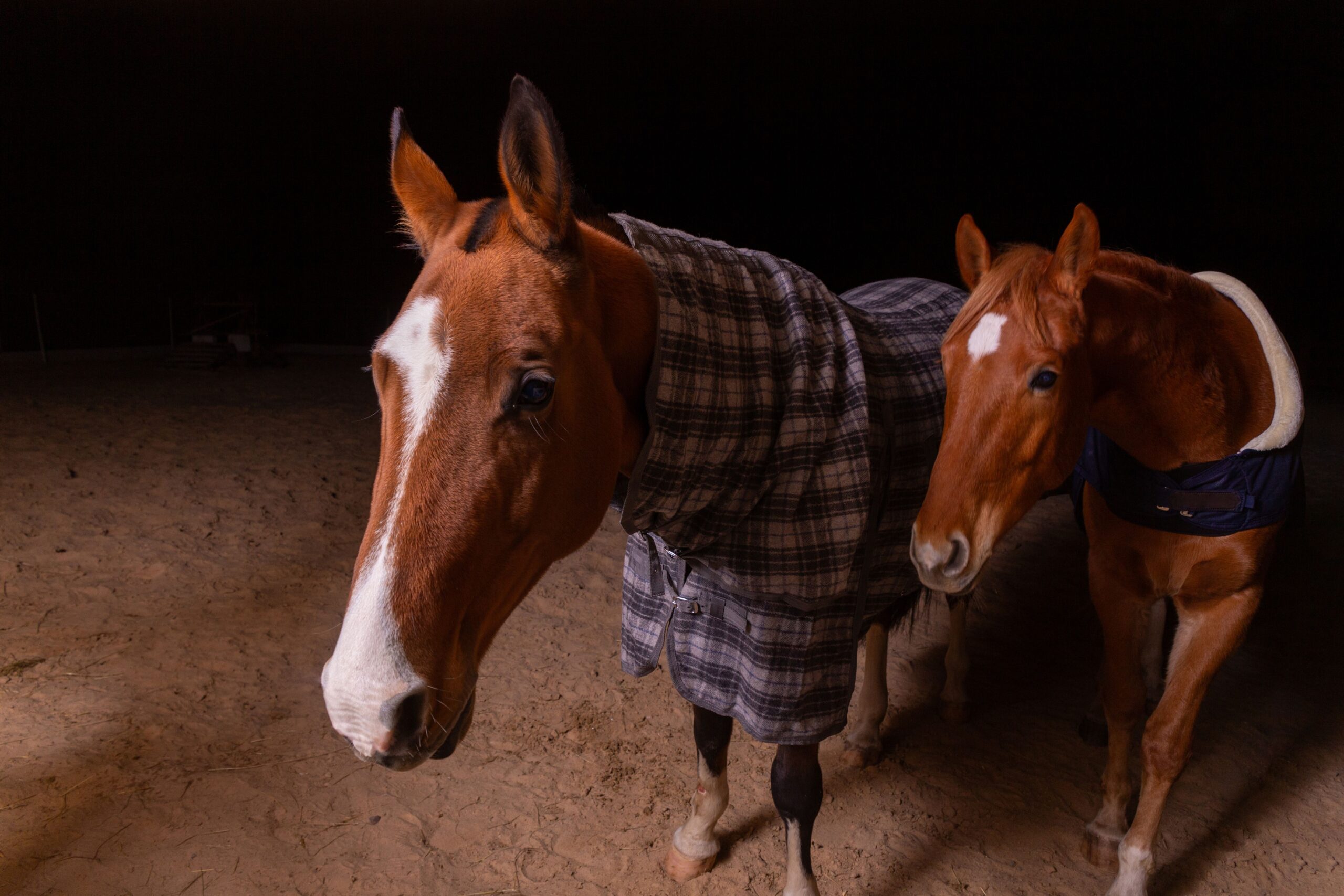
This is not an argument for neglect, and the line between the two is the whole point. Less rugging for a good-doing native type with a shelter and a thick coat, full rugging for a clipped veteran who has lost his own insulation. Less brushing for a horse living out through winter. A proper strapping groom for one stabled and rugged. Fewer wormers, chosen on the back of a test. A carefully timed dose for encysted small redworm that no test can see.
The skill is matching the intervention to the specific horse standing in front of you. Applied honestly, that usually means doing less to most horses, and more, promptly and without hesitation, for a particular few.
The cost of “more”
Over-intervening is rarely a disaster on any single day, which is exactly why it persists. The costs accumulate quietly. An over-rugged horse sweats, rubs, and hides the weight loss a coat already conceals. An over-groomed one goes into bad weather with its natural waterproofing brushed out. Over-supplementing wastes money and can unbalance an otherwise sound diet. Over-worming erodes the effectiveness of the handful of drugs we have left, and that bill comes due for the whole horse population, not just yours.
Set against that, the cost of doing less (on the right horse), is mostly the discomfort of watching it look a little rough around the edges next to the rugged, gleaming horse in the next field.
The harder discipline
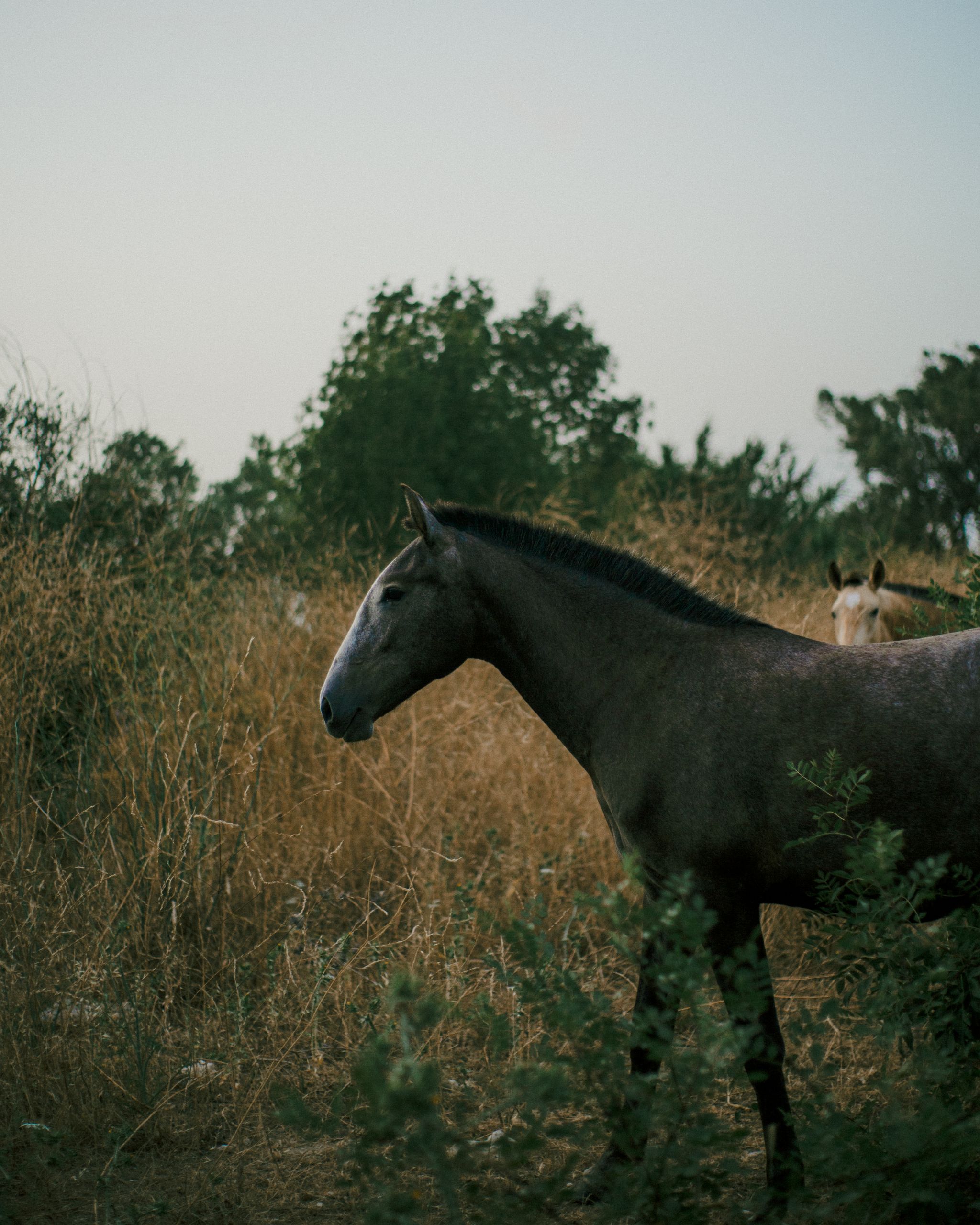
Doing less well takes more knowledge, not less. You have to know this horse’s normal (its coat, its behaviour, its droppings, its digital pulse, the way it stands), well enough to notice a real change early. You have to read the weather and the field rather than the calendar. And you have to hold your nerve against the yard consensus when your horse is the muddy, unclipped, unrugged one and someone asks, pointedly, whether it is cold.
That is a higher standard of horsemanship than following the schedule, not a lower one. The reward is a horse doing what a horse is built to do, and an owner who can tell (because they are actually watching), the difference between a horse that is fine and a horse that needs help.
The practical detail behind each point here (the temperatures, the timings, the specific exceptions), is set out in the individual guides linked below. Take decisions for your own horse with your vet, farrier and saddle fitter, especially for any horse that is old, clipped, underweight or unwell.
The well-kept horse is not the one with the most done to it. It is the one whose owner knows which few things to do, and does them.
- Across rugs, coats, feeding, feet and worming, current guidance keeps landing on “less than you think, and less often.”
- The urge to do more comes from reasoning from our own comfort, acting on what is visible, and the reassurance of buying a product.
- “Less” is not neglect, it is matching the intervention to the individual horse, which means less for most and prompt, decisive more for a few.
- The costs of over-intervening (sweating, stripped coats, unbalanced diets, wormer resistance), are small daily and large cumulatively.
- Doing less well demands more knowledge and more nerve than following a schedule. It is the higher standard, not the lower.
Opinion and general editorial guidance, not veterinary advice. Every horse is an individual. Take decisions with your own vet and farrier.
Rug Season Timeline: What to Do, and When
How to Prepare Your Horse for the Colder Months