Bridles and Bits: What the Parts Do and How to Choose
A bridle is six straps and a piece of metal. Which six, and which metal, is the whole question.
Most riders inherit a bridle with the horse and a bit with the bridle, and never look at either again. This guide explains what each part of a bridle does, what the noseband and the anatomical cut are for, how a snaffle works in the mouth and how to measure for a bit, so that the next purchase is a decision rather than a habit.
A well-fitted snaffle bridle with a plain or anatomical noseband and a double-jointed snaffle in the right width suits most horses in most work.
Fit and condition matter more than brand. A bridle that rubs or a bit that pinches is wrong at any price.
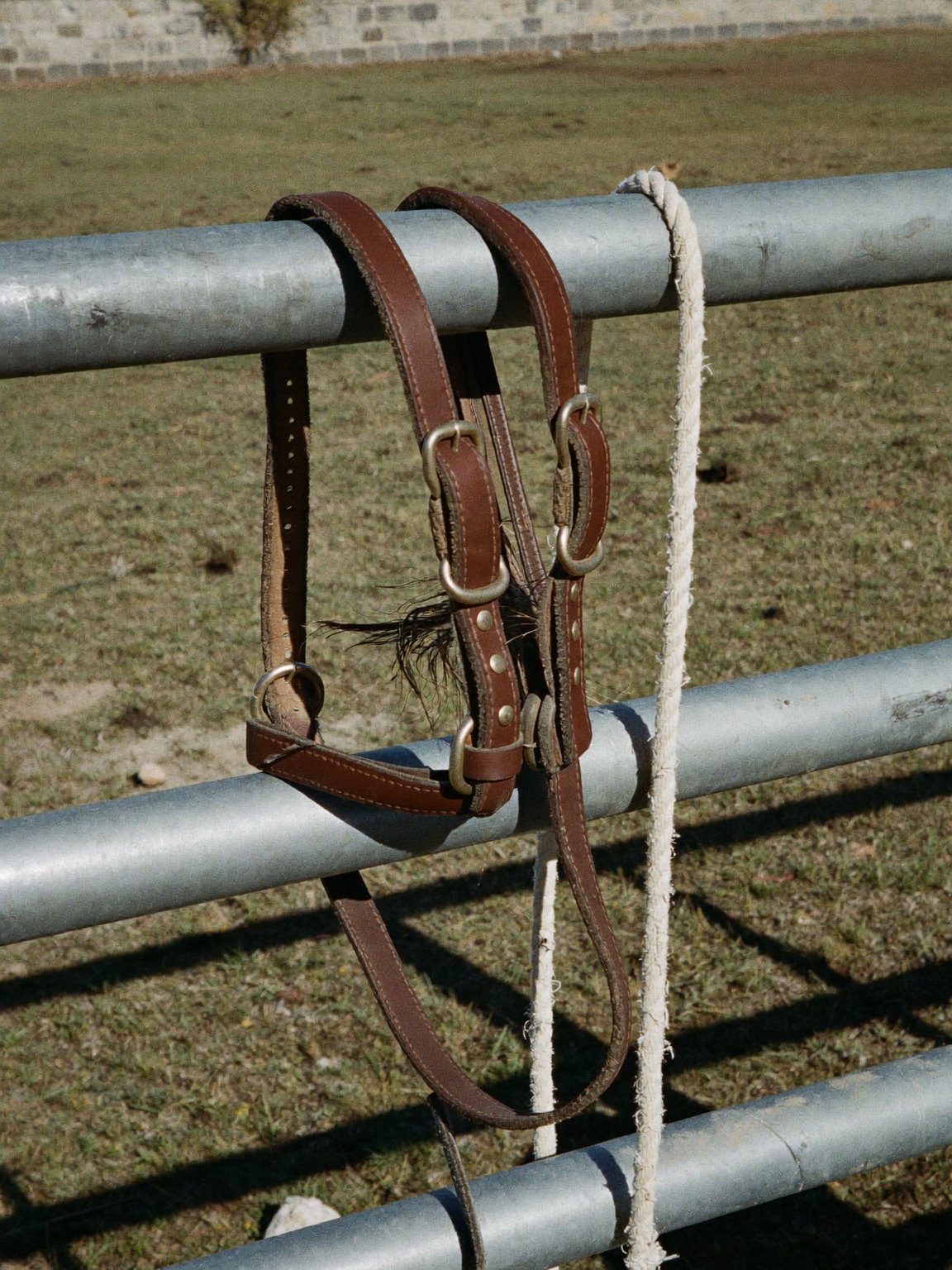
A bridle carries the bit, and the bit carries the conversation between your hands and the horse’s mouth. Everything else, from the browband to the noseband, is there to hold those two things in place comfortably. Once you see it that way, the choices become simpler: does this strap do a job, does it fit, and does the horse look comfortable in it.
The parts of a bridle
A snaffle bridle has a headpiece that sits behind the ears, a browband that stops it sliding back, two cheekpieces that hold the bit, a throatlash that keeps the bridle from coming off over the ears, a noseband, and reins. The headpiece carries the weight and is the part where padding and shaping matter most, because the poll is sensitive. The cheekpieces set the height of the bit: the classic check is one to two small wrinkles at the corner of the mouth for a jointed snaffle, adjusted so the bit neither hangs against the teeth nor pulls the lips up. The throatlash should allow a hand’s width between strap and jaw. A browband that is too short pulls the headpiece into the ears, which is one of the commonest causes of head-shaking in a bridle that otherwise fits.
- Headpiece sits flat behind the ears with no pressure on the ear base
- Browband clears the ears. A finger fits under it comfortably
- Bit at the corners of the mouth with one to two wrinkles, level on both sides
- Throatlash: a hand’s width between strap and jaw
- Noseband two fingers below the cheekbone and two fingers’ room under it
Nosebands and what they are for
A cavesson is a plain strap around the nose, sitting two fingers below the cheekbone. On its own it does little more than complete the picture, and for many horses that is enough. A flash adds a lower strap below the bit to discourage the horse from opening its mouth. A drop noseband sits lower on its own. A grackle or figure-eight crosses over the nose and is common in jumping. All of these work by limiting how far the mouth opens, and all of them can be done up too tight. The widely taught rule is two fingers’ room under the noseband at the front of the nose, and the FEI now uses a standard measuring device at competitions to check it. A noseband that is tightened to hide a problem is a sign to look for the problem, usually in the teeth, the bit or the rider’s hand.
A noseband holds the bridle still. It is not there to hold the mouth shut.
The anatomical bridle
Anatomical or ergonomic bridles change the shape of the straps rather than the number of them: a headpiece cut away around the ears and padded at the poll, a browband curved to clear the ears, cheekpieces and nosebands shaped to avoid the cheekbones and the facial nerves that run under the skin there, and often a single strap doing the work of two buckles. The Micklem design goes further and reshapes the whole bridle around the skull, sitting the noseband in a different place from a cavesson. None of this replaces fit. A badly adjusted anatomical bridle presses in the same places a badly adjusted plain one does. What it offers is more room for a horse that objects to pressure at the poll or the cheek, and a cleaner look for those who like one.
 Horseware IrelandMicklem Competition BridleThe competition version of the Micklem, designed to avoid the sensitive areas of the head.View at TRI Equestrian →
 SchockemöhleEquitus Alpha BridleAnatomic alignment that avoids the main facial nerve and the large blood vessels.View at TRI Equestrian →
 VelocitiGARA Plain BridleThe plain cavesson bridle, for the horse that goes contentedly in one.View at TRI Equestrian →
How a snaffle works
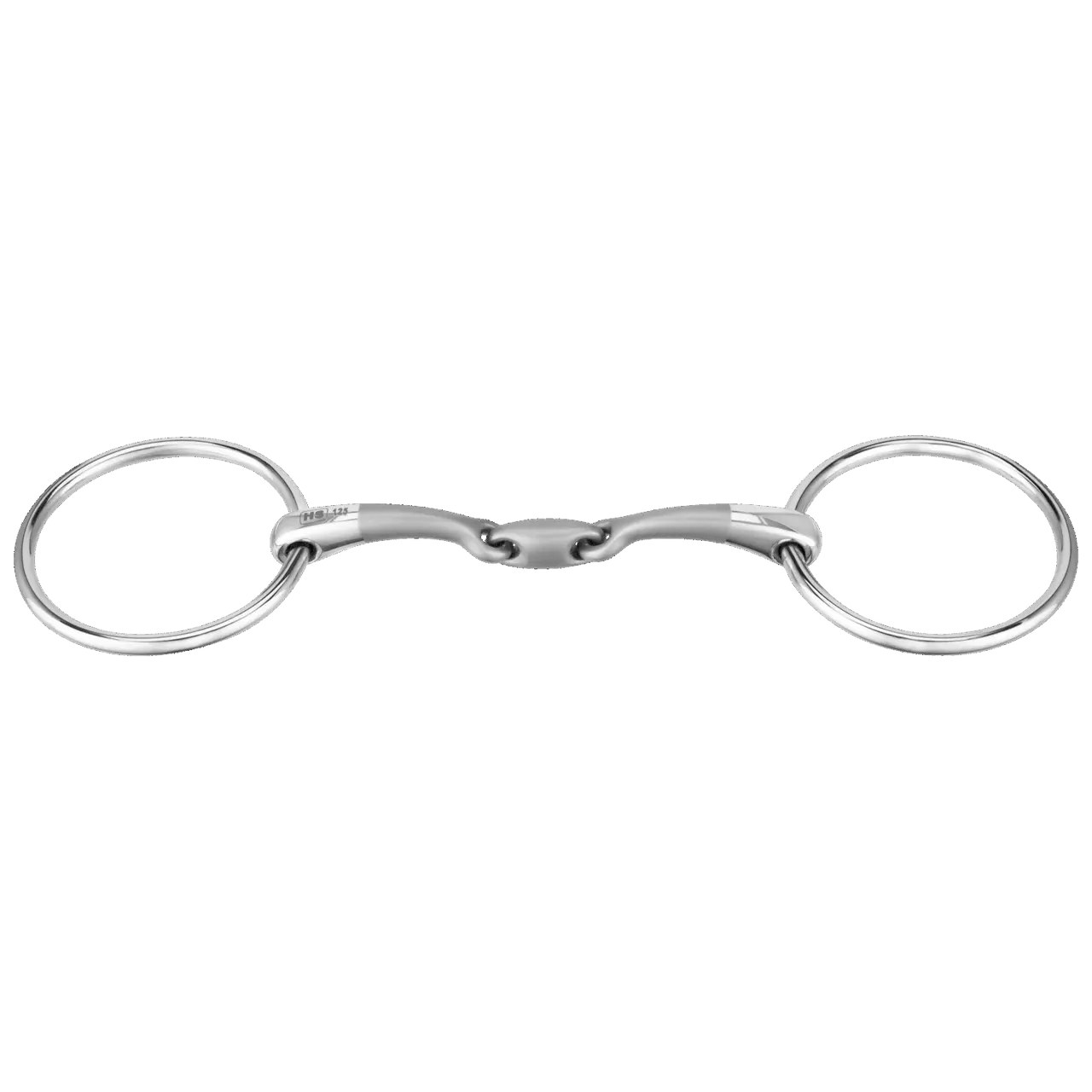
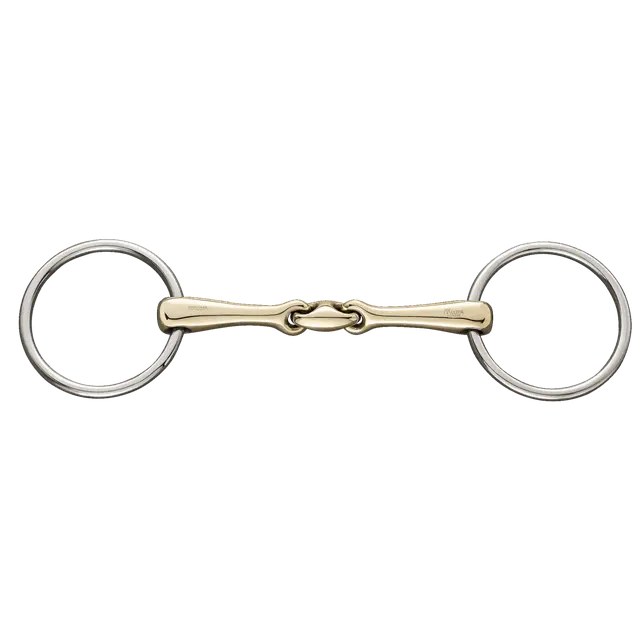
A snaffle acts directly on the mouth without leverage: a pound of pressure on the reins is a pound at the bit. Where that pressure lands depends on the mouthpiece and the rings. A single-jointed mouthpiece folds in the middle and can press the joint into the roof of the mouth and squeeze the bars. A double-jointed mouthpiece with a central link or lozenge lies flatter over the tongue and spreads the pressure, which is why it is the common first choice today. Loose rings let the mouthpiece move freely and are lively in the hand. Eggbutt and D-rings hold it still and are steadier for a young horse or a strong one. The thickness and the metal are the fine tuning: a 14 to 16 millimetre mouthpiece suits most mouths, and alloys such as Sprenger’s Sensogan are made to encourage a horse to mouth the bit and soften. A bit is not a brake. If a horse is too strong in a snaffle, the answer is usually schooling and teeth before it is a stronger bit.
- Single joint: folds in the middle, more pressure on the bars and palate
- Double joint or lozenge: lies flatter on the tongue, spreads pressure
- Loose ring: mobile and light in the hand. Needs a slightly wider fit
- Eggbutt or D-ring: fixed, steadier, sits closer to the lips
Measuring for a bit
Bit size is the width of the mouthpiece between the rings, given in millimetres or inches. Measure the horse: a piece of string or a bit-measuring stick held across the mouth where the bit sits, then read the width. A loose-ring snaffle should be about half a centimetre wider than the mouth on each side so the rings do not pinch the lips. An eggbutt or D-ring fits closer, with the cheeks just touching. Too narrow pinches. Too wide slides sideways and lets the joint hang low in the mouth. Sizes run roughly from 11.5 cm for ponies to 15 cm or more for large horses. The exact width is stated on every bit product page. If you change from a single to a double-jointed bit, re-check the size, because the extra link changes how the mouthpiece sits.
Reins, sizing and care
Reins are chosen by hand and by weather. Plain leather is traditional and slips when wet. Rubber-covered or rubber-lined reins grip in rain and sweat, which in a Mallorca summer means most days. Webbing with stops is light and gives a fixed contact. Bridles come in pony, cob, full and extra-full, but the names are not standard between makers, so check the measurements on the product page against your horse. Leather needs cleaning after sweat, which is corrosive, and conditioning every few weeks. Check stitching, hook studs and the holes you use every time you tack up. A bit is rinsed after every ride and checked for wear at the joint and the rings. Anything that has stretched, cracked or worn thin is replaced, not repaired, because reins and cheekpieces are what you are holding when something goes wrong.
Fit first, then the mouthpiece, then the leather. A bridle bought in that order tends to be bought once.
Fit the bridle you have before you replace it. If you do replace it, a well-cut snaffle bridle with a plain or anatomical noseband and a correctly measured double-jointed snaffle will suit most horses. Change the bit only after teeth and schooling have been ruled out.
General editorial guidance, based on federation tack rules, standard bitting advice and manufacturers’ published product information. A horse that resists the bit persistently should have its teeth checked by a vet or equine dentist before any change of equipment.