Farrier Visit Checklist
Before, during and after the six-week appointment, so the farrier’s hour is spent on the feet and not on catching the horse.
On Mallorca a farrier’s visit is often a week’s wait, so a wasted one costs more than the fee. What to have ready the day before, what to tell the farrier while the foot is in their hands, what to ask, and what to do in the week after. Print it and keep it with the farrier’s number.
Keep the farrier cycle at six weeks through the wet season; stretched to eight, the feet lose shoes and the white line opens.
Write the date, what was done and anything the farrier said in a notebook that lives at the yard. The next appointment starts from it.
The Day Before
- ✓Appointment confirmed, time and which horses, by message the evening before
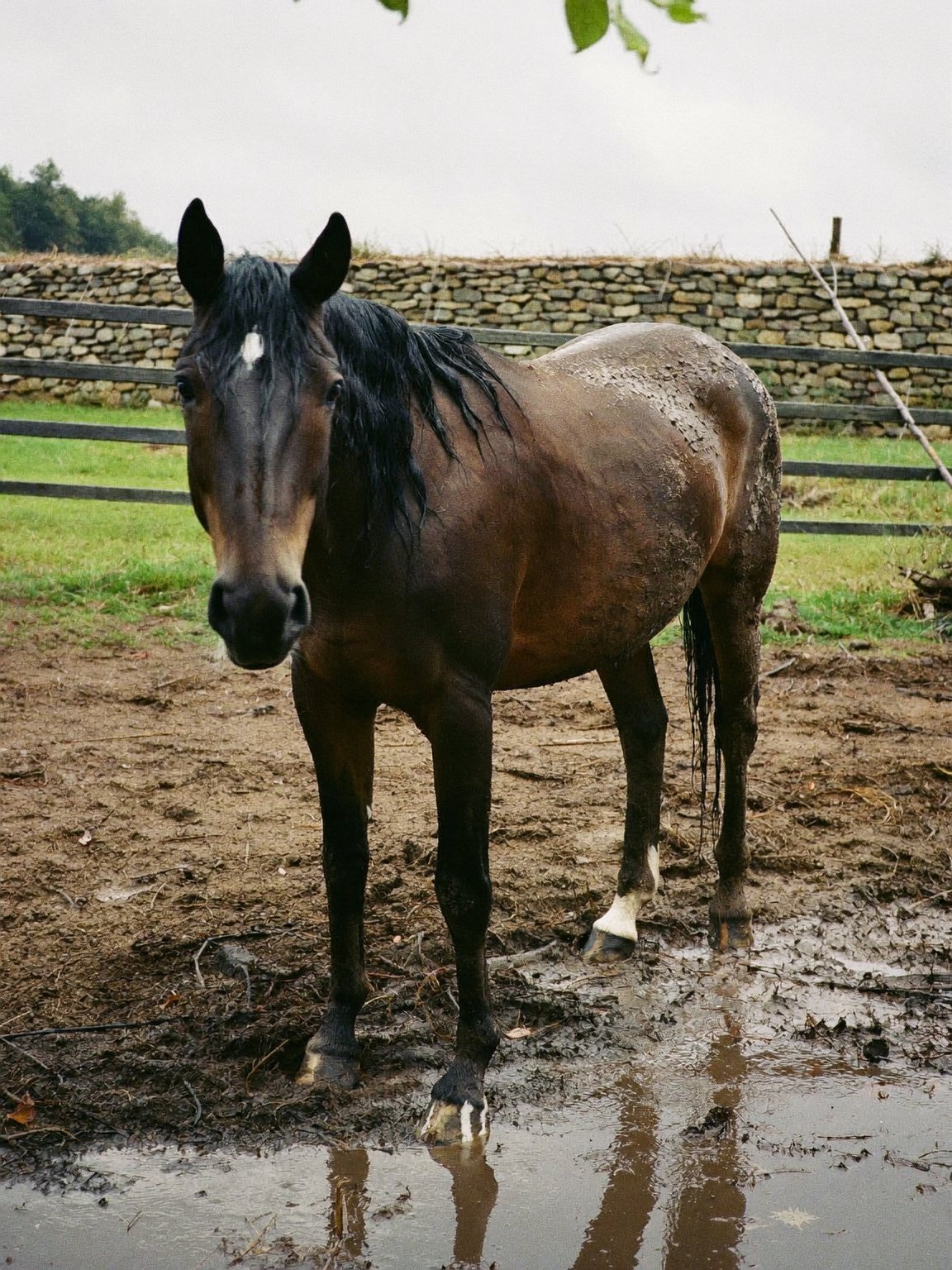
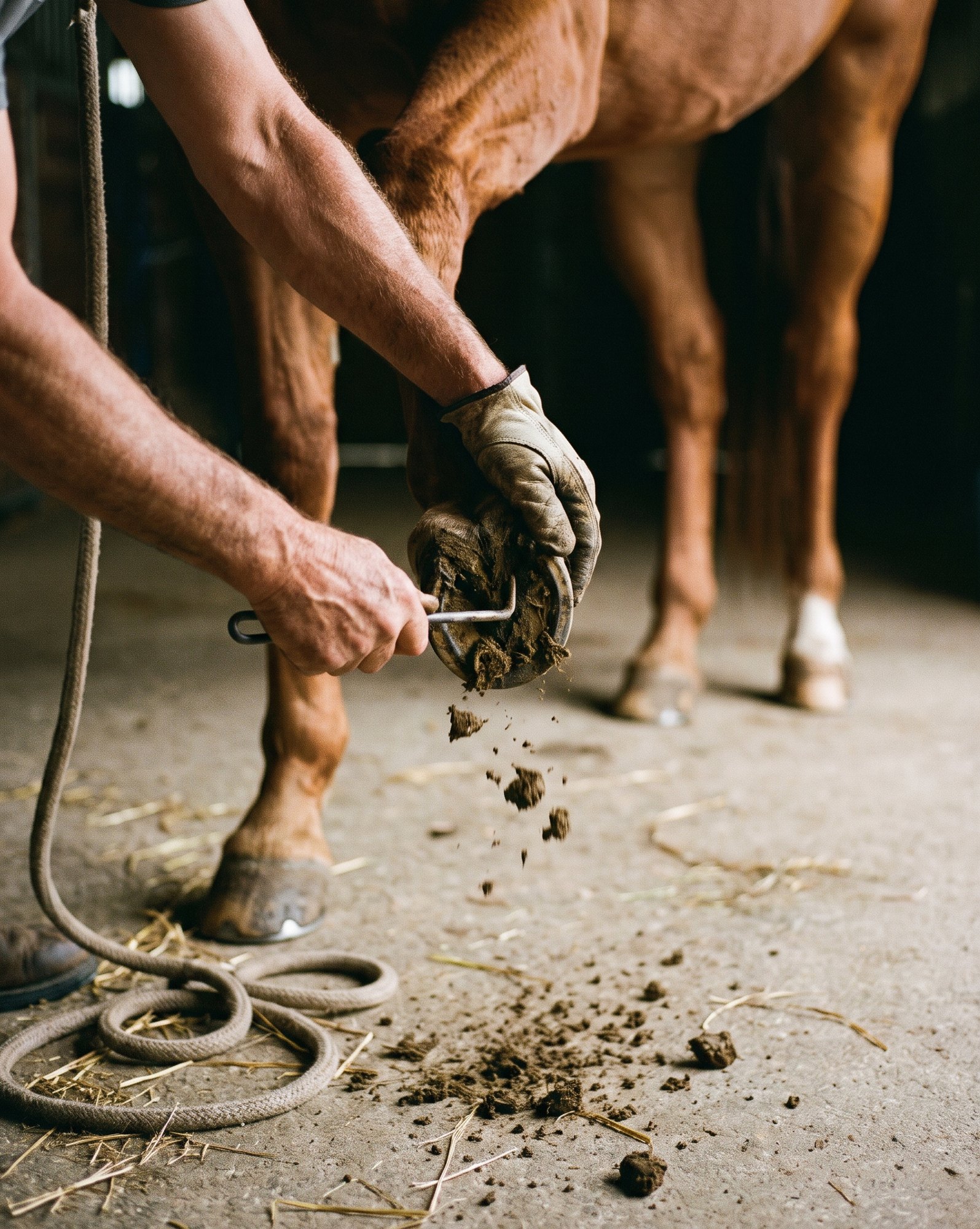
- ✓Feet picked out and legs brushed dry so the farrier is not working through mud
- ✓Horse brought in or caught before the farrier arrives, not while they wait
- ✓A dry, level, lit place to work: hard standing or the aisle, not the field gate
- ✓Payment ready in the form the farrier takes
On the Day
- ✓Headcollar and a lead rope, and someone to hold the horse who knows it
- ✓Flies dealt with: repellent on in the warm months, a fly rug off
- ✓Other horses moved away from the working area, dogs shut in
- ✓Water and shade for the farrier in the hot months; it is still 28 degrees in September
- ✓Phone silent, attention on the horse: a farrier under a horse needs the holder awake
Tell the Farrier
- ✓Any lameness, stumbling or shortness since the last visit, and on which leg
- ✓Lost or twisted shoes, and where the horse was when it happened
- ✓Changes in work: more roadwork, a new arena surface, a competition coming
- ✓The vet’s involvement, if any, and what was said about the feet
- ✓Heat, cracks, a black line at the white line or a soft spot you found picking out
Ask the Farrier
- ✓Is the foot balanced, and is anything changing from the last cycle
- ✓Does this horse need shoes, or a different shoe, for the work it does
- ✓How is the horn quality, and would a supplement change anything over the winter
- ✓Should the cycle be shorter through the wet months
- ✓Is there anything to watch for before the next visit
The Week After
- ✓A day or two of slight tenderness on hard ground can be normal after a trim; more than that, call
- ✓Shoes checked daily for a lifted heel or a loose clench
- ✓Feet picked out every evening, the white line looked at
- ✓Anything unusual written in the yard notebook with the date
- ✓The next appointment booked before the farrier leaves
A farrier’s hour is the most expensive hour on the yard. Have the horse caught, the feet clean and the questions written down.
Confirm, catch and clean before the farrier arrives; the appointment is for the feet.
Tell them what they cannot see: lameness, lost shoes, changes in work, what the vet said.
Six-week cycles through the wet season, feet picked every evening, next date booked before they leave.
General guidance for a routine farrier visit. Lameness, heat in a foot or a suspected puncture are for the vet and the farrier together, not a checklist.