What a Phone Sees: Gait Analysis Without the Sensors
If my horse was lame, I would see it. That is what most of us believe. The eye is good at obvious lameness and poor at small, consistent asymmetry, and the measurement now fits in a pocket.
Smartphone gait analysis films a horse trotting in a straight line and tracks anatomical points on the moving body in every frame, reporting movement asymmetry as numbers. The leading tool, the Swedish app Sleip, now tracks more than a hundred key points per frame and is validated against motion-capture systems with reflective markers; peer-reviewed validation of smartphone-based markerless gait analysis was published in 2026. What the tools measure, how a recording is made, what a number can and cannot tell you, and why a baseline while the horse is sound is the most useful recording you will ever make.
The number says how much. The vet says why. Record a baseline while the horse is sound and repeat the same recording after shoeing, after a break and during rehab; change over time is the signal.
What the tools measure
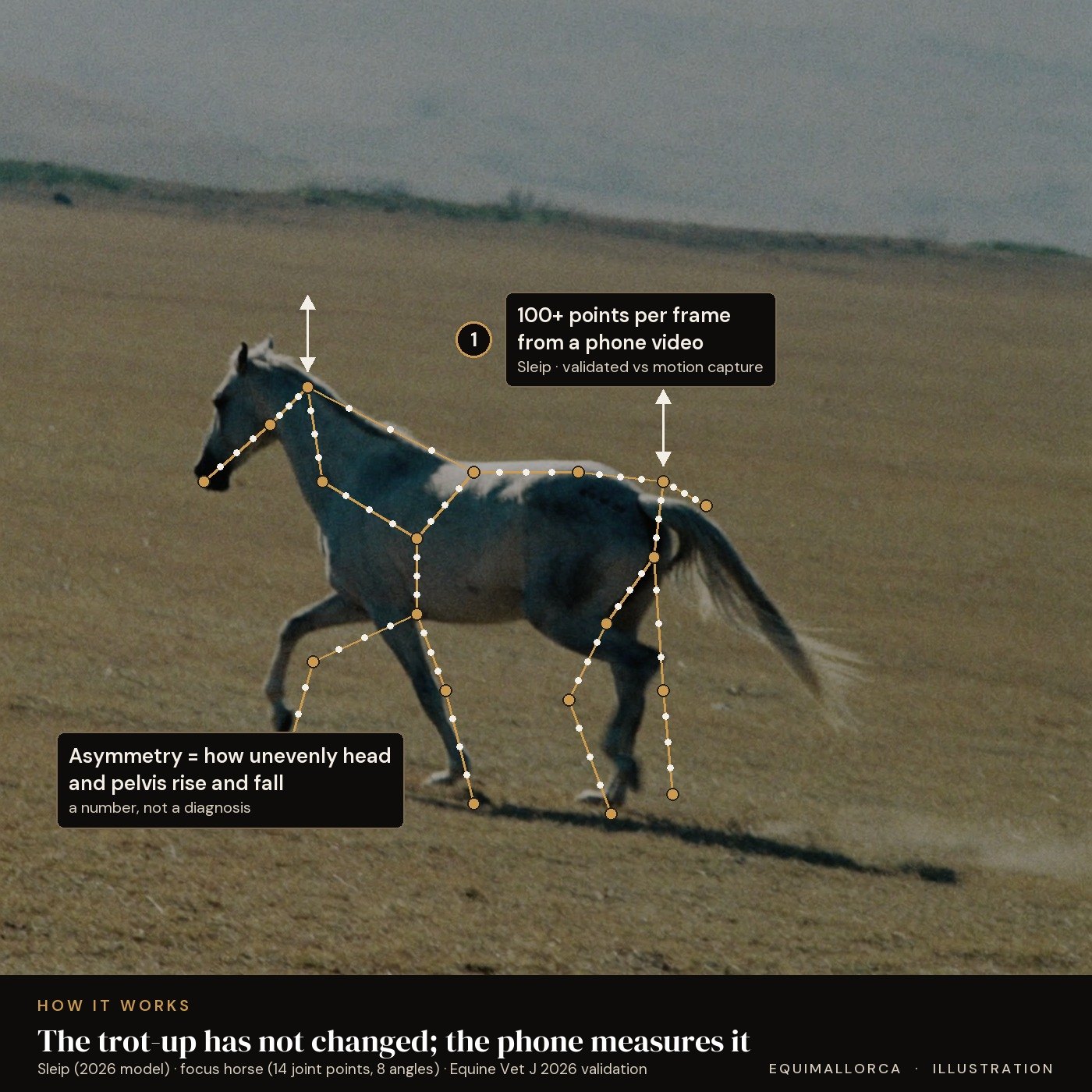
Lameness, at its simplest, is asymmetry: a horse that is sore on one leg loads it less, and the head and the pelvis move differently on that side. Veterinarians have measured that asymmetry for years with inertial sensors strapped to the poll, the pelvis and a foot. The smartphone tools do the same job from video. Computer vision finds anatomical landmarks on the horse in each frame, follows them through the stride and computes how evenly the head and the pelvis rise and fall from one side to the other.
Sleip, developed in Sweden and used in equine clinics and by vets serving national teams, describes its latest model as tracking more than a hundred anatomical key points per frame, up from twenty or thirty. The German app focus horse records fourteen joint points and eight angles. Both report asymmetry as figures a vet can compare across visits, and both claim to detect irregularities the eye does not see. Sleip’s technology is validated against a motion-capture system with reflective markers, the laboratory standard.
How a recording is made
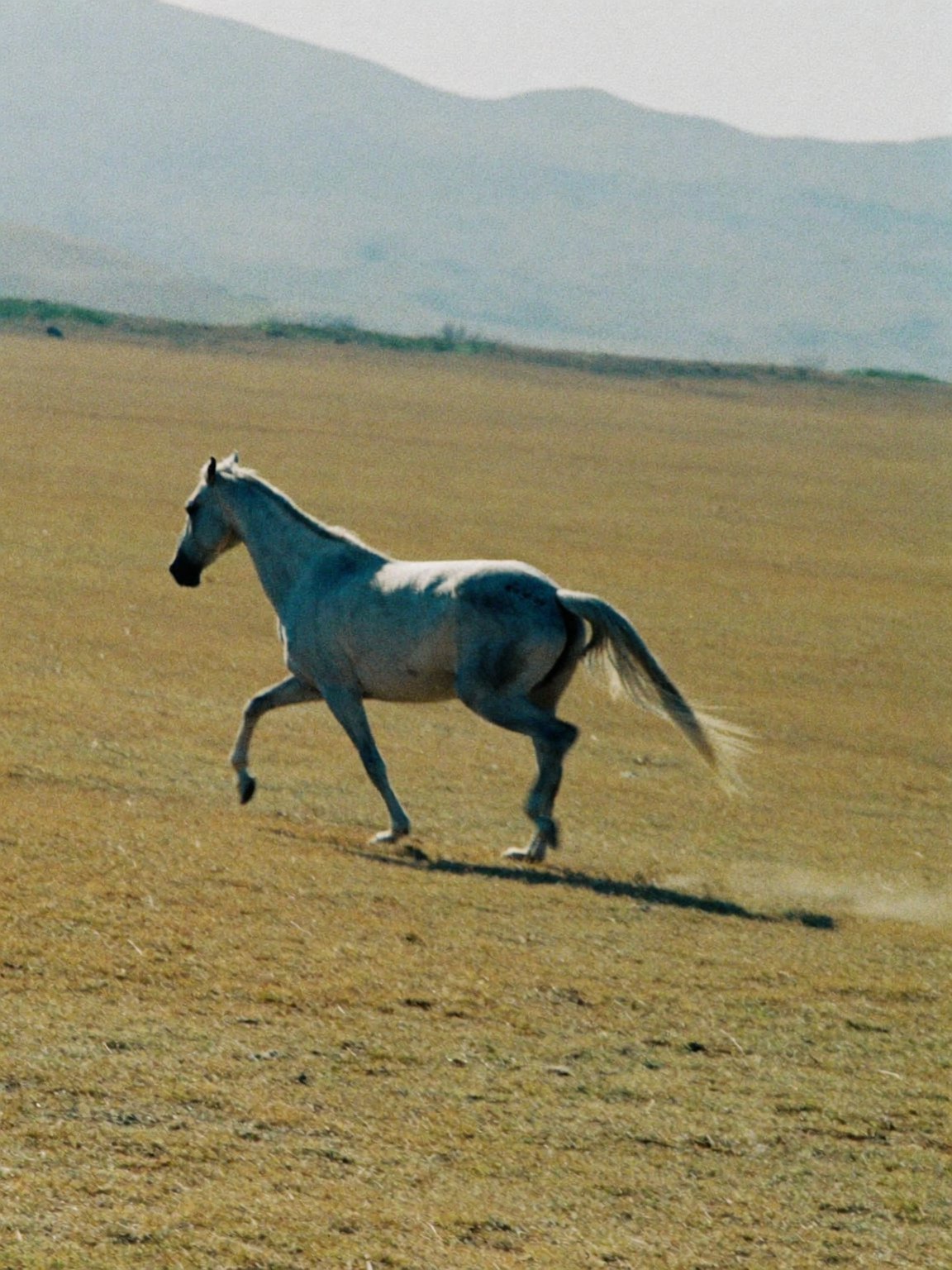
The horse trots in hand in a straight line on firm, even ground, away from the phone and back towards it, with the phone held still at the height a vet would watch from. That is the same trot-up a vet uses in a lameness exam; the difference is that the phone measures it. Some tools add the lunge on a circle, which loads the inside and outside legs differently and can reveal what the straight line hides.
Good recordings need the same things a good trot-up needs: a level surface, a handler who lets the horse move freely on a loose lead, a steady trot rather than a rushed one, and enough strides for the software to average. A hard track behind the yard on Mallorca is better than a deep sand arena for this; the software wants a clean, regular footfall.
The trot-up has not changed. The phone measures what the vet was already watching.
- Sleip (Sweden) · iPhone app; over 100 anatomical key points per frame in the 2026 model; validated against marker-based motion capture; tiers for vets, care professionals and owners; subscription with free trial. Sleip
- focus horse (Germany) · smartphone app with AI gait analysis; 14 joint points and 8 angles recorded per analysis. focus horse
What the number cannot tell you
An asymmetry figure is a measurement, not a diagnosis. It says the head or the pelvis moves unevenly and by how much; it does not say whether the cause is the foot, a joint, the back, the saddle, the rider or the surface. Some asymmetry is normal: many sound horses move slightly unevenly and do so consistently, and a 2026 study of endurance horses in the Equine Veterinary Journal found that the software and the examining vets did not always agree on which horses were lame, which is a reason to read the number with a vet rather than instead of one.
The same applies to the reassuring result. A symmetrical trot-up on the day does not rule out a problem that shows only under saddle, on a circle or after work. The phone sees what it films.
The baseline habit
The most useful recording is the one made when nothing is wrong. A baseline trot-up of a sound horse, on the same track, with the same handler, gives every later recording something to be compared with. After shoeing, after a break, on return from a summer off, during rehabilitation from an injury: the same recording again, and the change over time is the signal, far more than any single figure.
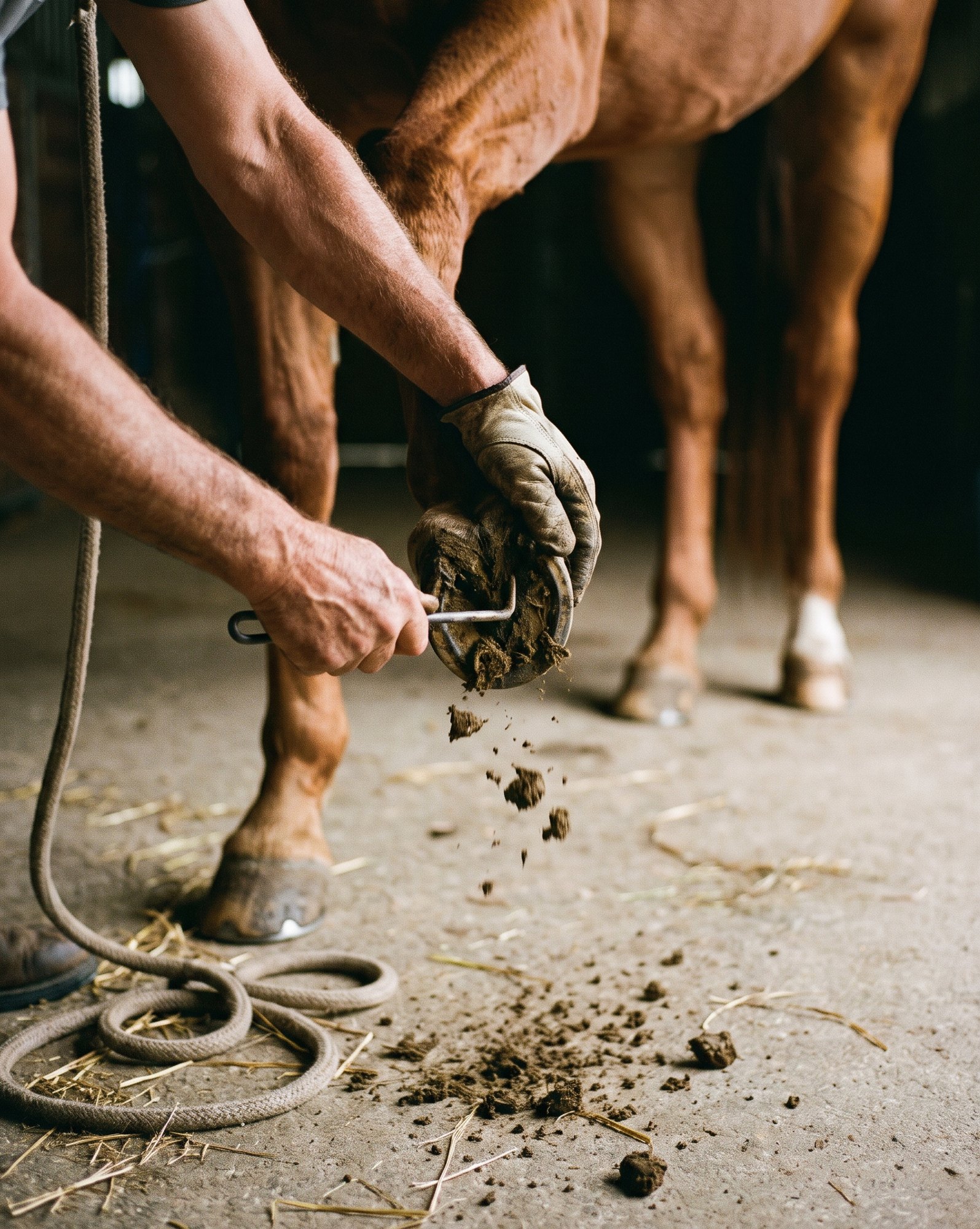
Farriers use it that way, comparing the trot before and after a trim to see what the foot has done. Physiotherapists use it to track a rehab programme. Owners use it to settle the question of whether the horse that feels different is moving differently, and to send the vet something better than a description.
A vet’s visit on the island can be a day’s wait. A baseline recording sent ahead lets the vet arrive with a question rather than a search, and a recording of a horse that has been off for three weeks is worth more than a memory of it.
Who uses it, and what it costs
The tools are built for professionals first: Sleip offers tiers for veterinary practices, for equine care professionals such as physiotherapists, chiropractors, trainers and farriers, and a remote tier that gives horse owners access. The apps run on a subscription with a free trial, and Sleip records on iPhone. focus horse runs as a smartphone app with an AI analysis tier. Prices and platforms change; the apps’ own pages carry the current terms.
For an owner on Mallorca the practical route is usually through the vet or the farrier who already uses one, who can make the baseline recording at the next visit and read the figure in context. The hoof and farrier articles below cover the other half of that conversation: what the foot does, and how often it needs to be seen.
Record the horse when nothing is wrong. Every later recording has something to be compared with.
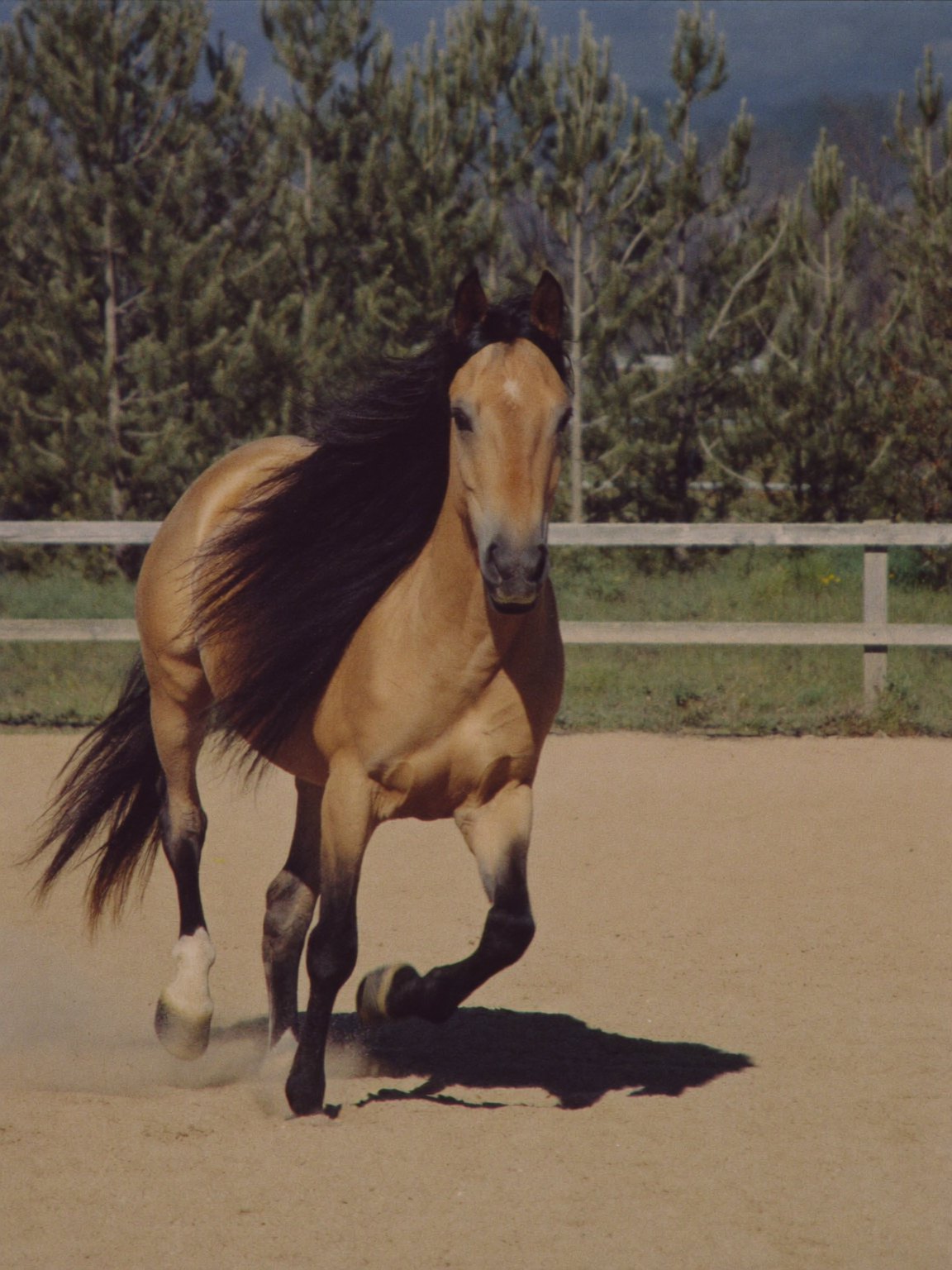
- Smartphone gait analysis tracks anatomical points on a trotting horse frame by frame and reports movement asymmetry of head and pelvis as numbers.
- Sleip tracks over a hundred key points per frame and is validated against marker-based motion capture; peer-reviewed smartphone validation was published in 2026.
- A recording is a straight-line trot in hand on firm, even ground, away from and towards a still phone; the same trot-up a vet uses.
- The number says how much, not why; some asymmetry is normal, and a symmetrical day does not rule out a problem under saddle.
- Record a baseline while the horse is sound and repeat it after shoeing, after a break and in rehab; change over time is the signal.
General editorial guidance, not veterinary advice. Gait-analysis figures are measurements to be read with a vet; a horse that is lame, or that has changed in its movement, needs a veterinary examination.