The Autumn Coat Change: What Happens, What to Do, and What to Leave Alone
The winter coat arrives with the daylight, not the weather. On Mallorca that means it comes in while it is still hot.
Every autumn the same questions: why is the horse shedding in September, why is it sweating so much under the new coat, is it time to clip, does it need something in the feed. Most of the answers are simpler than the products suggest. What the coat change actually is, how it runs in a Mediterranean autumn, and the small amount of grooming, management and watching that helps.
The coat is on a daylight clock. Groom for the hair, manage for the sweat, clip only for the work, and let the vet judge a coat that will not shed.
A daylight clock, not a thermometer
The horse’s coat is governed by photoperiod: the shortening days after midsummer signal the skin to shed the short summer hair and grow the longer, denser winter coat, and the lengthening days after the winter solstice reverse it. Temperature fine-tunes the process, but it does not start it. That is why a horse standing in 28°C heat in September is already growing a winter coat, and why the same horse in a cold snap in June does not.
The change is gradual. The new coat comes through underneath while the old one loosens, so for several weeks in early autumn the horse carries both: dull, loose summer hair on top of a thicker, often darker layer that is still filling in. The whole shift typically runs across six to eight weeks and is largely complete by the time the nights are genuinely cool. Where the horse lives, its breed, age and whether it has been rugged or under lights all move the timing by a few weeks.
How it runs on Mallorca
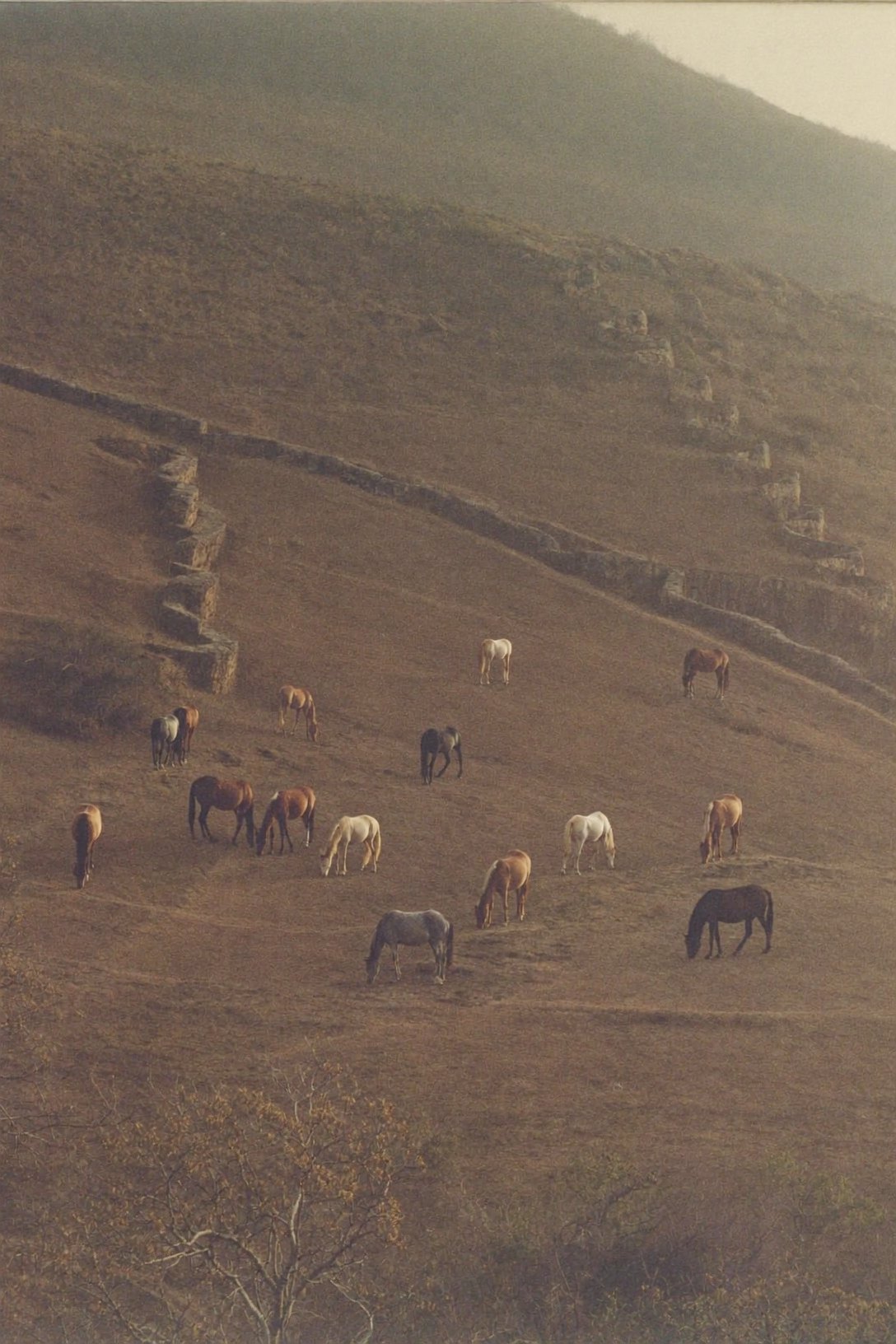
On the island the change starts on the same daylight schedule as everywhere else, from late August into September, but the weather it meets is different. Daytime highs stay in the mid to high twenties well into October, so the horse is growing insulation it will not need for another two months. The practical consequences are a horse that sweats more in work than it did in August, a coat that dries slowly after that sweat, and a dull, patchy look that worries owners in their first island autumn and is entirely normal.
The other island-specific factor is dust and salt. A dry, dusty yard through September grinds into a loosening coat, and sea air leaves a residue on it, so the horse looks worse than a northern horse at the same stage even when the skin underneath is perfectly healthy. The first October rain usually changes that overnight, and by November, with the winter coat through and the air damp, most horses look their best of the year.
The horse is building a winter coat in summer weather. Everything that follows comes from that mismatch.
Grooming through the change
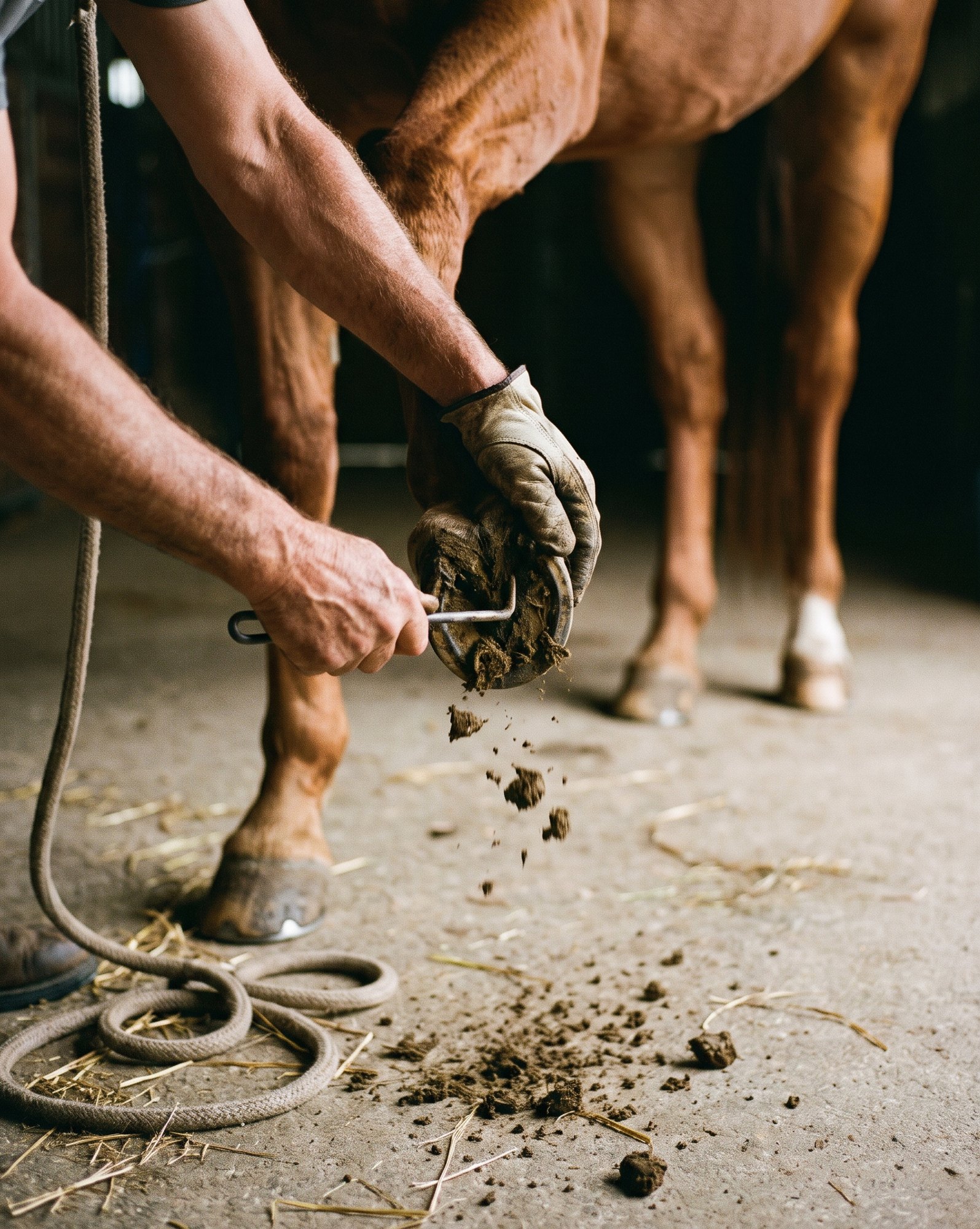
Grooming does not speed the coat change up, but it does make the weeks it takes more comfortable for the horse and considerably tidier for the owner. The tool that does the real work is a rubber curry comb or a grooming mitt used in circles over the whole body: it lifts the loosening summer hair, brings the skin’s own oil to the surface and gives you a daily hands-on check of condition. A shedding blade or a dedicated shedding tool takes the bulk off a heavy coat faster. Used lightly, it is a time-saver, used hard, it scrapes skin. Follow with a body brush to lay the coat flat.
Two habits matter more here than in a wetter climate. First, sweat: a horse that has worked in a half-grown coat needs the sweat dried and the salt brushed out, or the coat mats and the skin underneath becomes sore. Rinse or sponge the saddle and girth area, scrape, and let the horse dry in the shade before it rolls in dust. Second, washing: a full bath with shampoo strips the oil the new coat needs, so keep shampoo for a genuinely dirty horse and rely on water, a sweat scraper and a cloth for the routine.
Feet and mane and tail are the same as any other month, with one caution: the loose hair and dust of the change collect under the mane and around the dock, so those are the places to check for rubs and the first signs of skin irritation.
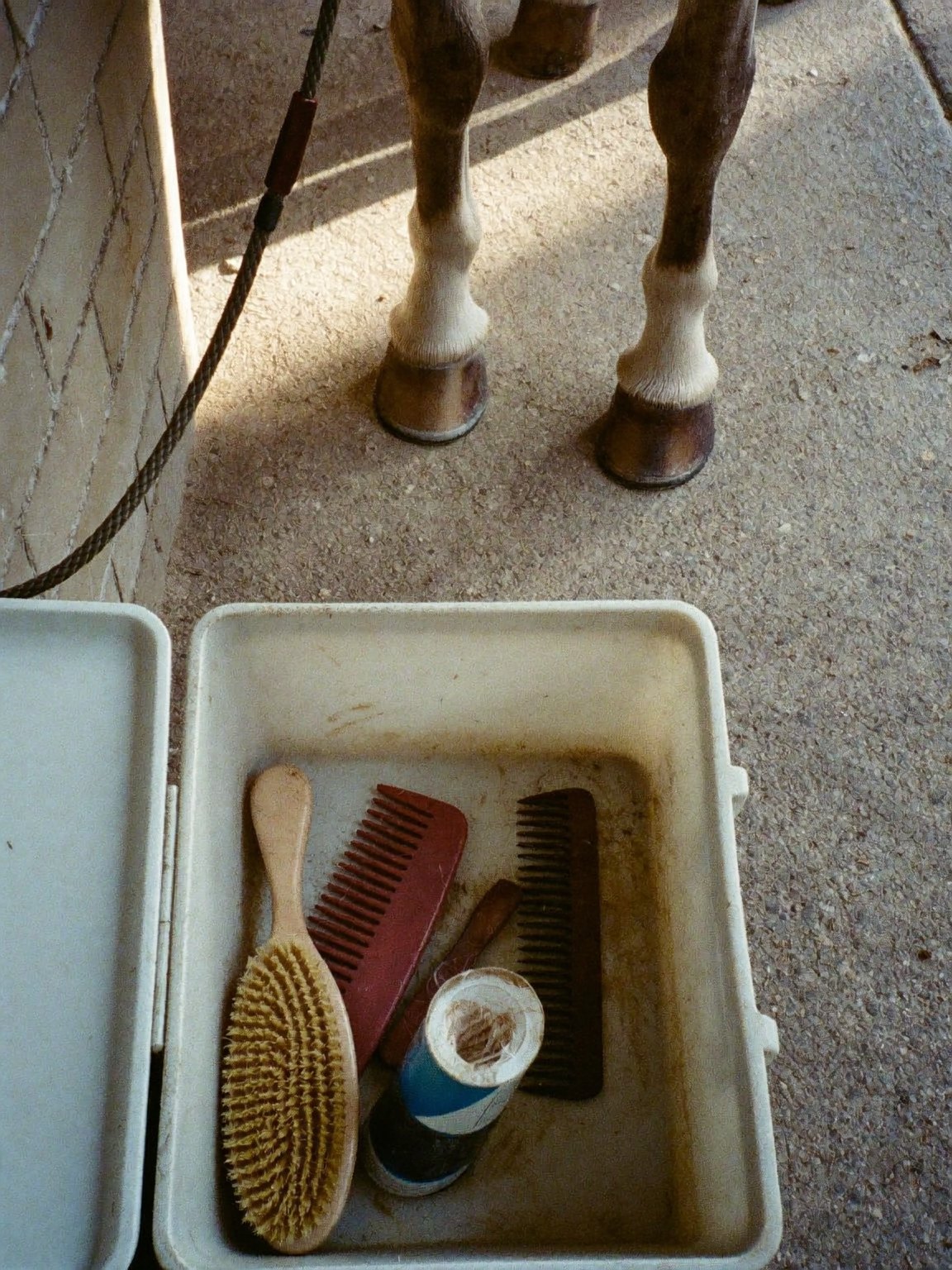
A rubber curry or mitt, a shedding tool used gently, a body brush, a sweat scraper and two cloths. Everything else is optional. The grooming guide linked below covers the rest of the kit and why most of it stays in the box.
Sweat, coolers and the clip question
A horse in regular work through a Mallorca autumn will sweat under its new coat, and a wet coat in a breeze is how horses get chilled even in mild weather. The first answer is management: ride early or late, walk the horse dry, and use a cooler or a wicking rug for the twenty minutes after work when the coat is wet and the sun has gone. A cooler is the one rug that earns its place in September, well before any turnout rug does.
The second answer is the clip, and here the northern advice needs adjusting. In a cold climate a full clip is a way of letting a horse in hard work sweat and dry quickly through the winter, and the rug then replaces the coat. On the island the case is weaker because the winter is mild and the horse’s own coat, once through, is rarely too much for it. A partial clip, a bib or a trace clip that takes hair off the chest, neck and belly where the horse sweats most and leaves the back and loins covered, is the usual compromise for a horse in daily work here. Horses in light work, retired horses and youngsters generally do best left alone.
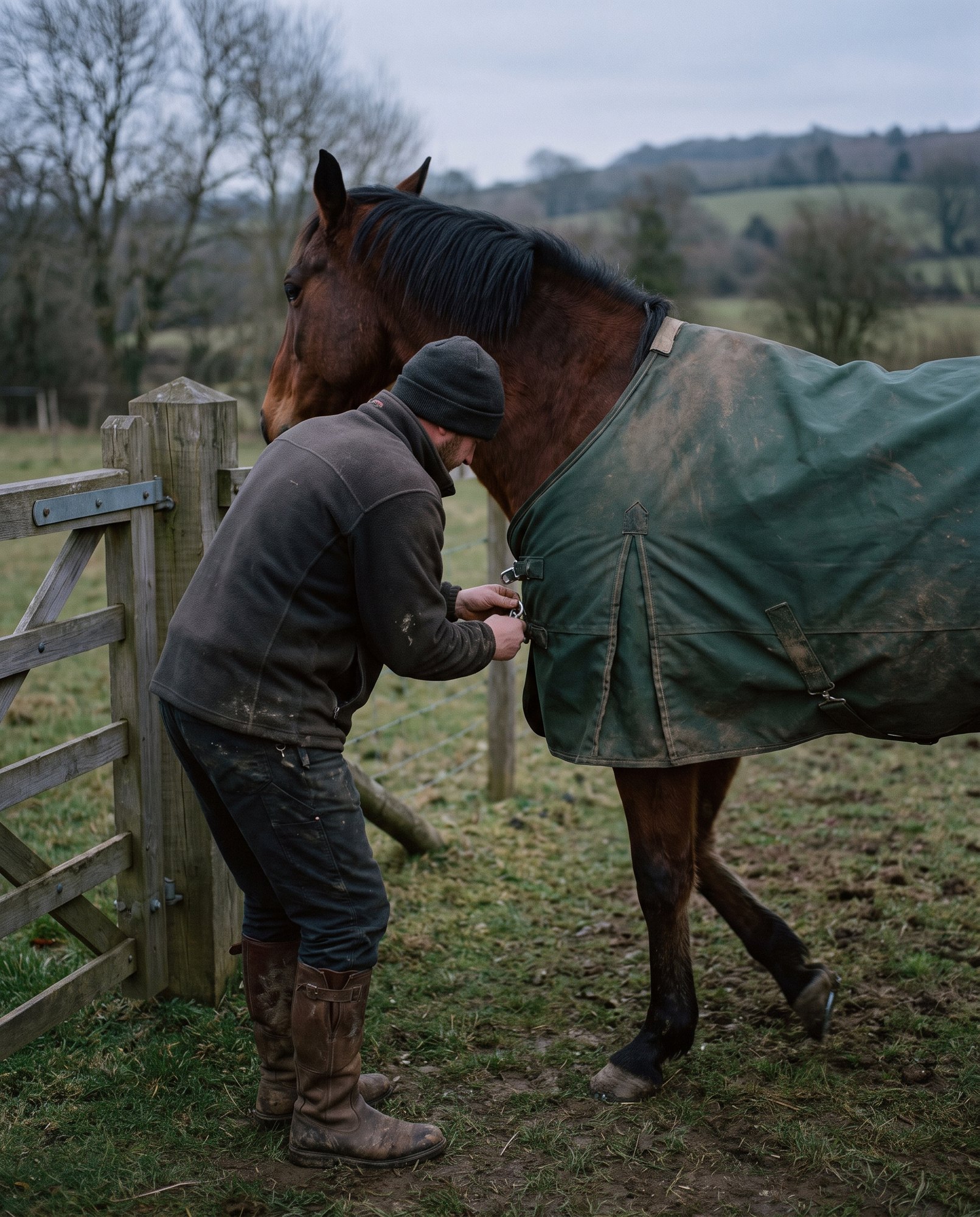
If the horse is clipped, the coat change stops being the horse’s problem and becomes the owner’s: a clipped horse is a rugged horse from the first cool, wet night, which is exactly the point at which the rugging temperature table in the turnout guide starts to apply.
Feed, condition and the supplement shelf
Growing a winter coat costs the horse something, but not much, and a horse on good forage with a balancer for the mineral gaps covers it without a change of feed. The coat change is, however, a good moment to check condition properly, by hand along the ribs, the neck and the top of the tail, because the thickening coat hides weight loss and weight gain equally well for the next six months. A horse that is losing condition under the new coat is telling you about forage, teeth or worms, not about hair.
The supplement shelf offers oils, biotin and ‘coat and shine’ products for every autumn, and the honest position is that a healthy horse on adequate forage and a balancer does not need them to grow a normal winter coat. A dull coat is usually a grooming, sweat or condition question first. Where a specific horse has a specific need, that is a conversation with your vet or a qualified nutritionist, and EquiMallorca makes no health claims about any product.
After the first October rains the grass comes back green on the island in a way it does not further north. For good doers and laminitis-prone horses that is not a low-risk feed, and the coat change is not the reason to increase intake.
When the coat is telling you something
A normal coat change is untidy but symmetrical: the horse looks dull and moth-eaten for a few weeks, then even and thick. What is not normal is a coat that does not shed at all, or that grows unusually long, thick or wavy, or that changes on one part of the body and not another, or that comes with weight loss, a pot belly, unusual sweating or repeated infections. An older horse whose winter coat lingers into late spring, or arrives early and heavy, is the classic case. These are patterns a vet should see, because a coat that will not follow the daylight clock can be a sign of a hormonal problem rather than a grooming one, and it is a straightforward thing to test for.
Short of that, the coat change is one of the few things in horse care that goes well with very little intervention. Groom for the hair, manage the sweat, clip only if the work demands it, check condition by hand, and let the light do the rest. By the time the island’s first properly cold night arrives, usually some way into December, the horse has been ready for weeks.
The horse is growing a winter coat in summer weather. Groom for the hair, manage the sweat, and let the daylight do the rest.
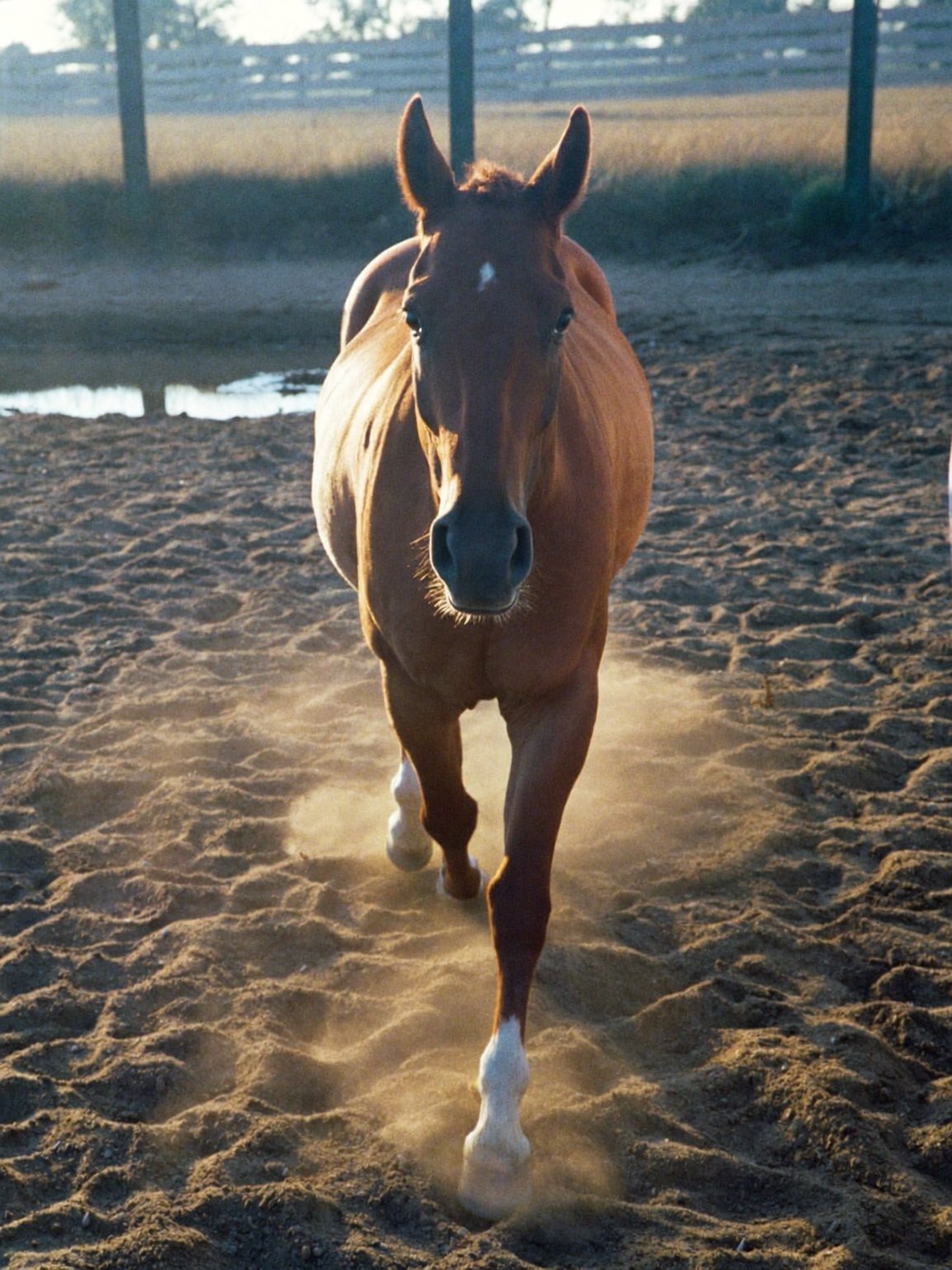
- The coat change is triggered by shortening days, not by cold. On Mallorca it starts in late August or September while the weather is still hot, and runs six to eight weeks.
- A rubber curry or mitt, a shedding tool used gently and a body brush do the work. Keep shampoo for a genuinely dirty horse and dry the sweat every time.
- Sweat under a half-grown coat is the real autumn problem here: ride early or late, walk dry, use a cooler. A partial clip suits a horse in daily work, a full clip rarely does.
- Good forage and a balancer cover a normal coat change. Check condition by hand before the coat hides it, and be sceptical of the coat-supplement shelf.
- A coat that will not shed, grows unusually long or changes unevenly is a vet question, not a grooming one.
General editorial guidance, not veterinary advice. A coat that does not change normally, weight loss or unusual sweating belong with your vet.